
 Membership
 Donate
 Shop
Shop



















A Life of Resilience, Love, and Legacy
The life and legacy of community leader Nancelia Elizabeth Scott Jackson, shared by her children.
Nancelia “Nancy” Elizabeth Scott Jackson’s life spanned nearly a century of great change, reflecting the important historical events that shaped America. Despite her small stature, she possessed a strong inner resilience that enabled her to navigate life’s challenges with grace. A committed figure in Denver’s Black community and North Cherry Creek, Nancy made a lasting impact with her brave, influential presence.
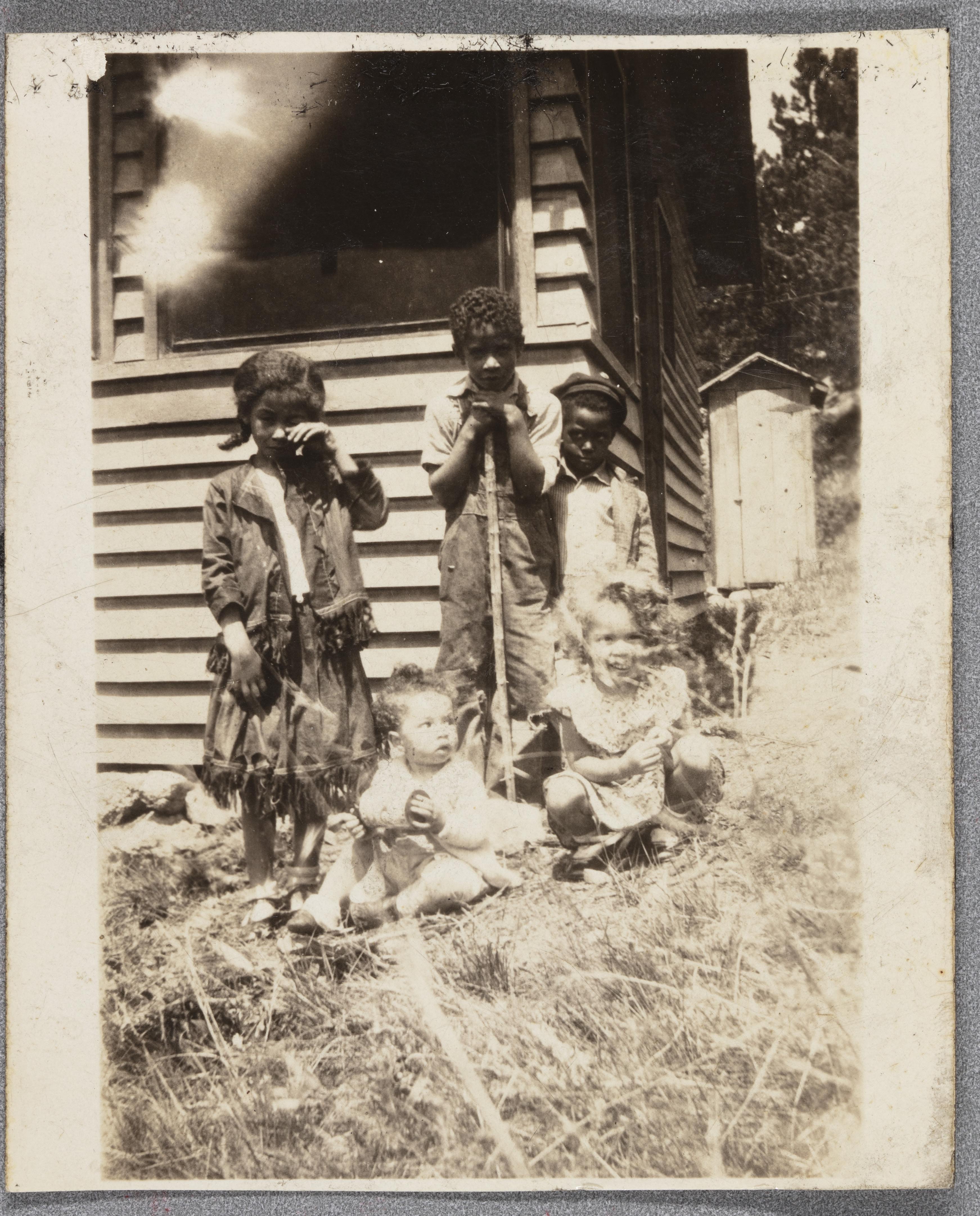
Nancy (left) with her siblings at the family’s Zephyr View cabin in Lincoln Hills.
On September 13, 2025, Lincoln Hills Cares proudly honored her family by officially renaming one of their properties the “Nancelia E. Scott Jackson Nizhoni Hotel in Lincoln Hills." This historic building once served as a camp home for Black girls attending Camp Nizhoni, a summer getaway located forty miles west of Denver.
In 1916, a group of women from Denver, Colorado, started a Phillis Wheatley branch of the YWCA. Named for Black poet Phillis Wheatley who lived in the 1700s, these branches were created to serve women of color who, as a result of many states’ laws, could not use the same quarters and facilities as white women.
In the 1920s, this Denver branch began sponsoring summer camps for the girls in the club, but they struggled to find places to send them. Black girls were not allowed to stay at the same campsites as white girls, ruling out most of the campsites already in use by the YWCA. But after Lincoln Hills was developed in 1922 as a mountain resort specifically catering to Black families, the Denver branch received an offer from the burgeoning destination: a parcel of land with two buildings on it, which they could use for their summer camps.
Out of these two buildings—one used as an administrative building, the other as a bunkhouse—they founded Camp Nizhoni. Derived from a Diné word meaning “beautiful,” it quickly gained popularity alongside Lincoln Hills. The resort, also home to Wink’s Panorama mountain lodge—which was declared a National Historic Landmark in December 2023—became a nationally-recognized safe travel destination for Black travelers. It was highlighted in Black newspapers and the famous Negro Motorist Green Book, which listed hotels and destinations that welcomed Black tourists and was first published in 1936.
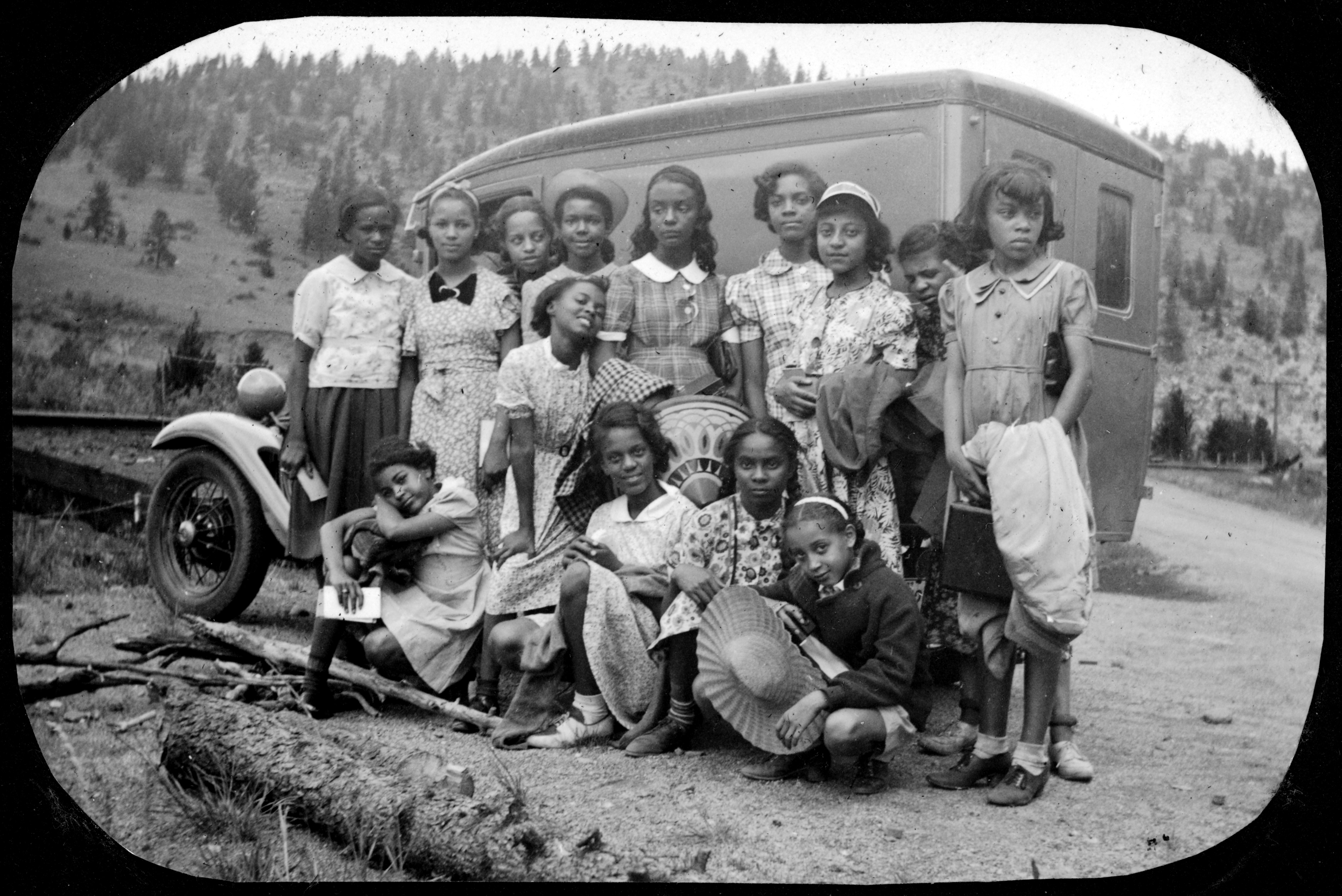
Camp Nizhoni participants in 1937.
For years, campers arrived by car or took the train from Denver to the railroad crossing at the entrance into the Lincoln Hills valley. At Camp Nizhoni the girls spent up to two weeks hiking, swimming, singing camp songs, learning about plants and astronomy, and practicing gold panning in South Boulder Creek.
At thirteen, Nancy Elizabeth Scott Jackson started a diary, and for a summer in 1939 she documented her seven-day experience at Camp Nizhoni. This daily account of her adventure included riding the “dinky” train up to the camp. Later entries give insight into her time there. One from July 13 reads:
“Got up. Got two letters, one from Lorraine [her best friend] and from Daddy sent me $1.00. Went on 2 ½ mile hike.”
Another entry simply reads:
“Went to camp. Ate dinner. Having lots of fun.”
Despite the simplicity of her words, these entries carry a deeper meaning. They were a testament to resilience, showing how a young girl amid segregation and hatred could still find joy, wonder, and a sense of belonging in the Colorado mountains.
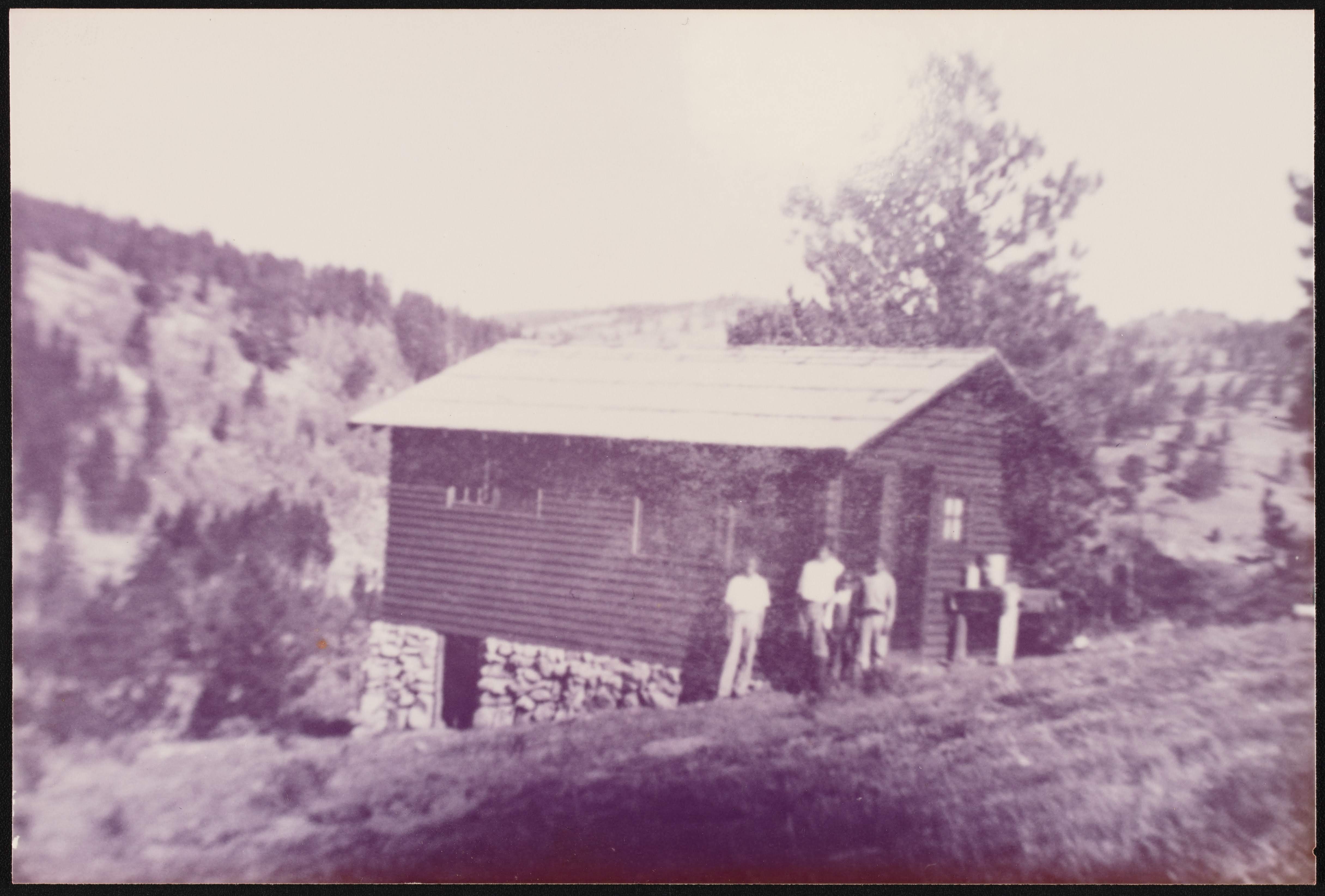
Zephyr View cabin in 1926, with Nancy’s grandfather Pitt and his family.
This experience was very meaningful to Nancy and the other Black children in the camp. At that time, most neighborhoods were segregated. Teachers and textbooks rarely reflected Black history. Many swimming pools, theaters, and mountain getaways displayed “Whites Only” signs. Families often turned inward—toward their churches, community centers, and social organizations—to find safety and dignity.
That is why Lincoln Hills and Camp Nizhoni were so important. For children like Nancy, riding the Dinky train to Camp Nizhoni was not just about campfires and hikes—it was an act of freedom. The forty-mile train ride represented a passage from exclusion to freedom, from city restrictions to a space of laughter, trees, and belonging with other Black girls. That is what makes Nancy’s diary so powerful. Nancy’s writings are preserved in esteemed institutions like the African American History and Culture, BlackPast, and the Blair Caldwell African American Research Library. Her 1937–1941 leather-bound diary with a gold key lock is currently on display at History Colorado in its Lincoln Hills exhibit.
Nancy experienced many significant moments in history firsthand, from the Great Depression and the Civil Rights Movement to recent efforts to reverse progress in diversity, equity, and inclusion. For many years she was known as the “Grand Dame of Cherry Creek” because she lived in her family home in that neighborhood on Third and Garfield from 1926 to 2024, ninety-eight years. During her life she was a gentle force for change who advocated for social justice and equity, often writing letters to civic officials and even governors. Nancy voted in every election starting at the age of twenty-one, first with President Franklin Roosevelt's third term in 1944, and proudly voted for Barack Obama in 2008. She served as an election worker for over thirty years. She believed in making her voice count and passed that passion for democracy on to her children and community.
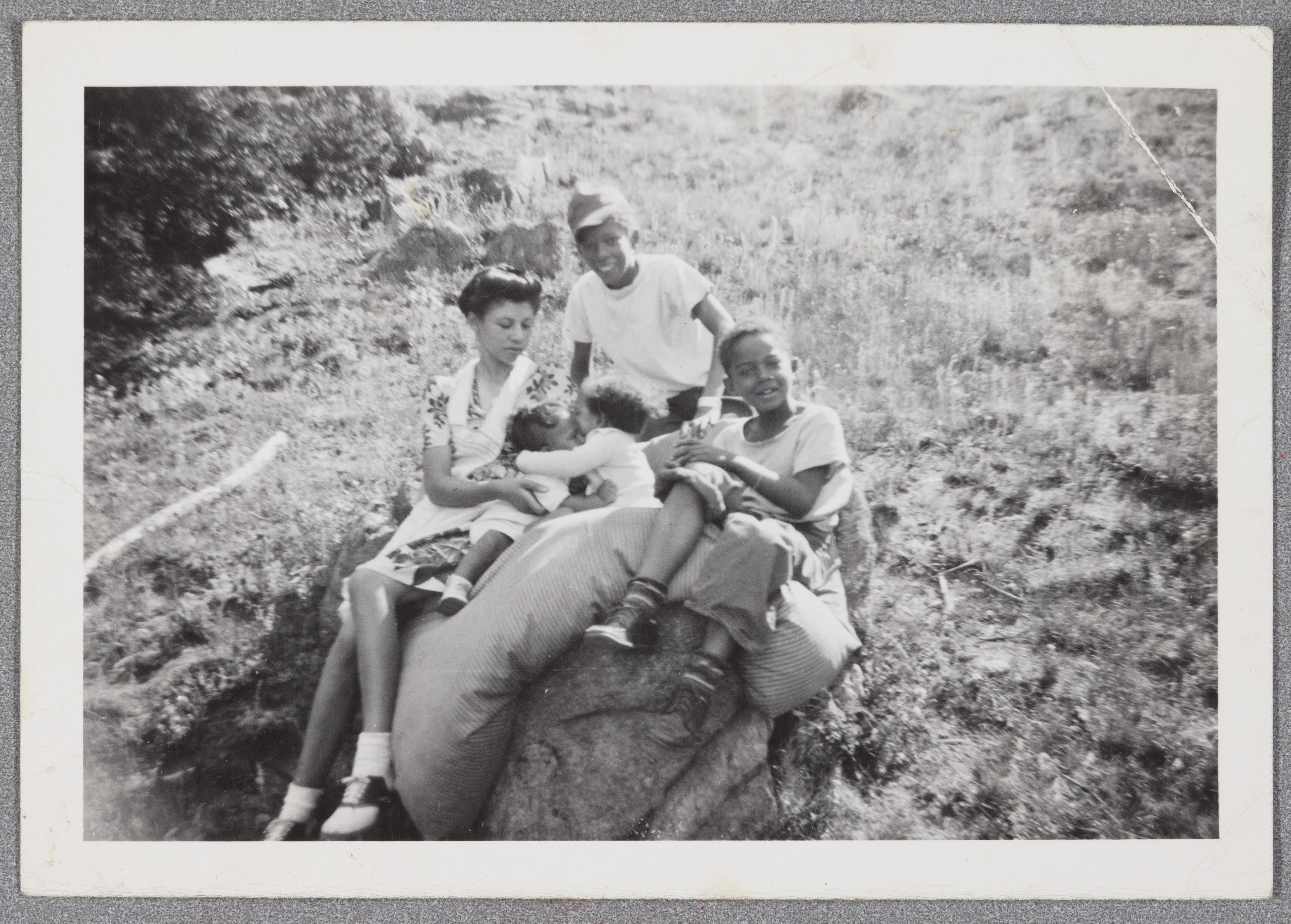
Nancy sitting with her infant sons Gary and Larry, next to her siblings Warren and Artie, outside the Zephyr View cabin.
This history of strength, resilience, and leadership was a family legacy. Her great-grandfather William Pitt had been born into slavery in Missouri, and later built three homes in what is now North Cherry Creek, and constructed cabins in Lincoln Hills before it was a resort. His Zephyr View cabin became the entryway to the resort, serving generations as a beloved retreat from segregation in Denver and a symbol of the family’s lasting strength during Colorado’s Jim Crow era.
Nancy’s dedication to education was a core aspect of her life. She attended Steck Elementary, Gove Junior High, and historic East High School, and briefly attended Lincoln University in Missouri. Inspired by her mother, who earned a college degree from Lincoln University, Nancy continued the family tradition of education.
Nancy’s marriage to World War II veteran and Bronze Star recipient Floyd McGlother Jackson Jr. in 1945 was a union founded on shared values of service and family. Together, they built a home in North Cherry Creek in 1955 and raised three children: Gary, Larry, and Kimberle. She instilled in them the importance of hard work, resilience, and compassion. Each child went on to earn a doctorate in their fields.
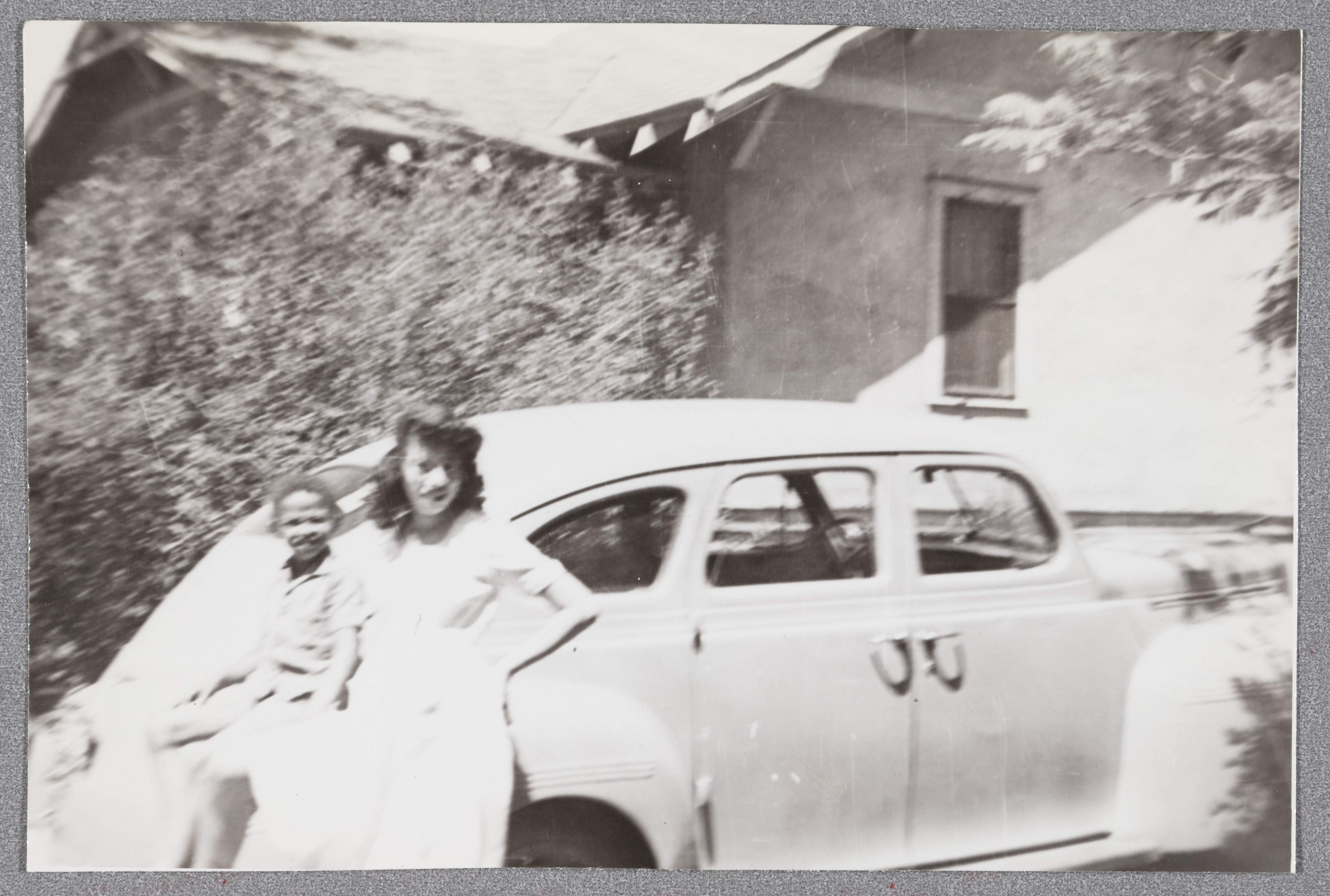
Nancy with her brother Artie in the driveway of the family’s North Cherry Creek home at 354 Garfield Street.
Nancy also enjoyed a long professional career, working as a preschool teacher at the Mary Ann Day School in North Cherry Creek and at the Air Force Finance and Accounting Center for two decades before retiring at sixty-five. Her dedication to community service extended to her church, Scott’s United Methodist Church, where she served for seventy-one years as an usher and volunteer, helping to feed the needy from the church’s food bank until the age of ninety-three.
Nancy’s legacy lives on through her grandchildren, nieces, nephews, two younger brothers, and the many lives she touched. She was affectionately called “Granny” and “Aunt Nanny.” Nancy was a storyteller and guardian of her family’s history. On July 20, 2024, she attended a family reunion at the Lincoln Hills cabin, with seventy-one relatives in total visiting. During the reunion, she received a letter from US Vice President Kamala Harris, congratulating her on the reunion and her upcoming 100th birthday.
Nancy passed away on August 18, 2024, at her home in Cherry Creek. Her life reminds us that true strength often lies in perseverance and unyielding compassion.