
 Membership
 Donate
 Shop
Shop
















Labor On Parade
Labor Day is more than just a day off—it’s a time to remember the struggle of those who helped us create the working world we know today. We’ve gathered a selection of photos from Labor Day celebrations going back more than a century, showing how important this day has been for so many hardworking Coloradans.
The first Labor Day was a grass-roots event organized by workers in New York City on September 5, 1882. Over ten thousand workers—one in every two hundred people in the city at that time—turned out to march in a parade from City Hall to an uptown park where they enjoyed a picnic. Over the next decade, workers in dozens of cities across the country emulated their example, going on parade. But it wasn’t just a simple celebration.
Even after Labor Day was officially recognized by the Federal Government in 1894, most of the workers who participated in the yearly commemoration weren’t getting that day off from their employers. They simply didn’t show up for work that Monday, risking their livelihoods in the process.
Labor Day at the end of the nineteenth century was, in essence, an enormous general strike that spread across the United States until it was being observed every year on the first Monday in September by people in almost every city and town of significance. It was a demonstration of independence by the workers, and a message to their industrial baron bosses. They were declaring that laborers should have a seat at the table in negotiations over the terms of their employment, and would walk off the job if they felt their needs were being ignored. It was also a show of solidarity between the burgeoning unions who were beginning to organize their various trades and industries, and other labor organizations.
As the early labor movement grew, so did Labor Day celebrations. For most of its history, the main way of observing the holiday was to go on parade. Most cities in Colorado used to hold Labor Day parades every year. The local unions and trades organizations would construct floats and organize bands, and hundreds or even thousands would turn out to watch the processions. They were grand affairs, and in many towns were often one of the civic highlights of the year.
Today, few towns still hold parades. Labor Day is more often just a convenient long weekend for other events or to retreat to the high country to beat the last of the summer heat. Whether they’re fun fairs, harvest festivals, or arts and crafts shows, today’s Labor Day celebrations bear little resemblance to the radical statements of solidarity and protest that defined early observations. There’s nothing wrong with any of these events, of course. But it’s important to remember the determined men and women who fought for us to get this day off—and to keep in mind that the rights of modern workers in every industry were won through organizing, and even with sacrifice and blood.
For this year’s Labor Day, we’ve assembled a series of photos of historic Colorado Labor Day celebrations from across the state to show how much significance this day had, and continues to have, for so many hardworking Coloradans.
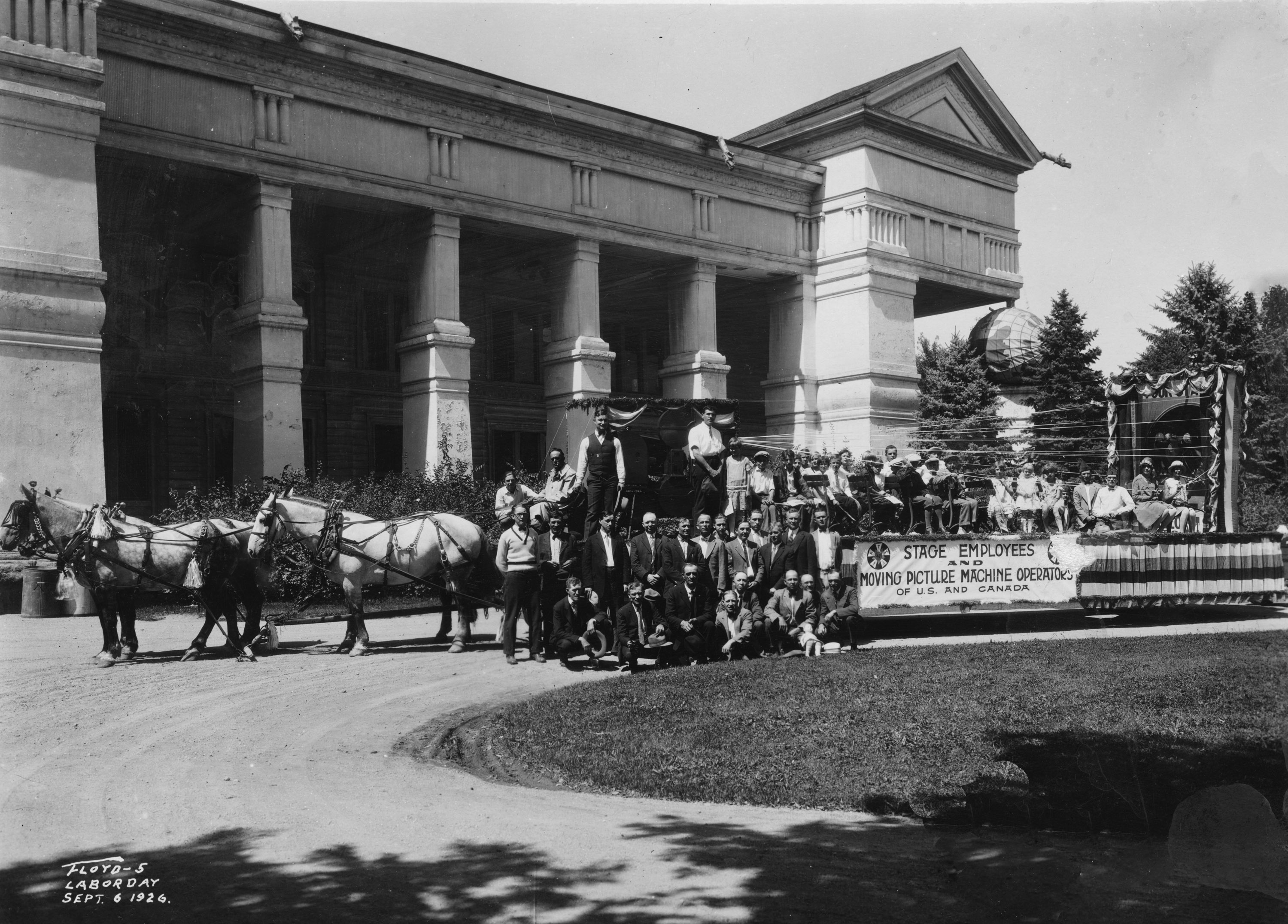
The Stage Employees & Moving Picture Camera Operators Union meeting in front of the Mineral Palace in Pueblo, Labor Day 1926.
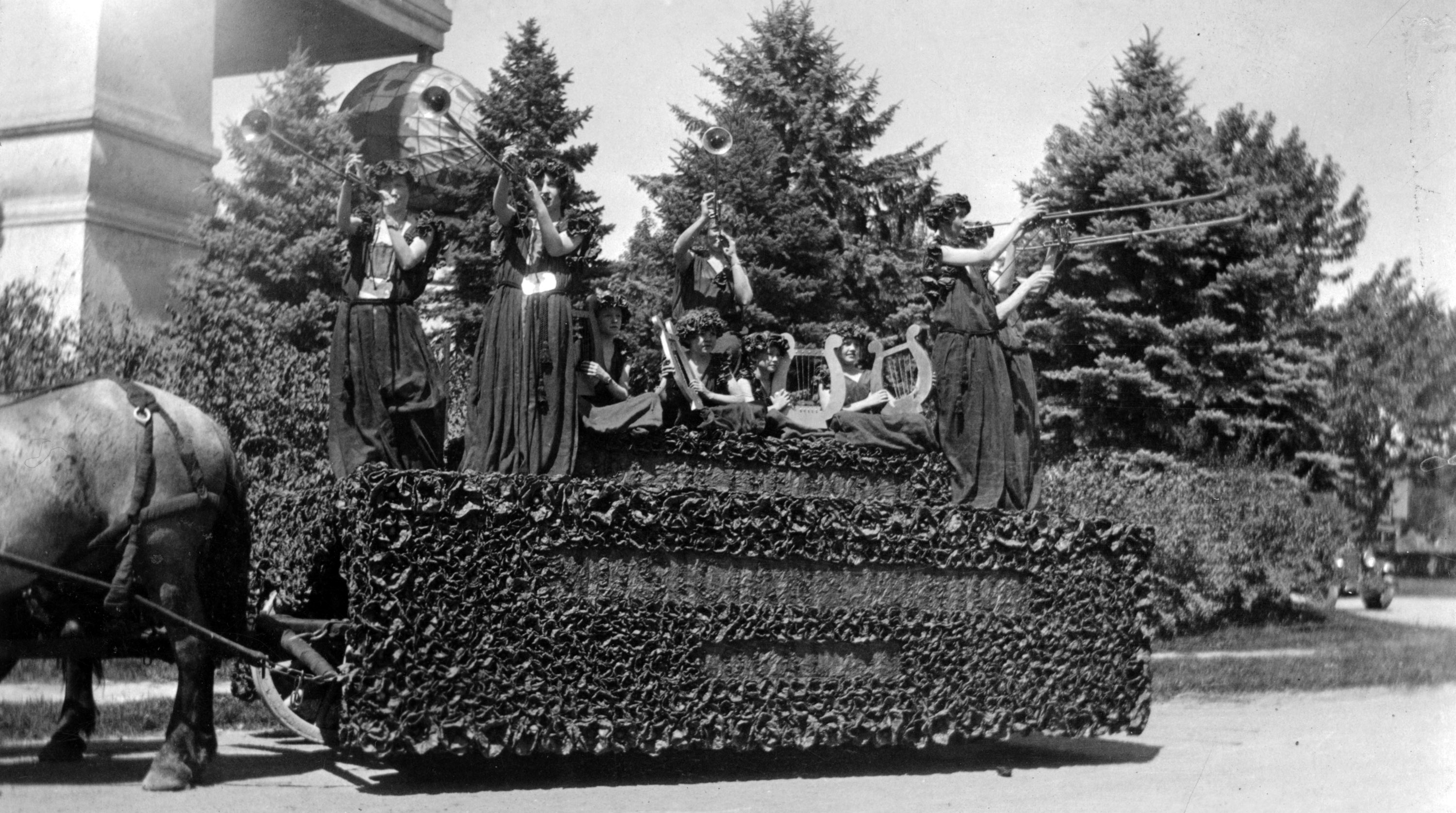
Many Labor Day floats of the era were highly decorative, like this one featuring women dressed as Greek nymphs, posing for a photo in front of Pueblo’s Mineral Palace, Labor Day 1926.
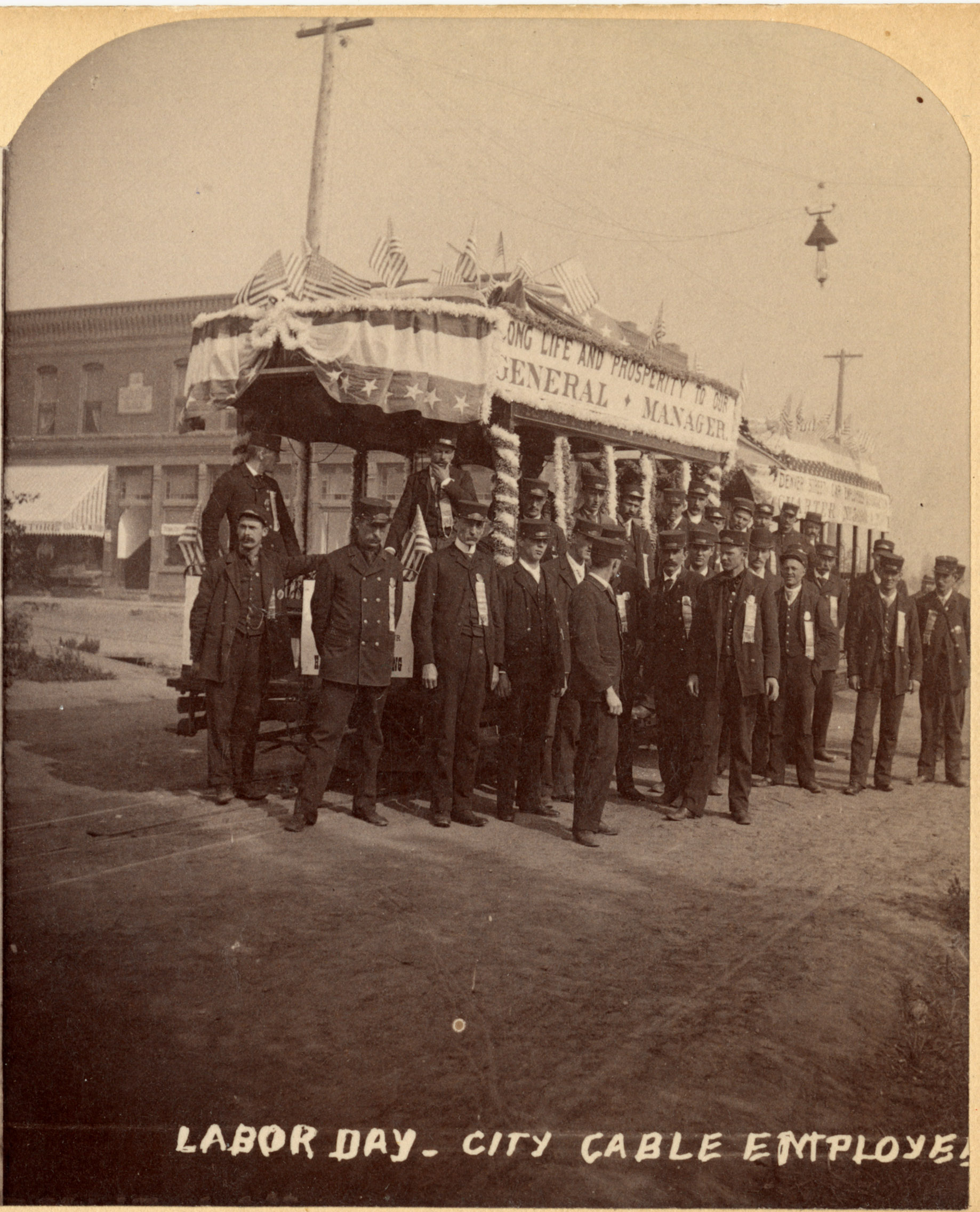
City Cable employees with a tram car, preparing for a turn-of-the-century Labor Day parade in Denver.
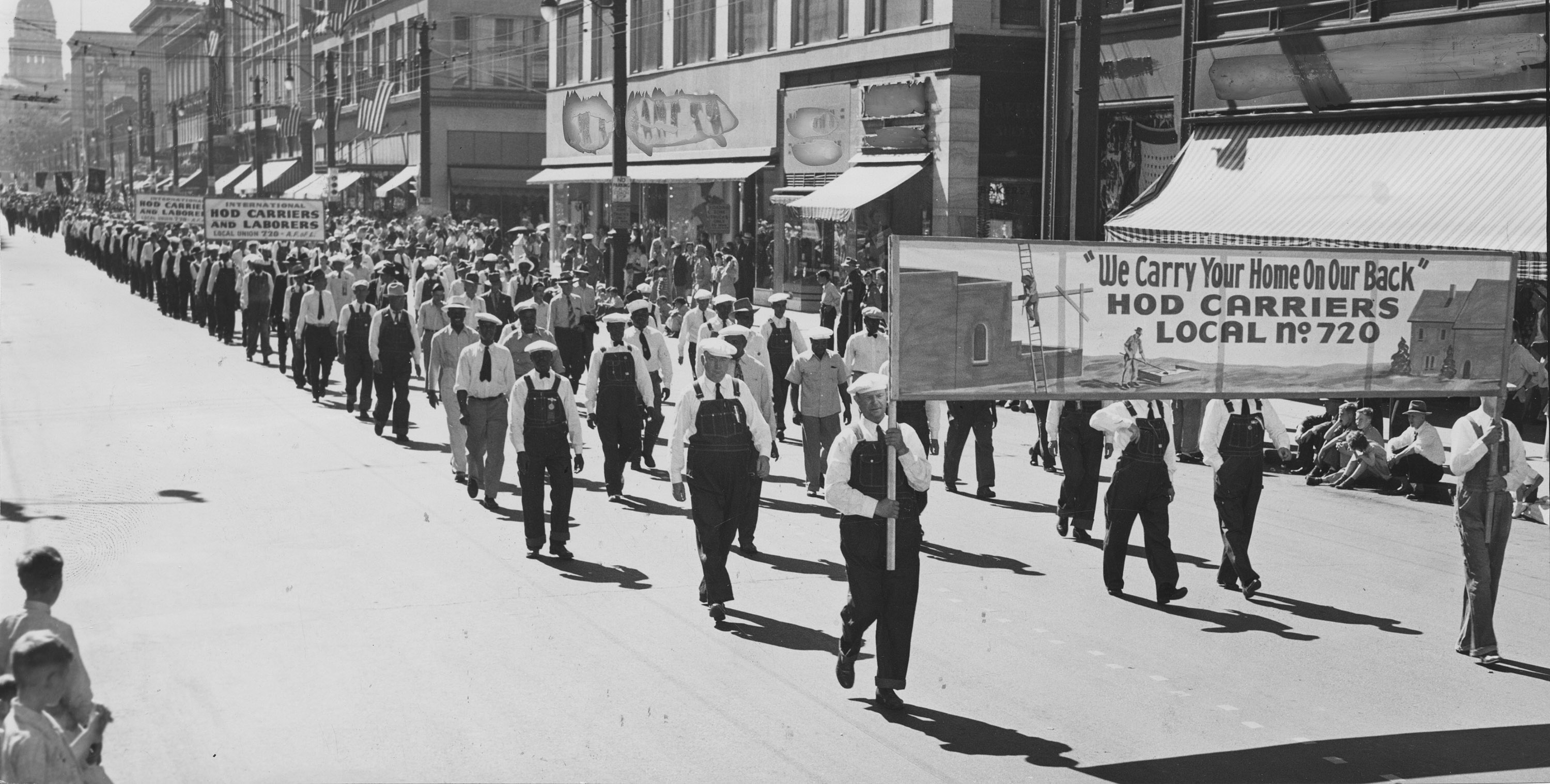
The year 1945 saw the first peacetime Labor Day in four years. The parade in Denver that year was especially boisterous, as it not only celebrated the end of the Second World War, but also gave recognition for the thousands of local workers who had worked to supply the war effort, both at home and abroad. This view of the parade shows it swinging down Sixteenth Street. September 4, 1945.
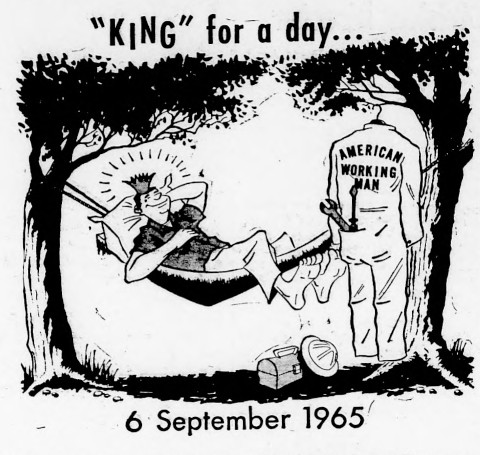
“King for a Day.” This political cartoon celebrating Labor Day was printed in the Falconews, the Air Force Academy’s student-run newspaper, on August 27, 1965.
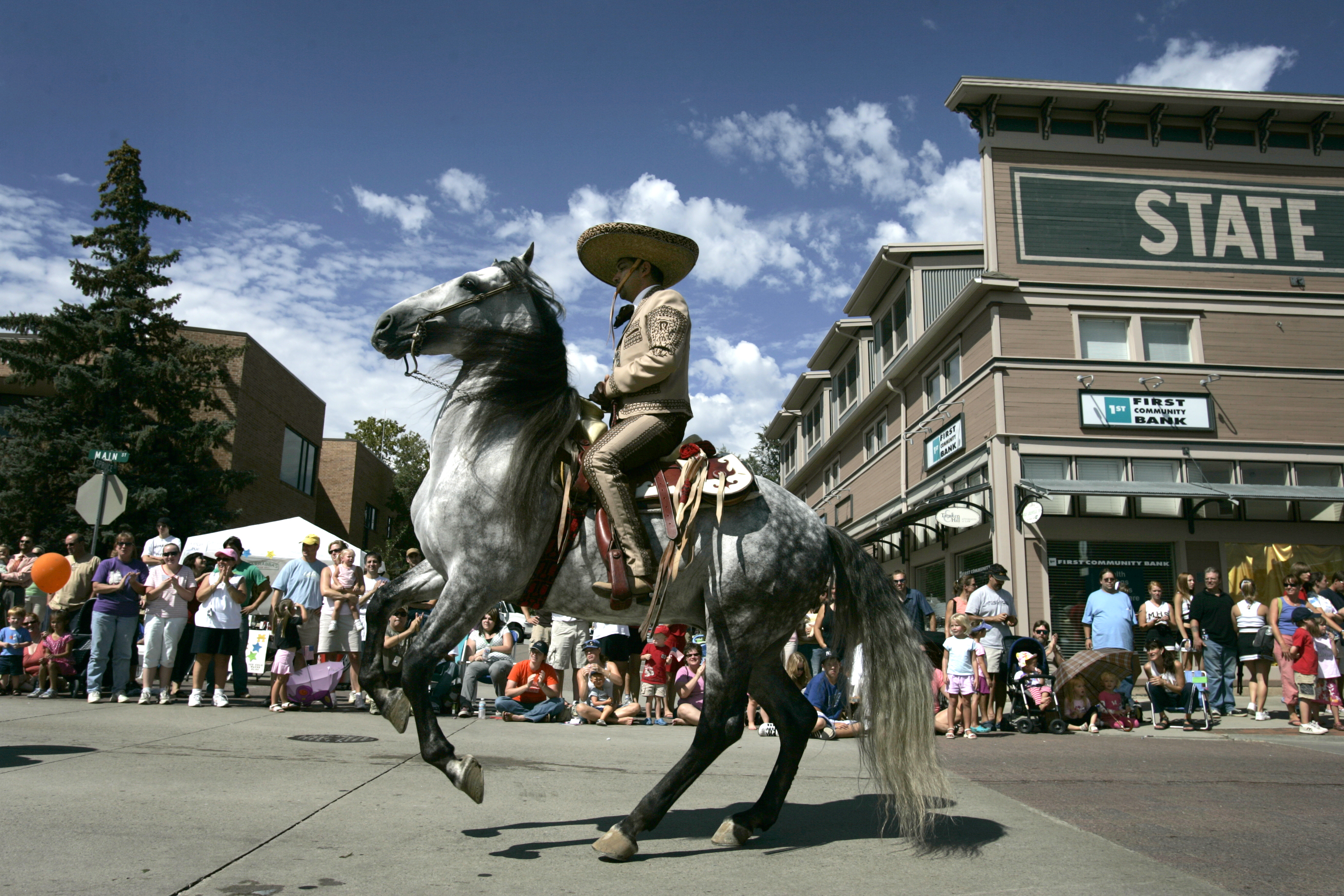
Jose Galvan dances his horse down Main Street in Louisville during the 72nd Annual Labor Day Parade in 2007. Today, Louisville hosts one of the largest and longest-running Labor Day parades in the state.
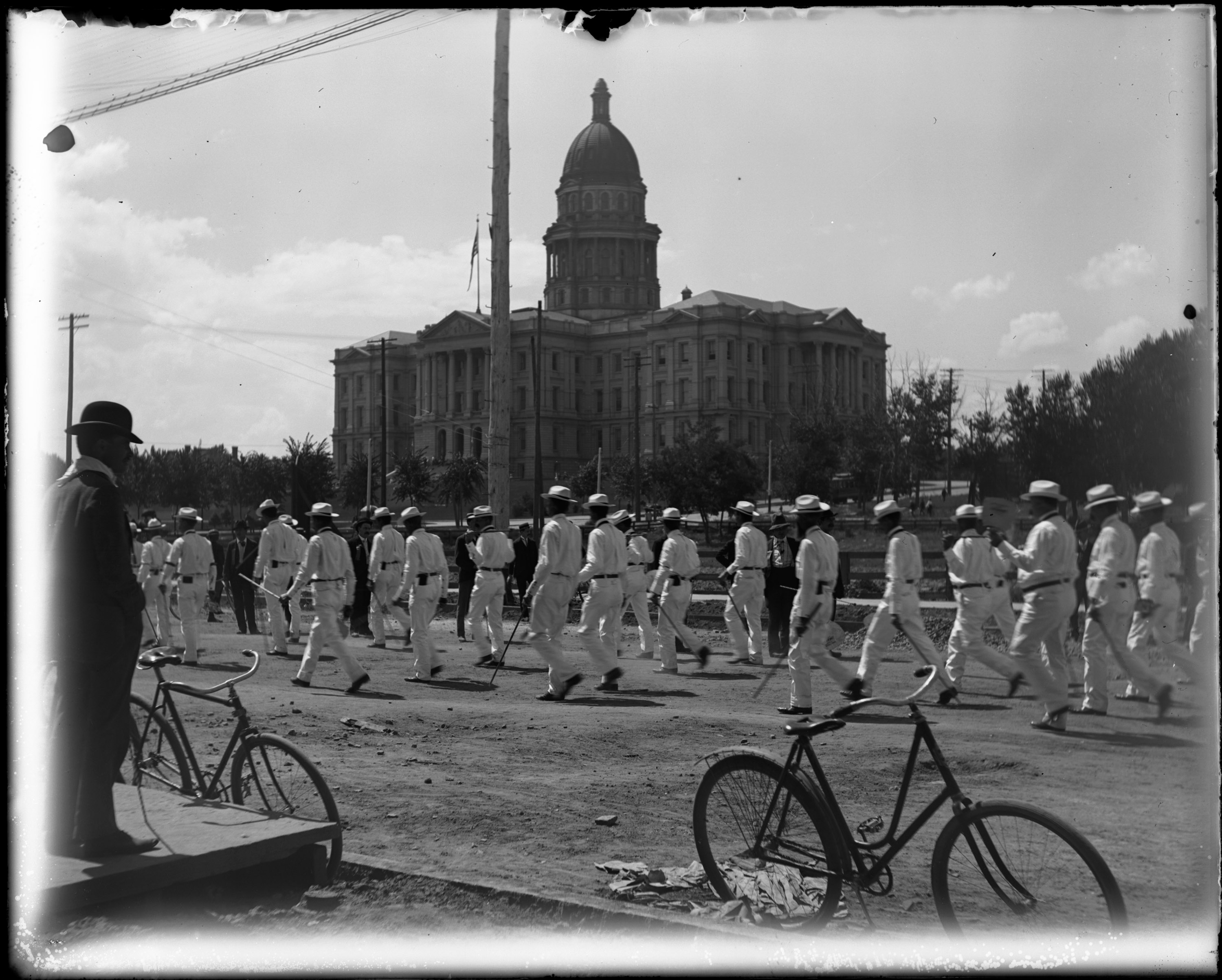
A group of men marching past the Colorado State Capitol in Denver for Labor Day, 1902.
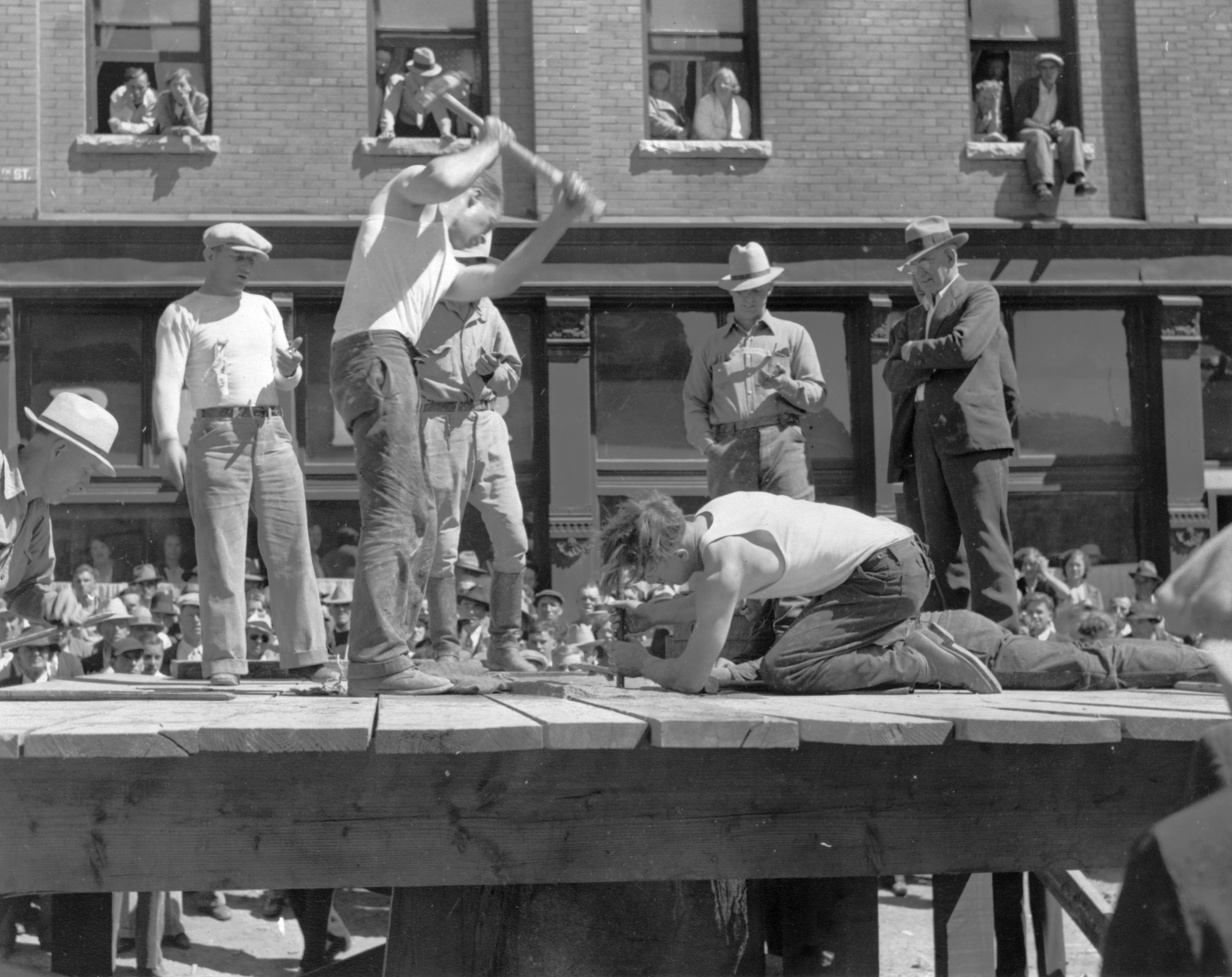
A rock-drilling contest held during a Labor Day celebration in Silverton during the 1930s. Parade floats weren’t the only way local laborers and tradespeople would show off.
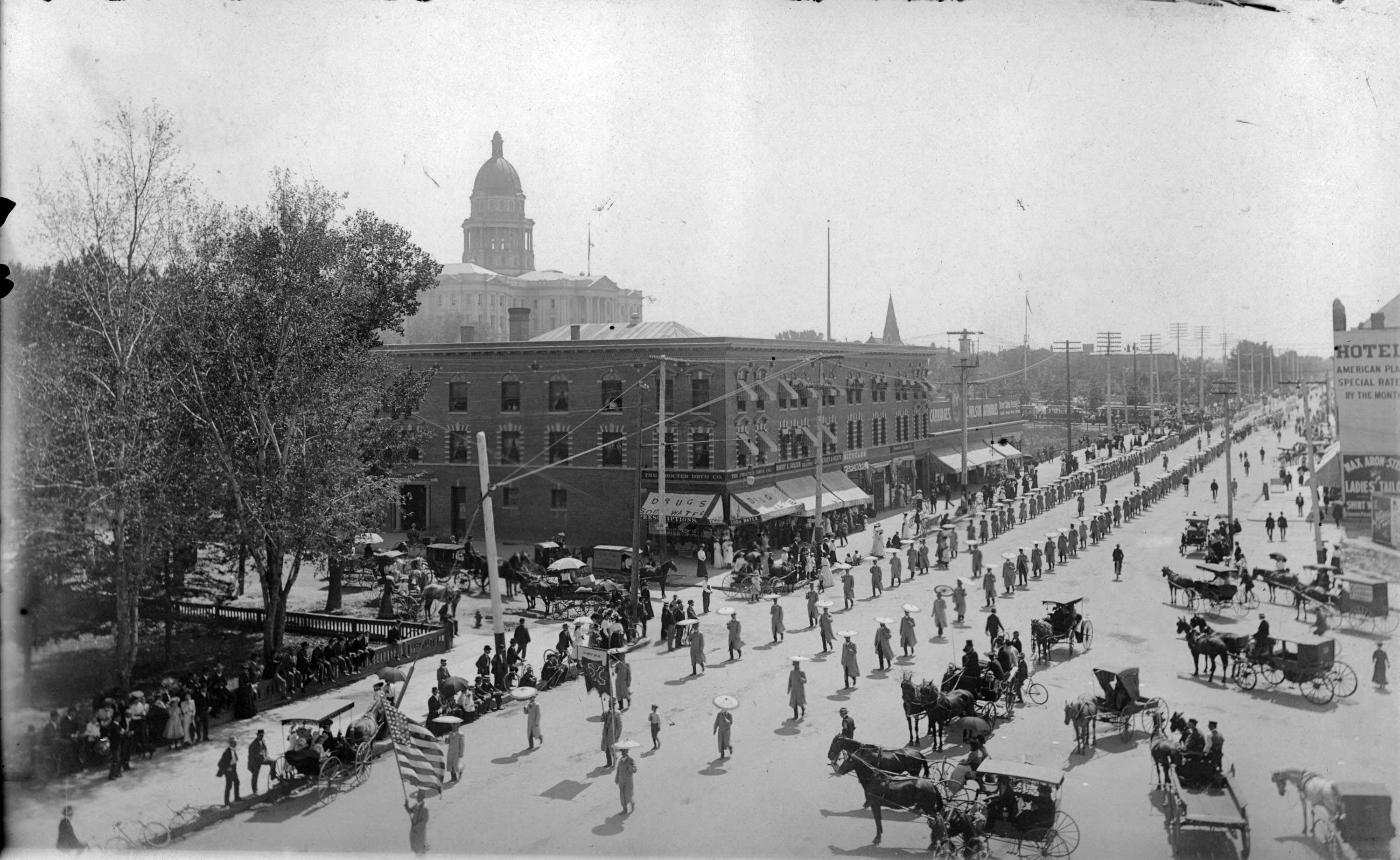
A Labor Day Parade marches down Broadway in downtown Denver, September 7, 1903.
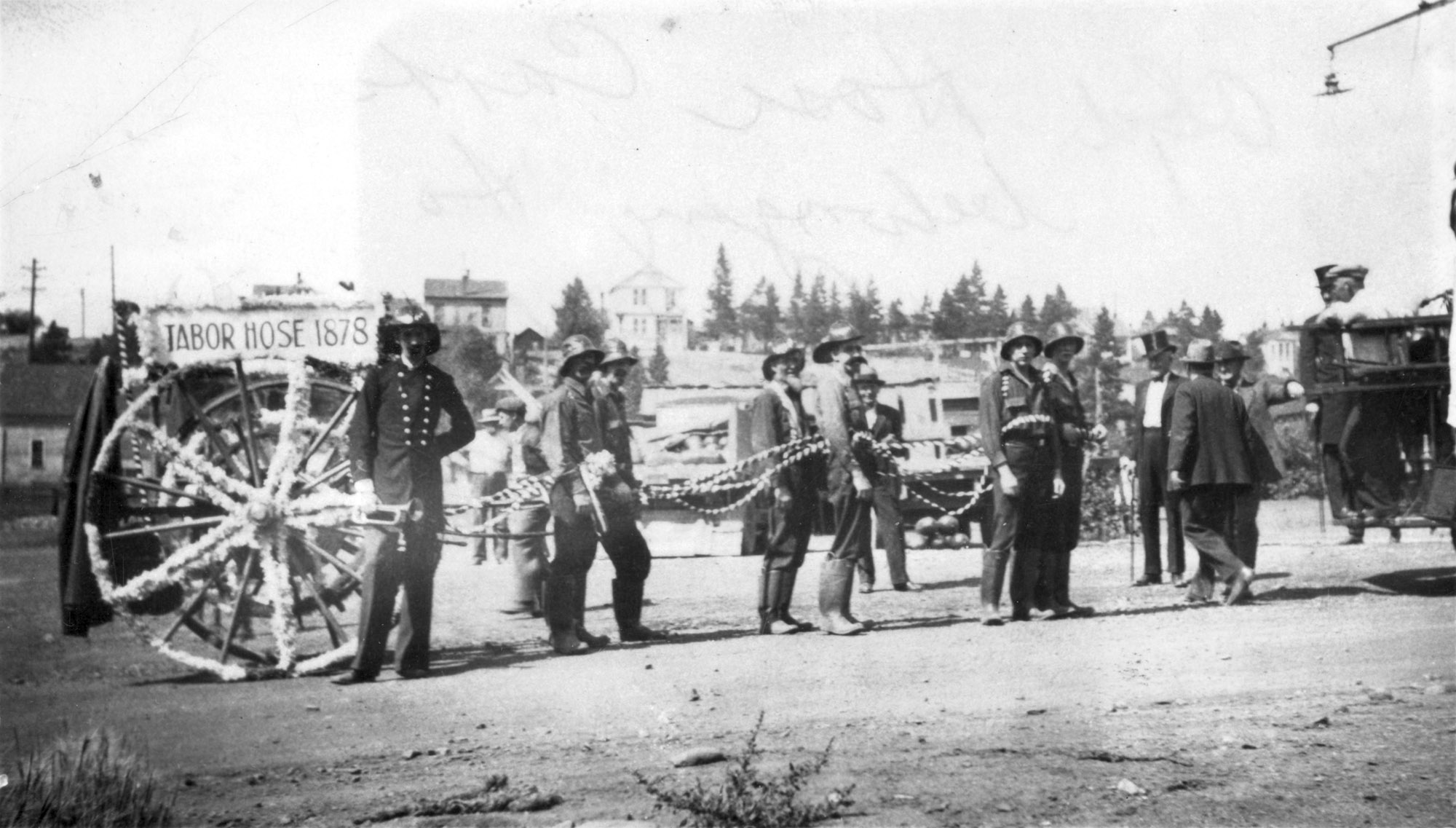
For the local Labor Day parade in 1934, these Leadville firefighters pose in historic costume with the hose-cart that was donated to the city by Horace Tabor over fifty years earlier in 1878.
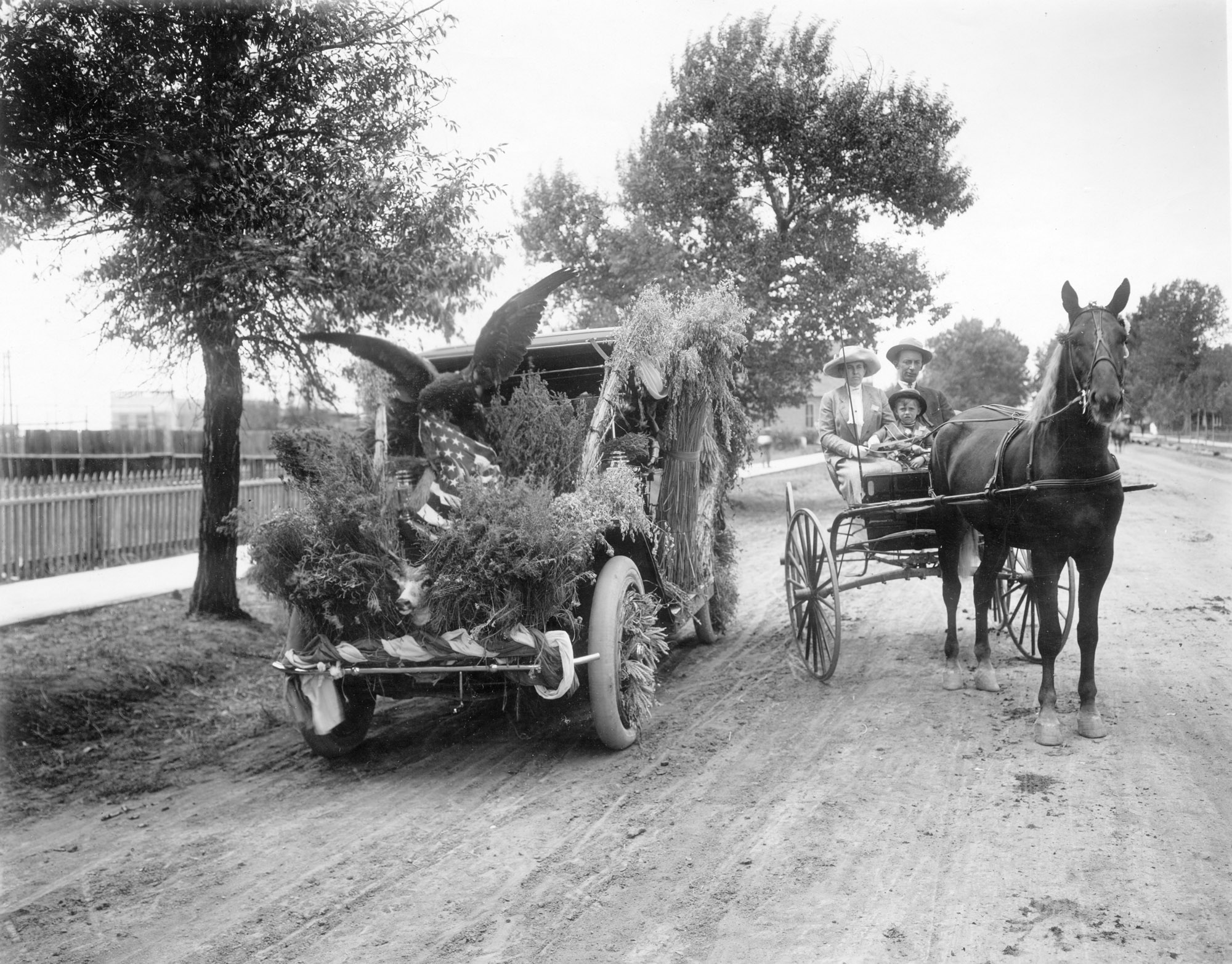
An early 1900s farming family ready for the Labor Day parade in Alamosa. Their coach has been decorated with sheaves of wheat, an eagle, and a flag.