 Membership
 Donate
 Shop
Shop


















Jim Hartman and Grant Bennett | Pancratia Hall
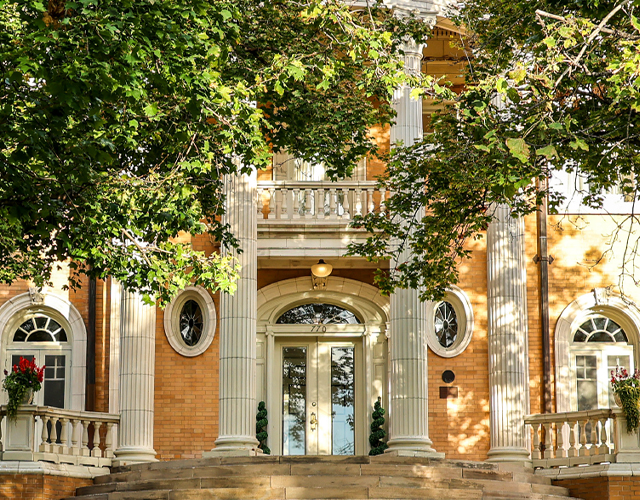
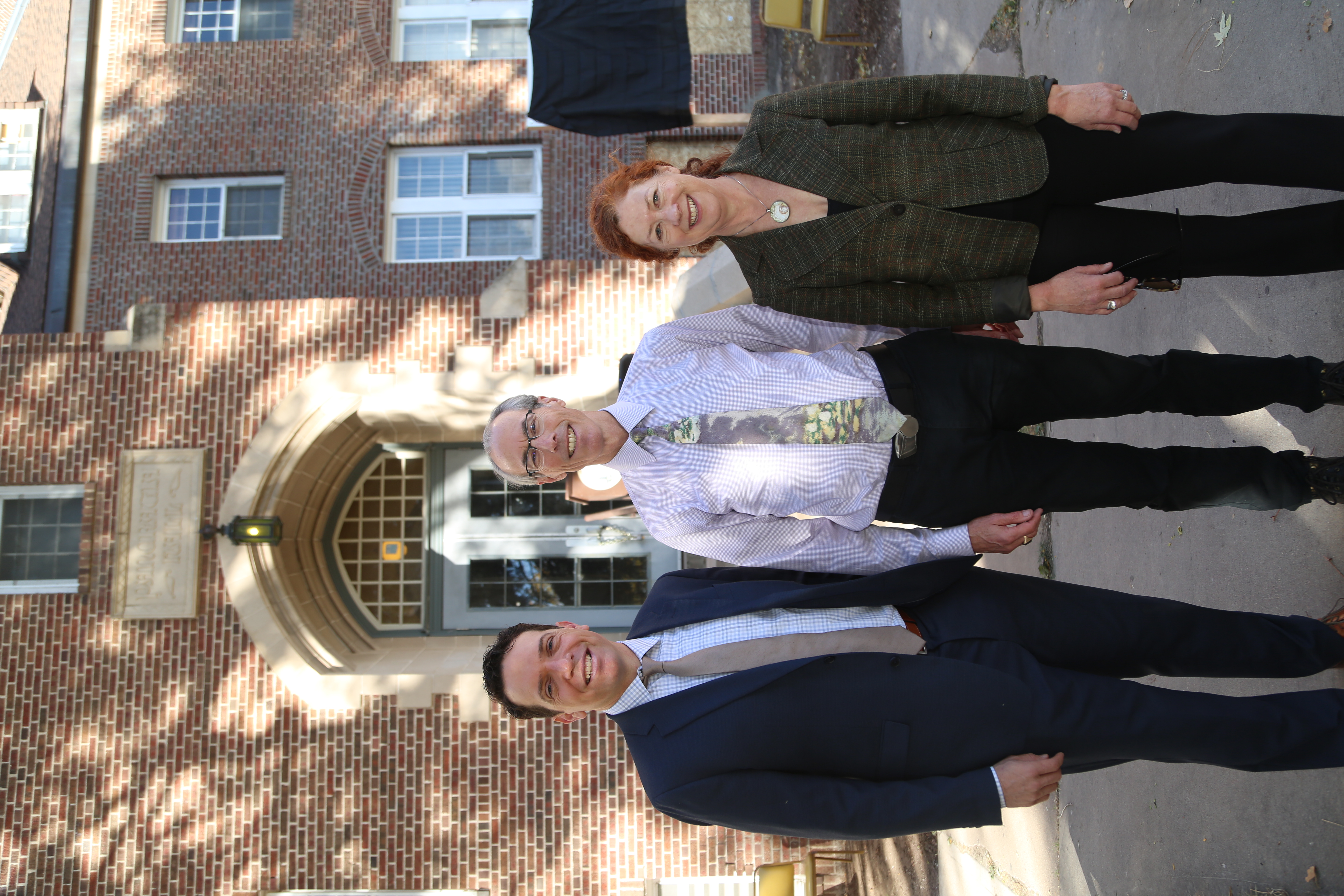
Jim Hartman, Grant Bennett, and their partners in preservation were the masterminds behind the massive effort to reimagine and reframe the stunning Pancratia Hall building on the Loretto Heights campus in Southwest Denver. Originally completed in 1930, the building served as a dormitory, classroom, and religious space for the Sisters of Pancretia and the Catholic elementary and secondary school for girls in Denver. Learn more about what it took to save the space in this fascinating conversation with Colorado’s State Historic Preservation Officer, Dawn DiPrince.
Episode Transcript
Speaker 1 [00:00:00] Welcome to another edition of ReFramed, Preservation for a New Day, where beloved old spaces are reimagined. We take a deep dive into the preservation of an amazing historic space. What did it used to be? What is it now? And how did it happen? It's adaptive reuse and heritage for all. Brought to you by History Colorado and hosted by me, Dawn DiPrince, Colorado State Historic Preservation Officer. Grant and Jim, thank you so much for joining us today for this conversation. I would love it if you would each introduce yourselves.
Speaker 2 [00:00:38] Well, I'm Jim Hartman, one of the partners on Pancratia Hall Lofts, our company is Hartman Ely Investments, and we're proud to work with Grant on this project. My other partner at Hartman Ely is Susan Ely, so it's the three musketeers, I guess, that did Pancratia.
Speaker 3 [00:00:57] Randing out that three musketeer cast is me, Grant Bennett, with my firm Proximity Green, and I'm based in Denver, Colorado.
Speaker 1 [00:01:06] Excellent. Well, you both know how much I love this project. I am hoping you can share with us about the genesis of this project, what inspired you to jump into this spectacular historic building and think of it as a place that people could call home.
Speaker 2 [00:01:31] Heights is a master development of about 70 acres. The Sisters of Loretto started it in the 1880s. It's near the intersection of Dartmouth and Federal, very southwest Denver. And the way we got introduced to this vanquish all loss opportunity was through the master developer West Side Investment Partners. I had another development partner from years ago, a guy named John Keith, who knew Andy Klein, the head of West Side So he put us in touch and then we got Grant involved with his firm and the guys wanted to do affordable housing as one of their first efforts to redevelop the entire campus because they knew that would be a necessary part of the entire redevelopment. Volunteered to have Pancrash be that initial effort.
Speaker 3 [00:02:23] I'll add that Jim and Susan and I had worked on previous, old, historic buildings in Lakewood and Wheat Ridge. Jim and Susanne had worked on countless many more around the Denver, Colorado area and sort of had a feel, right? So we didn't come into this cold. It was a bit more, I wouldn't say eyes wide open because we had plenty of discovery on Pancreatia, but eyes open enough to know what we were getting into. So we were comfortable with the space and the opportunity. And then I would say that once we walked and toured the building and actually stepped foot, you could tell that it was just this really well-built schnauzer. So it's one thing to think, oh, I can renovate an old building. And I've done that. And it was not a good building to start with. And it just sort of in the. Dumpy camp, right? And so you make a dumpy thing nicer. Pancrasia was this like really well-built Cadillac that we were changing. I mean, maybe that's not the appropriate term in today's lexicon, but it just had really good bones. It had been funded before the Great Recession by the Sisters of Loretto, and they... They didn't go cheap on the building. Like some of the buildings at Loretta that were built in the 70s were not fantastic. They were pretty not great and they got torn down. But Pancreatia and the admin building were just like this amazing stock of building that was the right amount of molding clay to say we can do something with this. And so in combination with the human connections, And with the affordable housing need and desire at that campus, in combination with this great building, it sort of said, OK, aha, here's a moment to put the pieces together.
Speaker 1 [00:04:22] I love the history of the Sisters of Loretto, so that's part of this story, the history of this site and the history this building. And Pancracia is a very unusual name. So can you tell us a little bit about what was this original purpose of Pancrachia Hall and who is Pancracia?
Speaker 2 [00:04:45] Great questions, Dawn. So, Pancrèche is a really sweet woman who we've never met in person, but Mother Pancréche Bonfice, that's the namesake for this building. She was one of the original sisters of Loretto and probably would be correctly named one of Denver's first developers because she came out and with a bunch of other folks decided to buy this overall property and it was probably, what, 200 acres or so? And early days, and it got sold off in portions down to the 70 acres that it is today. So we've put a photo of Mother Pancratia on our mantelpiece in the community room that I think you've seen her, Dawn, and she's just a very inspiring person with all the other sisters put together, as Grant was saying, a wonderfully designed and built building. The architect originally was a really well-known Denver architect, Harry W.J. Edbrooke. Frank Edbrooke's nephew, I believe, is the relation, and Frank did the admin building on the campus. So it was designed really well, funded right before the 1929 stock market crash, as Grant was mentioning, and finished in 1930. Originally a dormitory building with dorm rooms on the upper floors, and then a classroom and science lab building, as well as a gymnasium on the lower floors. And then we also had a weird chapel to work with on the top floor that got converted into one of the most soul apartments.
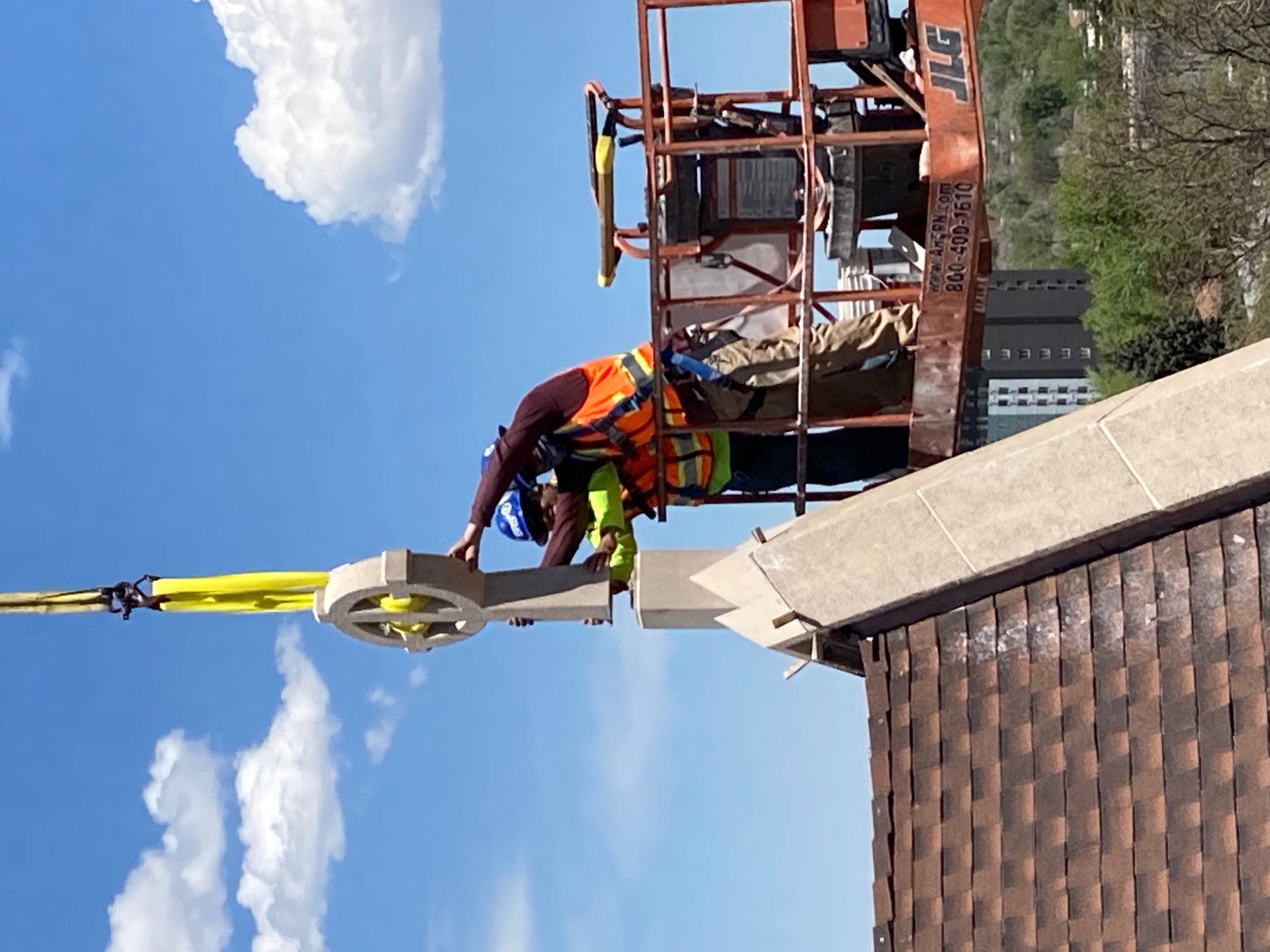
Speaker 3 [00:06:23] Speaking to the history, the Sisters of Loretta were based in downtown Denver in the late 1800s. And they made a decision around 1888, 1889 that they had to get out of downtown. They were teaching young women at the time and downtown was dirty. It was not the greatest place in the world to be educating people, especially young women. And they make the decision to move towards Fort Logan and the Sheridan area. So they bought the campus on the hilltop and in 1890, they built the admin building or they started construction on the admin building. Mother Pancrecia died, she was a sister at the time. She died in 1915 and I don't actually know the timeline on when she became, went from a sister to a mother, but the building was named for her posthumously in 1929. So it was in memory of her great work in the century prior.
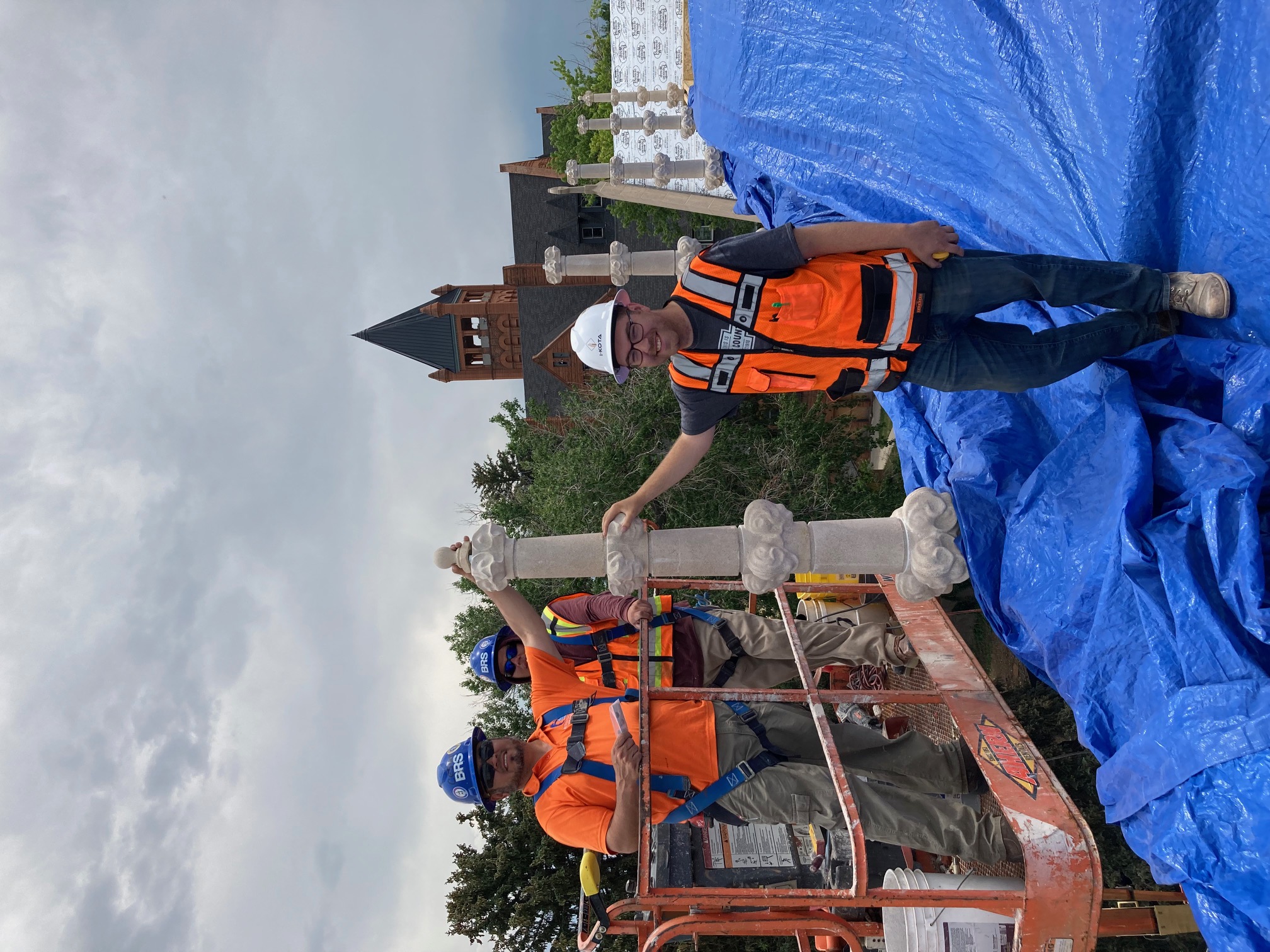
Speaker 1 [00:07:16] Wow. Well, and part of what is special about the work you all did is that there are so many surprises throughout the building of things that you kept. You know, you didn't just gut the interior and build anew. You kept elements of this original building and its original purpose. And you worked them into the residential spaces. Can you share a little bit about those surprises and why you made the choice to do that? Speaker 3 [00:07:55] My background before I got into finance and development was in engineering, and from sort of a structure standpoint, you walk in, it's this concrete masonry structure that the bones were good. I sort of mentioned and alluded to it earlier as molding clay, but these grand hallways with terrazzo floors that are on every single level, these grand staircases, entryways. Sort of that structure of the building was really good to work with and that was like the starting point. I'll let Jim expand on numerous architectural details but just from the structure standpoint it was a great building to work. Sound transmission floor-to-floor is almost non-existent because that's six or eight inches of concrete. We have masonry walls in many locations, as well as masony columns that hold the whole structure up. And so it's just a very strong, sturdy presence of a building that lends itself to sort of saying, keep the bones where they are.
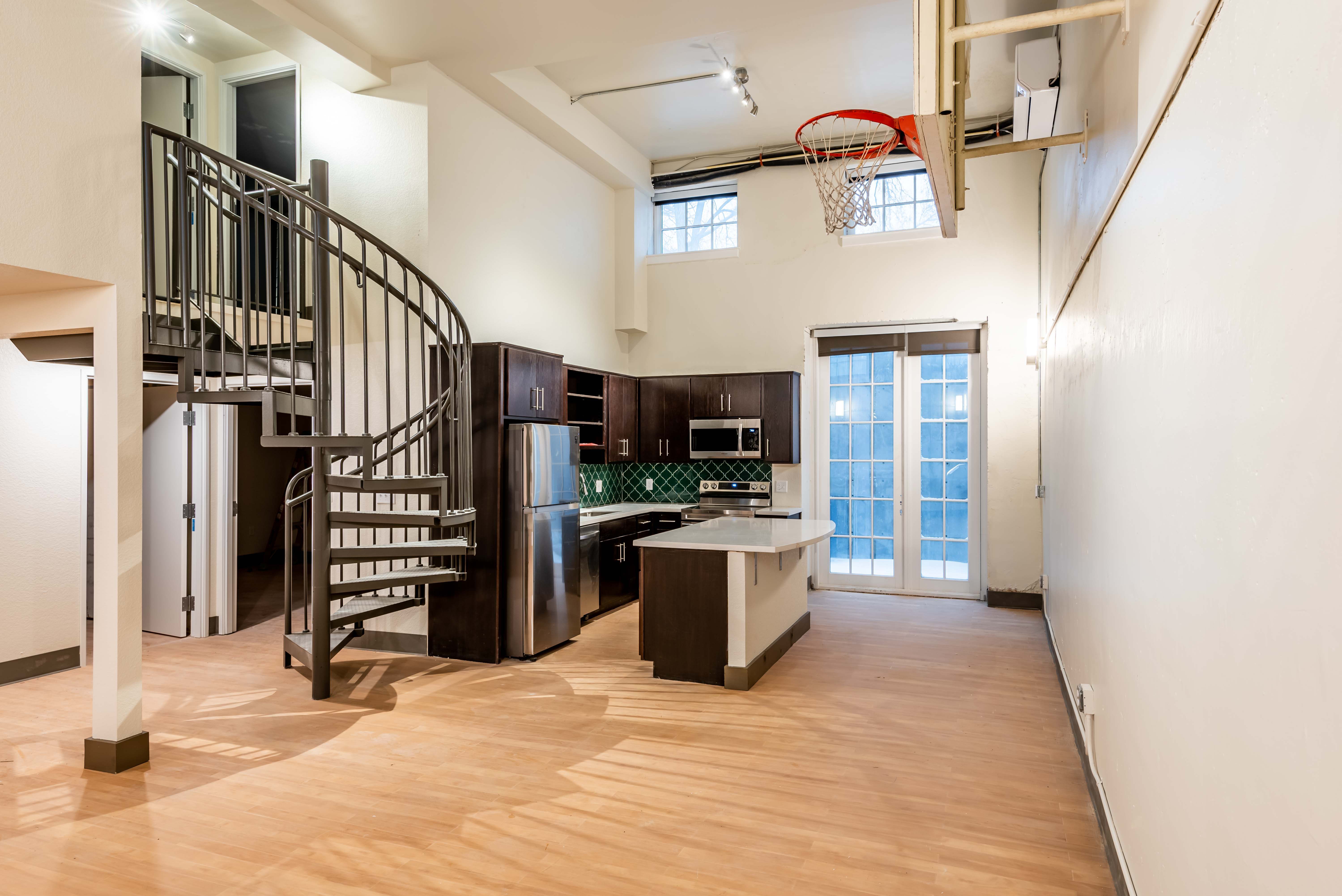
Speaker 2 [00:08:58] Yeah, and on top of those good bones, as you've alluded to, Don, we have so many cool features. That chapel that I mentioned has a vaulted wood ceiling and stained-glass windows and ornamental light fixtures, just beautiful things that any building should preserve. That's one of the things that really has attracted us to every single historic building that we've ever done is there's a craftsmanship that is there that was created decades to go. And is probably something you couldn't recreate now just because some of that craft is not available or is expensive. And so we always in our projects, not just Pancrasia, but other similar buildings, we try to find the specialness factor. And there's just so much of it at Pancratia. There's that terrazzo floors that Grant mentions, the chapel and its features, even the old gym. The basketball hoops and the backboards are still in the apartments, and we've got the tall space that a gym has. The chemistry labs had ornamental wood and glass, cabinetry and chalkboards, and we just kept and wove those kind of features into every apartment that we could.
Speaker 3 [00:10:13] Don, we named the project Pancrasial Hall Lofts, and we weren't trying to be kitschy with that or overstate. It really feels like a loft building, things that wouldn't necessarily be built today. Every floor has high ceilings. All the hallways are super wide. All the windows are oversized. It's this classic, lots of light. I mean, it almost could have been an industrial space from the sort of, if you think about Lodo and the way some of those buildings were built. Same era of construction that Jim mentioned it, but you would never build that way today, right? You would want efficiencies in your hallway size and your dead-end corridor with no window. Of course, our corridors have windows in them and lots of light. And even the way the apartments are laid out, the old classrooms or the dorms were narrow. So the orientation of a room against the hallway is long versus skinny and deep, like think about a hotel room. Every apartment has four or five windows in it. And it just creates this feature you don't find in modern construction and efficiencies. Just a modern system would never recreate.
Speaker 1 [00:11:25] Yeah, I mean, I'm always struck by the hallways. They're almost like rooms unto themselves, you know, and now when you look at modern structures, they're really trying to eke out every inch of living space, private living space that you can achieve. But part of what's beautiful about this building is it also makes room for these communal living spaces and those wide corridors that you keep talking about, Grant, are really like a plus feature of the building. I don't know if you've seen how people living there are feeling about that, since that feels like a different thing than we're used to in our contemporary realm.
Speaker 3 [00:12:16] Example, and Jim, you can expand here, is the stairways. So when Pancrasia was built, it has a window at every stair landing that is on an outside wall. Well, first, the stair ways were built against exterior walls. Pretty uncommon today. So there's a window at every exterior landing. So the stairway as you move upwards are light filled. They're also a lower slope stairway than a contemporary office building or residential building. So the movement up the stairs is naturally calmer and more relaxed and also wider than a traditional stair. Just like always. So your movement through the building... Feels more relaxed and communal. Like you could stop and have a comfortable conversation. I've done this many times. Stop on the stairway, have a conversation, and it doesn't feel like you have a business exchange like you might in a modern building. And that temperament or pace through the building continues in so many locations where it's just a calming effect.
Speaker 2 [00:13:22] Well, and one of the things that we've done with these wide hallways, Don, that you probably remember is we've made them into art galleries effectively because they are generous enough where you can have some nice historic art and informative old historic photos or redevelopment photos displayed. And it's not a cramped hallway. It's like being in an art gallery. And they're so wide that we even had communal dinners for the residents in the hallways. We had one last November with a local community group catering it and it was just well received. We're literally having dinner all together in the hallway.
Speaker 3 [00:14:02] And then the side hallway was where all the food was set up, and there were stations to try the different foods from the community group. I mean, it really does feel like it can feel like a living room at times, even though we keep them mostly clean of clutter and debris when we're not having an event.
Speaker 1 [00:14:23] That's amazing. Well, one of the things I love to nerd out about, kind of like you, Grant, is really how you put together a project like this and the financing of it. A project like, this requires a lot of creative financial thinking and pulling together or a variety. Of financial partners. Can you share about the financial stack that made this project happen?
Speaker 3 [00:14:57] Absolutely. I think it's worth noting and just reflecting on the project. We got under contract, now that I think about it, we got under contract from Westside in the fall of 2018. And it took almost two years of pre-development work. And we can think about numbers in spreadsheets. But I am actually just looking at Jim and recognizing that it was actually a charm factor. Like literally, we would make decisions when we're going to meet with people and share the story, how to approach it. And sometimes we had to play like good cop, bad cop. And I say that like, we can't afford to do the project, but here are all the great things, right? And so there was. There was an approach at every level, talking with the city, talking with the state, talking to partners to sort of say like, help us get this really big and not impossible, but impossible thing done. Right? And then yes, that translates into a spreadsheet and a pro forma that becomes the mathematical proof. That everybody wants, and that obviously takes time and skill. But the most important pieces are getting the human elements right. How are we going to get this counterparty partner to play ball with us? Or what did we hear last time, and how are we responding? Because it didn't happen, I mean, Jim, correct me if I'm wrong, but almost everybody dragged us right through the like. We don't believe you or we can help, but got to do this, got to do this. The best example is we signed the purchase contract and a week later in December, early December of 2018, we go to meet with city of Denver, Jim and Susan have done all this great design work on the layout of the building. And it's this conceptual layout. It's just really like puzzle pieces, where are we going to fit the units? And the city of Denver said, we love the building, we like the project, we can size. To that gap, fill your financial need probably, but we want more family units. And the building had been designed as a majority, sort of one and two, one bedroom units with a whole bunch of two bedrooms and a whole batch of studios, right? But probably a majority of one bedroom. And that was typical, especially in the 2010s, that's a very typical makeup of a low income housing tax credit or LIHTC project. And only in the last seven or eight years have we seen more family units get added where you're having two, three, and four bedrooms? So at the end of, so following that meeting, we had to literally not throw away, but sort of learn from and start over with and. Credit to Jim and Susan to redesign the entire floor plan to fit two, three, and four-bedroom units into the project. And so the final product is 74 units, half of which are two, three, or four bedrooms. So a majority of our units serve families with children. And that's an example. And sort of getting back to, I know you want to... To get into the pro forma, but to make the pro-forma work and to actually get the magnitude of money out of Denver that we needed from a patient capital loan, they said, come back to us with family units. And two months later, we did exactly that. We came back to them with a new concept, in a new pro forma and we said, we've figured out how to make a whole bunch of family units and they said great, let's dance.
Speaker 1 [00:18:33] I mean, you're right. So many affordable housing projects tend to be studios or one bedroom. And so, but really, I've got a family. Families need affordable housing as well. And that's another aspect of this project that I appreciate so much. I know each funder, potential financial partner. You to do something you know maybe that wasn't part of your original vision, right? So you've got to tweak here and there as you mentioned, but we know historic preservation tax credits were part of this project. Jim can you share some of the things you had to tweak to make you fit the standards for federal preservation tax credits.
Speaker 2 [00:19:27] Yeah, that's a great question, because as you know, any of these historic tax credit projects need to get approved by the National Park Service. And we had the great fortune of working with a guy named John Sandor at the Park Service before he retired. And he was out, Joe Saldabar brought him along for a site tour of all of Loretto right as we're getting going back in that December 2018 early 2019 timeframe. And so we had the ability to walk around and say, hey John, what about this? What about that? And we went through the typical process of submitting all the drawings and photographs before and then after to get their ultimate approval. But one of the stories I love to tell, and Grant probably was gonna cringe at this one, is we decided during the middle of construction that we didn't really need all this mechanical space up in the attic, so we added two more apartments during construction. And we didn' have any way of getting natural light because it was an attic without adding something. And they were on a pretty visible couple of corners of the building. So we went back to John Sandor and said, how about if we do some skylights here for these apartments? And they said, yes, there was a little bit of a big song and dance with our contractor. What, you wanna do that in the middle of construction? And another piece of the tax credits that also relates back to the financing is the actual investor that provided the money for the tax credit, PNC Bank in this case. And we had the, I guess, the great fortune of getting PNC in the middle of COVID. Grant sent out our RFP, what was it, middle of March, 2020, Grant, right as COVID hit. And that's about the worst possible time for anybody to be looking for a major investment. But credit to Grant and PNc, they pulled it off and they came in to be our tax credit investor. We also had Commerce Bank. From St. Louis for our historic tax credit at the state level. So it's a real process as you well know, Don, to get all this stuff to get approved at all the various levels.
Speaker 3 [00:21:34] Don, I'm thinking about the listeners for this podcast. Just at the highest level, the financial stack of a low-income housing tax credit project is different than a market rate deal. Normally, equity and debt is brought together, and those two sources in general will set the historic tax credits aside for a minute. Those will pay for 100% of the project. Usually, the historic task credits are then a return to that equity position. Um, and, and so it's as simple as that, right? If we were to take a building, uh, let's say residential house, and it was qualified for state and historic tax credits, you, you would, the equity or owner in this case would accrue the benefit. Pancrasial Hall is quite a bit different. It, at the federal level, it garnered low-income housing tax credits and an award from the Colorado Housing and Finance Authority. It also got federal historic tax credit, as Jim has explained it. Of course, you know well. And then state historic tax credits. And so what we needed to do was get an outside investor. The investor wants to own basically 100% of the equity in the deal to accrue the benefits of both the federal historic tax credit and the depreciation on the bill. And so our position, while we are the general partners on the deal and controlling it, and we are responsible for literally every decision that gets made, we own a very small percentage at this time until the compliance period for low income housing tax credits goes away after 15 years of operations. So then if we wanted to, we can't put more equity in the deal because it dilutes. Our tax credit equity investor. So then we have to go about finding other ways to solve the capital stack. One of course is debt service. Operations, less expenses, gives you revenue every year. You pay a mortgage. We have a mortgage on the building. That covers about a third of the expenses. The tax credits covered about another third. All the tax credits combined. The two historic tax credits, the federal and state level and the low income. And then the last, but not least, that other third, are patient capital loans from outside partners. So the seller provided a carry back against a portion of the purchase price, the city of Denver, the state of Colorado. And actually, now that I think about it, we took our state historic tax credits, we transferred them to our partner in the project, the Denver Housing Authority. We then got a patient capital loan back from the... From the Denver Housing Authority for 40 years. You almost have to see a flow diagram to fully understand it, but it's a combination of debt, outside equity for the tax credits, in these patient capital positions to find what looks like on paper a $25 million project.
Speaker 1 [00:24:22] Yeah, so 25 million was the total and 74 units. Is that what you said earlier? Yep, amazing. As you know, I'm like the biggest cheerleader for this project. And one of the other things I love about it is just the sheer beauty. Um, oftentimes, uh, You know, we see affordable housing. People think affordable housing must be utilitarian. And there's something, this building is breathtaking. You know whether it's the big hallways or the room with the altars and the stained glass or theroom with the basketball hoops, you know, it is just really a very special building. Can you speak to that? Just that philosophy, that underlying philosophy Affordable housing in these really spectacular spaces.
Speaker 3 [00:25:16] I'm going to go first here because Jim and Susan have lots of stories to tell here from their work, but I'm gonna start with like the state of affordable housing, because I think the listeners might be interested to know that modern affordable housing in short doesn't suck. The affordable housing industry is actually getting really good at financing and designing thoughtful, attractive. Buildings that you wouldn't, if you were driving by, you wouldn't know. You would think, wow, that's first class. Largely using the low income housing tax credit program or now the state of Colorado has Proposition 123 that was voted in and this whole series of funds that are sort of raising the bar, if, you will. And I can think of our project partner, the Denver Housing Authority has numerous projects with light-filled stairways and higher bedroom counts for families that are most modern projects that were opened in the last few years. So the bar is really rising up compared to the numerous literal projects that we saw around town from the 80s and the 90s that were not attractive and have needed a lot of reinvestment. That being said, we like to think, and we were somewhat thoughtful in saying, how can we make this a great experience for tenants? And Jim, I'll let you add to that.
Speaker 2 [00:26:34] Well, and I'm glad you asked this question because to me and Susan and Grant, this is so important, is to give every spectrum of society good space, whether it's space to live in or work in or go play in. There should not be a class of people that are wealthier and get better space. Everybody should get good space. And this Pancrasia building, in addition to what we've talked about, It also had a wonderful opportunity in the attic. Which was pretty high ceiling space all by itself, but it was just like almost every attic in an old building with steep roofs, unused. It was just a pile of junk and ducts up there. And so we were able to create light-filled space with new dormer windows on the backside of the building. Park Service was a little nervous about that, but they ultimately said fine. And I think that it's just so important to give these lower-income folks, hence to call their homes beautiful spaces. They feel better about their lives. They're generally folks that have harder lives anyway. They're, you know, they don't have an excess of money. They're struggling to make ends meet. They should be able to go home, relax, and enjoy it.
Speaker 1 [00:27:48] Thank you so much for that. What kind of lessons learned, you both have been at this in multiple ways and multiple projects, but what kind of lesson did you learn on this project?
Speaker 2 [00:28:03] I'm chuckling because I've lost lots of hair over the last five years as a result of doing this. One lesson I would say for anybody wanting to do this is don't underestimate the challenge. Most preservationists know that it's going to be a little harder than a new build, but these projects from the financial complexity that Grant spoke of so well to just the design process and the construction, they're a lot of work. I think that's one of the best lessons learned for us as well as others is go into it if you feel like you really have all the support you need because it's going to be challenging.
Speaker 3 [00:28:42] And I would add on to what the sort of the theme of what Jim is saying is that I can think of a few times where we were meeting with project partners, and they wanted to push back on the amount of funding we were requesting. And I remember, you know, we would we would circle back and we would talk and I would just put a statement down and I said, we've got to have some protection here. There are so many unknowns in tearing apart and really opening up an old building. That we couldn't answer. There was no way to answer that without getting into construction and and then in combination with in the mathematical sense having enough contingency, but I would even say human bandwidth and relationship with partners where you're saying I trust the partners I'm working with to be going down a precarious path. It's not a single-family home site. With good soil, you know, a good soil report and simple framing. And really there's just only so much trouble you can get into if you follow the proper steps. And so we followed a lot of the proper stops and we still ran into hiccups. And so then it's sort of saying, do you trust the people you're working with? And can you, are you prepared to, when you do face a challenge, how are, you now, are the people you're workin' with gonna work with you?
Speaker 2 [00:30:08] I mean one of the last little stories I'll tell is the we were kind of like the Apollo 13 mission where we launched our redevelopment before the campus had started their redo of all the new roads and utilities and the perfect storm happened where we were prepared to open up with the old roads and utilities if they didn't get far enough along fast enough. But our preference was to open up with the new roads and utilities, of course, because that was the ultimate master plan. Well, the perfect storm happened and we opened up right in the middle with nothing available. We had no new roads, some new utilities so we could pass our fire inspections for water and power, but no parking lot. We had to just wait for the master developer to finish all that up because they got delayed through their whole permitting and construction process. And ultimately, I think you came to that grand opening we had in May of 22, everything got done, but man, oh man, we felt like the crew of Apollo 13 at a couple of spots where we're up in space and we're trying to land and open this project, but we don't know if we can get there.
Speaker 3 [00:31:21] In that case, just to get super detailed, it's February of 22 and we're literally looking at the weather days to understand when they're going to be able to do paving work in February and March and into April. And the bad weather delays are delaying us day for day in getting to the, we can get the fire department to approve that there's adequate fire truck access so that they can sign off and let a resident move into the building. And it was this super detailed tracking of 1,000 things. But in this case, it happened to be to open the building, we had to get the fire department happy with this temporary road condition where it's 95% done, but the paving was one of the last holdups.
Speaker 1 [00:32:08] I don't know if you all feel this way, but as somebody who's got to tour the site multiple times, including a family who let us generously visit their home while they were cooking breakfast, it seems like it was very worth it. And you know, part of what I keep thinking of as you all are talking is just this, like, there's a humanness to the ways in which you're talking about this work. It's about relationships. It's about thinking about how the community is going to interact in this space. It's, about families, it's about trusting the people you're going to be working with. It's ,about making sure that there is safety built into the project because you know there's going to uncertainty. But along with uncertainty, there's opportunities like an attic that you wanna put skylights in and making space for all of that in this like. Beautiful kind of creative human way feels very much the heart of this amazing project.
Speaker 2 [00:33:12] Thanks, Dawn. The humanness is really important. And I think pancreasia hits that on all cylinders. Some of the folks there I'm thinking of Sonia, a single mom with three kids who lives in one of the units that has a basketball hoop. They've been there since the beginning. And they just love it. This is their home. And hopefully we'll be able to have those kind of stories for the entire time that pancreas is home for so many people.
Speaker 1 [00:33:40] Yes, agreed. I think Mother Pancrisha would be delighted with the work you have done, and I thank you both very much for your time and your storytelling, and of course this incredible project. We appreciate you.
Speaker 3 [00:33:56] Thanks for joining in, Dawn.
Speaker 1 [00:33:59] To see photos from this edition, visit historycolorado.org forward slash podcast. Major funding for ReFramed Preservation for a New Day is provided by the Sturm Family Foundation and History Colorado, offering 11 beautiful, inspiring museums and historic sites that ignite imagination of all ages. Join us to discover your past and build a better future for all people in Colorado. Home to a free public research center. Colorado's Office of Archeology and Historic Preservation, and the History Colorado State Historical Fund, the nation's largest preservation program of its kind. Learn more at historycolorado.org. This episode was produced by Annie Levinsky and Sam Bach, edited by Callie Mejia, and directed by Julie Jackson of Julie Spear Productions with support from Truce Media Collective. Follow History Colorado on all social media platforms. To stay in the know on all things history in Colorado.
For more information and other episodes, visit reFRAMED: Preservation for a New Day