
 Membership
 Donate
 Shop
Shop
















Transformative Art Installation Honors Black Women’s Contributions at Fort Garland
FORT GARLAND — April 9, 2026 — A powerful immersive art installation honoring the history of domestic workers is coming to History Colorado’s Fort Garland Museum and Cultural Center.
12 Tablecloths, created by award-winning artist and historian Chloé Duplessis, is a transformative art installation exploring the history of emancipation, the Great Migration of African Americans into the American West, and the realities of domestic service for women of color.
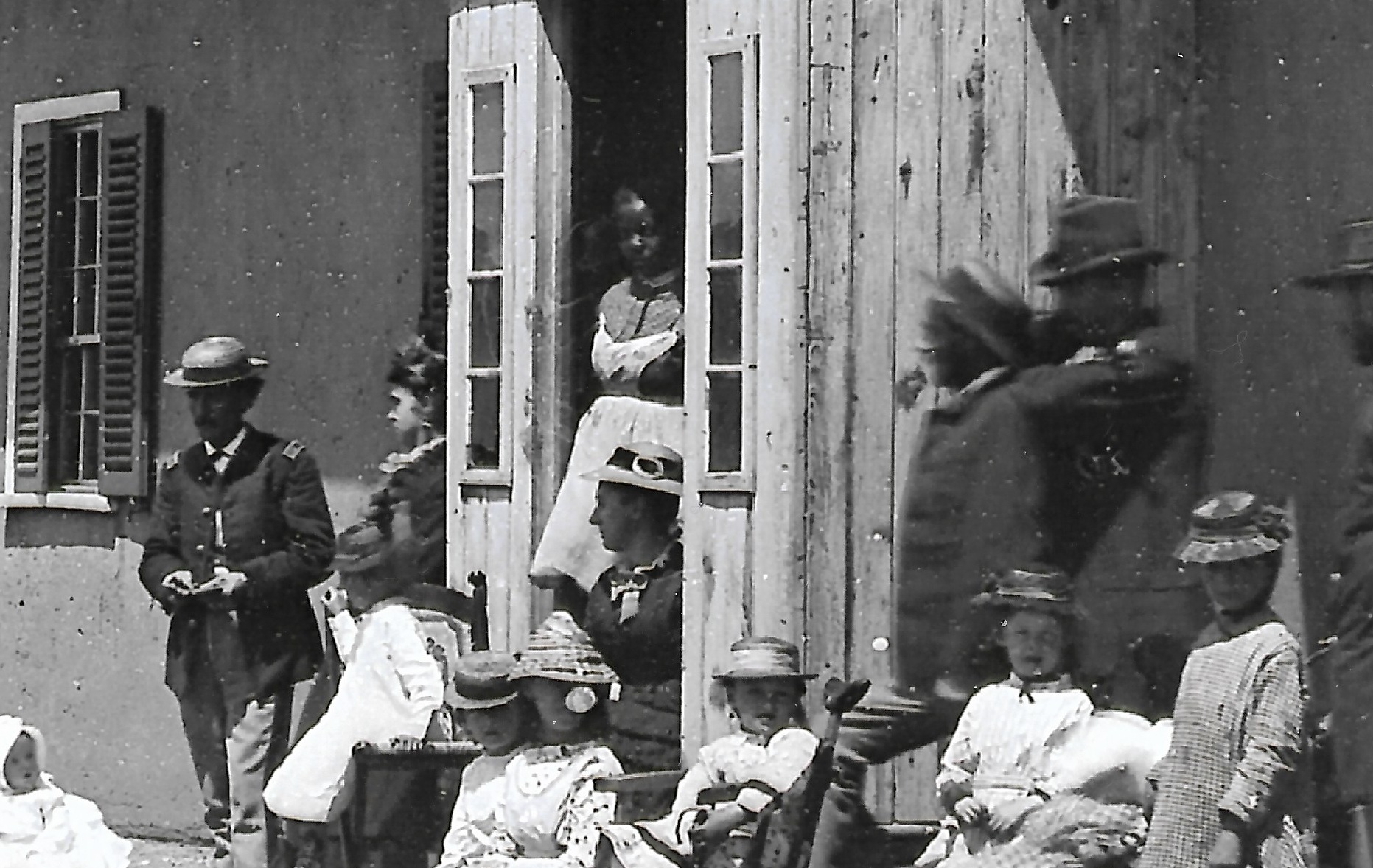
Unknown African American woman standing in the Officer's Quarters. Fort Garland, Colorado Territory (1874). History Colorado Collection.
PRESS CONTACTS
Angelika Albaladejo, History Colorado Communications and Public Relations Manager
720-541-2334 | hc_media@state.co.us
Named after the upwards of twelve courses typically served in wealthy dining rooms in the late 1800s, 12 Tablecloths is a “period room” that transports visitors back in time by transforming History Colorado spaces into multi-sensory, afro-futuristic re-imaginings of a dining table where the place settings honor domestic workers of color.
Originally opened at the Center for Colorado Women’s History and later reimagined for the Trinidad History Museum, 12 Tablecloths is now in its third run at the Fort Garland Museum. At each stop, Duplessis and her team are enriching the installation with new works of art, stories, and mementos reflecting the unique locations.
“We're honored to collaborate with Chloé to bring 12 Tablecloths to Fort Garland,” said Eric Carpio, director of the Fort Garland Museum and Cultural Center. "This powerful installation invites us to reflect on the unseen labor and lived experiences of women of color whose stories have often been overlooked. We're especially moved by how this iteration of 12 Tablecloths honors real women connected to Fort Garland during its time as an active military fort.”
Duplessis’ inspiration for 12 Tablecloths comes from decades of research into the history of domestic service and early American culinary traditions. Duplessis grew up in Louisiana, and during a visit to a plantation museum known as The Whitney Institute, she was deeply saddened to see the living conditions and harsh working environments experienced by the enslaved women and domestic workers who prepared food for the wealthy. Duplessis resolved to share their stories, and those of women from communities across Colorado.
“Through 12 Tablecloths, I wanted to create a space where visitors can engage not just as observers, but as participants in an ongoing narrative of resilience and repair,” Duplessis said. “I am deeply grateful for the opportunity to honor the lesser known experiences and contributions of Black women. In some way, curating these period rooms feels like a restorative act, and an opportunity to support community healing today.”
For each reimagining of 12 Tablecloths, Duplessis and her team examine local census data, search through archives, listen to oral histories from descendants, and collaborate with local museums. At Fort Garland, Duplessis discovered a rich history.
When Fort Garland operated as a US military outpost in the mid to late 1800s, many of the men stationed there brought along their families and domestic workers.
Josephine Stein and her daughter Arabela were born at Fort Smith in Arkansas, but later lived and worked at Fort Garland. Their names appear in the 1860 US census, when they were each 26 and 2 years old. Josephine, who is listed as a servant, carried the last name of the military man who owned her and might have fathered her “mulatto” child.
Kate Mintur, born in Virginia, was listed as a servant in the household of an officer at Fort Garland during the 1870 US census. She was listed as “mulatto” and was 33 years old at the time.
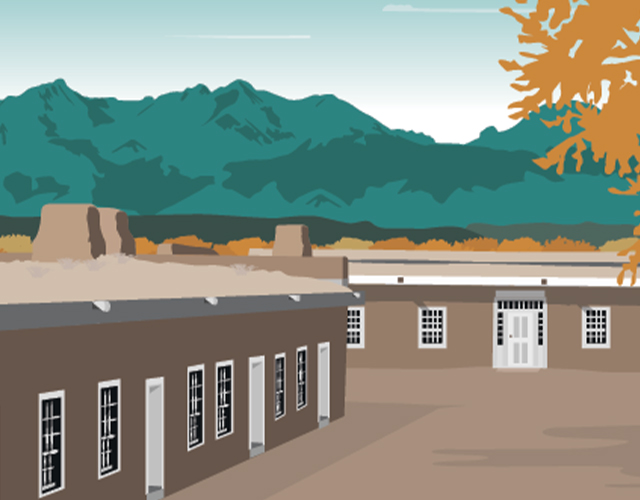
Reclaiming the stories of these women is at the heart of this installation, which will occupy the historic Sergeant’s Quarters, where high-ranking military officials once kept their offices. The room, built from adobe and stone, invites visitors to step back in time – while the art installation uses textiles, digital design and historic artifacts to shift how we think about women of the past.
The immersive space sets a table with two chairs for Josephine and Kate, and a small seat for toddler Arabela. A large, adorned tablecloth serves as a backdrop. Duplessis created the tablecloth for her original show, and continuously adds new layers to represent its travels from Denver to Trinidad and now Fort Garland.
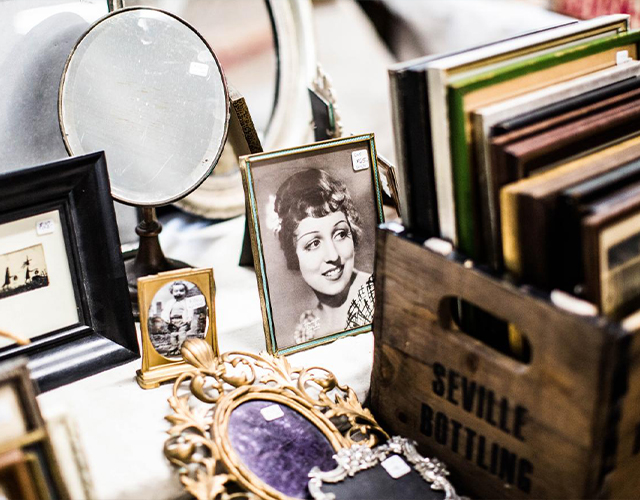
In antique frames tucked throughout the room, art collages and historic photographs and documents share more of the story. Brigadier General John Garland, for whom the fort was named, owned slaves at a time when the practice was illegal, according to a set of payment vouchers that reveal he received money from the military to support his purchase and ownership of a young woman.
A play area recreates toys popular in the 1800s, such as wooden horses and rag dolls, which Duplessis’ nine-year-old daughter Zoe handmade for the installation. These toys honor the sons of the enslaved woman owned by General Garland, who Duplessis discovered through her research, and who likely didn’t have much opportunity for play.
Duplessis also created a textile art piece called “Both Sides” – a composite of aprons with a ripped military jacket – representing how women of all experiences often find themselves in spaces where they must serve in a domestic, nurturing way while simultaneously experiencing a lack of protection for themselves.
Duplessis hopes that those who experience this historical period room will leave with a desire to learn more about their own community and family histories, and with a sense of restorative repair from honoring real people from the past.
“12 Tablecloths: Fort Garland is an offering – an invitation to sit with history, to honor the lives and stories that have shaped this place, and to imagine new ways of gathering, remembering, and healing together,” Duplessis said. “This installation reflects my commitment to storytelling as a form of care. Each object mindfully placed in the Afro-futuristic period room will serve as a space to hold memory, honor labor, and heal lineage.”
To celebrate the opening of 12 Tablecloths, the Fort Garland Museum is hosting an opening reception and artist talk on April 18 from 11 am – 1 pm, featuring a presentation and Q&A with Duplessis.
12 Tablecloths opens to the public on April 19. Access to the exhibition is included with general admission to the Fort Garland Museum and Cultural Center, which is open daily from 9 am to 5 pm and provides free admission every day to History Colorado members and children 18 and younger.
About Chloé Duplessis
Chloé Duplessis is a legally blind artist, historian and speaker whose work explores the intersections of memory, access, and material culture. Working across visual art, archival research, and historical interpretation, Duplessis centers non-visual ways of knowing—touch, sound, narrative, and embodied experience—as both method and subject.
She approaches art-making as a form of research and documentation, drawing on primary sources, oral histories, and overlooked archives to challenge dominant visual narratives of the past. Her practice explores how disability, perception, and power shape historical record-keeping and public memory.
She earned a degree in Cultural Studies from The University of New Orleans, and has traveled to nine countries and twenty-four states in support of her work. She is the creator of Denver's first visually accessible ‘I VOTED “ sticker and the 2023 recipient of the Denver Mayor’s Award for Excellence in Arts and Culture.
In 2024, Duplessis was selected to lead the Colorado Black Equity Study, a two year historical research program that will document practices and policies that have caused harm to Black Coloradans, preventing access to wealth, health, education and justice.
Chloé Duplessis presents art installations annually and speaks on the lesser-known aspects of the Black experience, the collective benefits of accessible design, and the healing power of honoring our shared history.
About the Fort Garland Museum and Cultural Center
Fort Garland was built in 1858, ten years after the Treaty of Guadalupe Hidalgo, during U.S. expansion into the west. Today, visitors can explore life in a nineteenth century military fort by walking the parade grounds and touring five of the original adobe buildings.
The Fort Garland Museum & Cultural Center – a community museum of History Colorado – offers exhibitions amplifying historically silenced narratives and encouraging reflection, dialogue, and a deeper understanding of the region’s past and its continuing impact on the present. The museum is located at 29477 CO-159, Fort Garland, Colorado, and is open every day from 9 am to 5 pm. The museum offers two dual-port accessible Electric Vehicle charging stations on site for travelers through the San Luis Valley. Visit www.FortGarlandMuseum.org or call 719-379-3512 for more information.
About History Colorado
History Colorado is a 146-year-old institution that offers access to our state’s history through enriching experiences at eleven museums and historic sites. As an agency of the State of Colorado and a non-profit organization, History Colorado is committed to serving all Coloradans through generational work that centers communities, deepens knowledge and catalyzes the transformative power of history.
History Colorado is also home to a free public research center, people-centered preservation work done by the State Historical Fund and the State Historic Preservation Office, the Office of the State Archaeologist, the State Historians Council, and many other community-driven public history projects such as the Museum of Memory. History Colorado stewards more than 15 million objects, photographs, and archival resources that make up the State’s collection, and serve tens of thousands of learners of all ages each year. History Colorado is one of only six Smithsonian Affiliates in Colorado. Visit HistoryColorado.org, or call 303-HISTORY, for more information. #HistoryColorado