
 Membership
 Donate
 Shop
Shop





















The Rule of Three
Untangling a century of salacious gossip and discovering the real relationship between Bulkeley Wells, Louise Sneed Hill, and Crawford Hill.
It has been over 100 years since the social leader of late-nineteenth and early-twentieth-century Denver, Louise Sneed Hill, and her supposed lover, mining investor and engineer Bulkeley Wells, last spoke to one another.
Since their parting of ways, their story has been scandalized and persisted through ensuing generations. Only a few more unsavory or notorious elements of this story are well known today, such as the story that at Denver Country Club parties Louise and Bulkeley would leave together to “disappear upstairs.” While some are fact, such as a life-size portrait of Bulkeley that was displayed in the entryway of the home Louise shared with her husband Crawford Hill—while Crawford’s smaller, head-only portrait hung beside it—others are simply stories that have been accepted as fact. Since the death of Crawford Hill in 1922 and Bulkeley’s marriage to a much younger woman in 1923, many have speculated about the relationship between Louise Hill and Bulkeley Wells. But how did Crawford fit into this picture?
A great deal of what is publicly known about the supposed affair is based upon myth, rumor, oral history, and limited documentation. The well-known and generally accepted narrative is that Louise and Bulkeley were lovers who pursued a torrid love affair and flaunted it in front of Crawford’s face. Crawford supposedly turned a blind eye and tolerated this blatant disrespect and disgrace to his marriage. In reality, there does not appear to be any evidence that suggests this version of the story is factual.
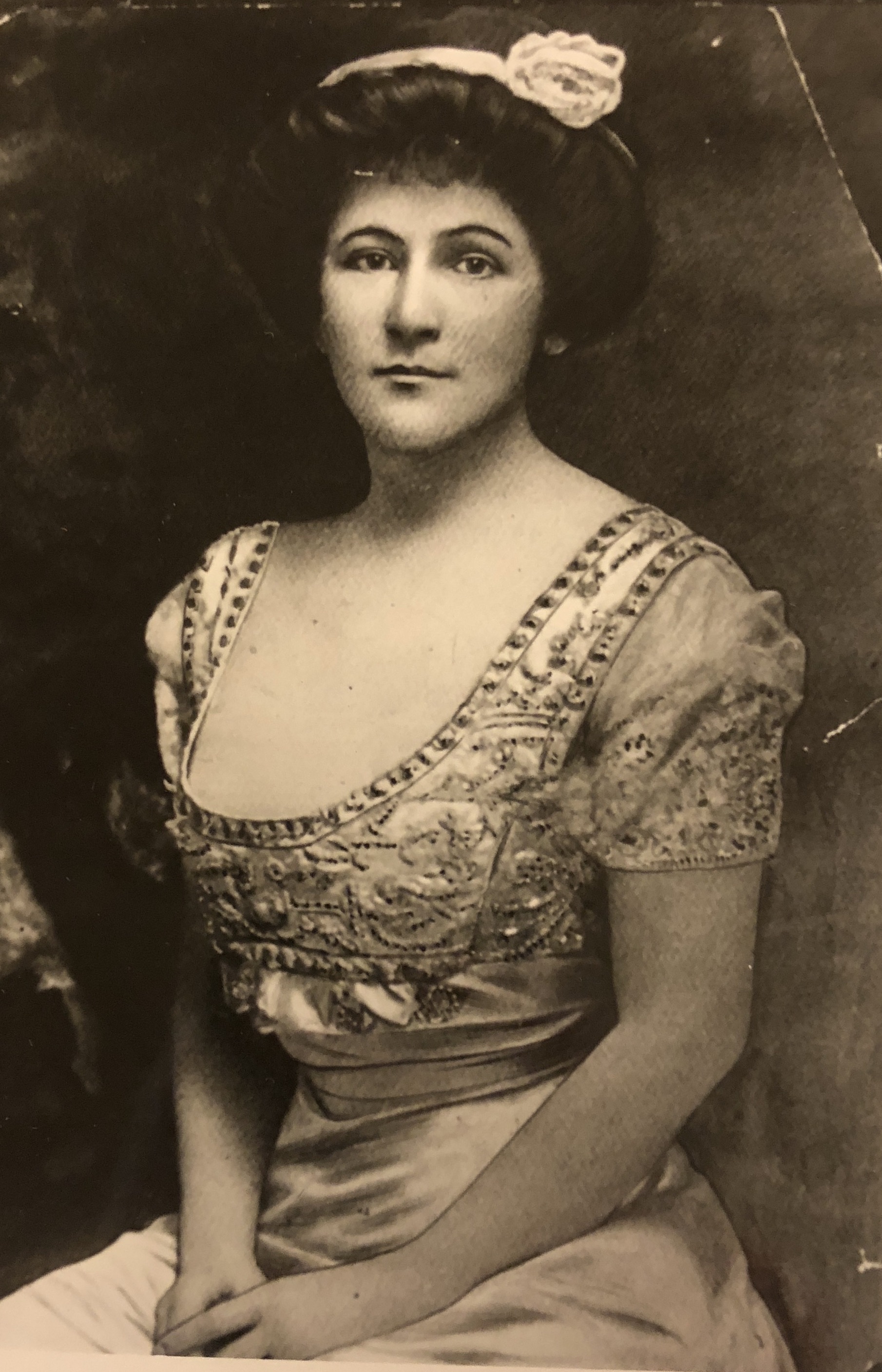
Portrait of Louise in her younger years.
Rather, sources suggest the relationship between the three was terribly complicated and not as we understand it to be. Within the files at Denver Public Library and History Colorado, there are wills and letters that shed some light and scratch the surface of this relationship. The three were not just a tight trio of dining or traveling partners, but were intimately linked through personal correspondence, financial, and legal documents.
When the Hills were having trouble with their sons in school it was Bulkeley they called upon to help. When the Hill children wished to join a new club or society in school they would explain to their parents how joining would increase their likelihood of being more like Bulkeley. We may never know all the explicit details of this unique bond but what we can say for certain is that the connection between this deeply involved trio was far more intricate, meaningful, and extensive than it ever appeared to be, and it may have crossed cultural, societal, and sexual norms of the time.
Backgrounds and Connections
It is unclear how Wells and the Hills first became acquainted, but it is reasonable to assume it was either through social engagements, club membership, mining interests, or a combination of the three. Though the Hills were ten years older than Bulkeley, they were at the same stage of life at the turn of the twentieth century and had a great deal in common. They were married the same year, had children the same age, possessed similar business interests and investments, and were involved in the small social circle that was Denver High Society.
Bulkeley Wells was an influential mining investor, hydroelectric engineer, and polo player. He was regarded as an intelligent, glamorous, and handsome man and, at the beginning of his career, seemed to be destined for greatness. Wells was born March 10, 1872 in Chicago, Illinois. He attended the Roxbury Latin School in Boston, Massachusetts before earning his engineering degree from Harvard University. On October 16, 1895, Wells married Grace Livermore, the daughter of Colonel Thomas Livermore, a well-known lawyer who had amassed a fortune from mining properties. Livermore was an investor in the Smuggler Mine in Telluride, one of Colorado’s wealthiest and most famed gold mines, and Bulkeley began working in the mining industry with his father-in-law. Soon after their marriage, Bulkeley and Grace started a family and had four children together.
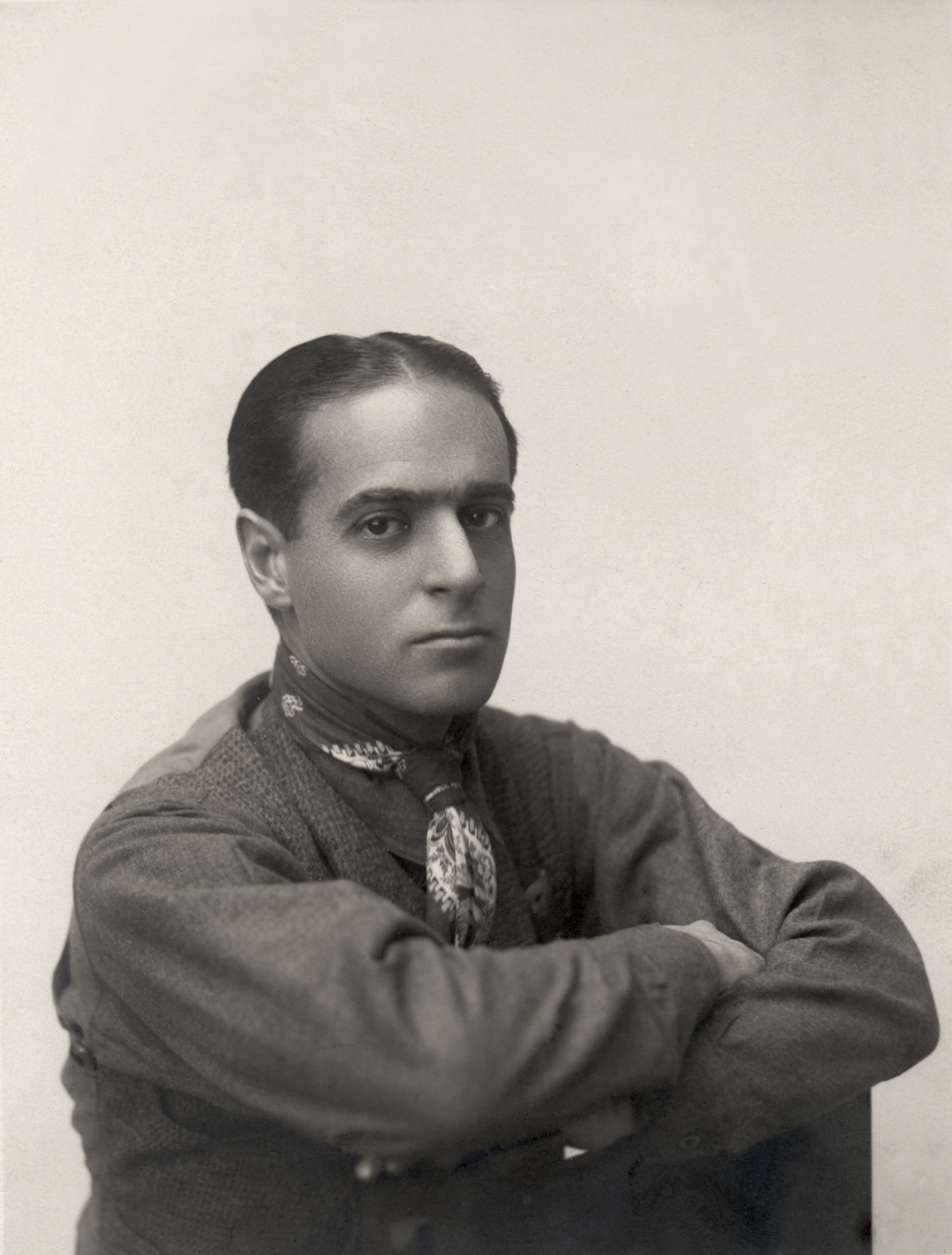
Portrait of Bulkeley Wells as a young man.
Crawford Hill was a successful businessman, philanthropist, and capitalist. Born on March 29, 1862 in Providence, Rhode Island, he was the first-born child, only son, and heir to the fortune and business enterprises of his parents, Alice Hale and Nathaniel P. Hill. In 1867, his family moved to Black Hawk, Colorado where Crawford was educated locally before attending the English and Classical School in Providence, Rhode Island and finally Brown University, his father’s alma mater (Nathaniel Hill was also a chemistry professor at Brown and established their first chemistry lab). In 1893, Hill was introduced to the vivacious Southern belle, Louise Bethel Sneed.
Louise Sneed was born between June 28 and July 1, 1862 in Granville County, North Carolina. The youngest of six children, her mother died when she was an infant and she was raised by her father, stepmother, and older siblings in North Carolina and Tennessee. She had family in Colorado and traveled to stay with them in 1893. It was at a party hosted in her honor where she met Colorado’s most eligible bachelor, Crawford Hill.
Crawford and Louise announced their engagement in November 1894 and married on January 15, 1895. After their nuptials, the Hills settled at 1407 Cleveland Place, a home purchased for the newlyweds by Crawford’s parents.
After the birth of their two sons, the family constructed a three-story French Renaissance mansion at 10th Avenue and Sherman Streets, and it was in that home that Louise cemented the family’s social position as the leaders of Denver’s elite set, the “Sacred 36.”
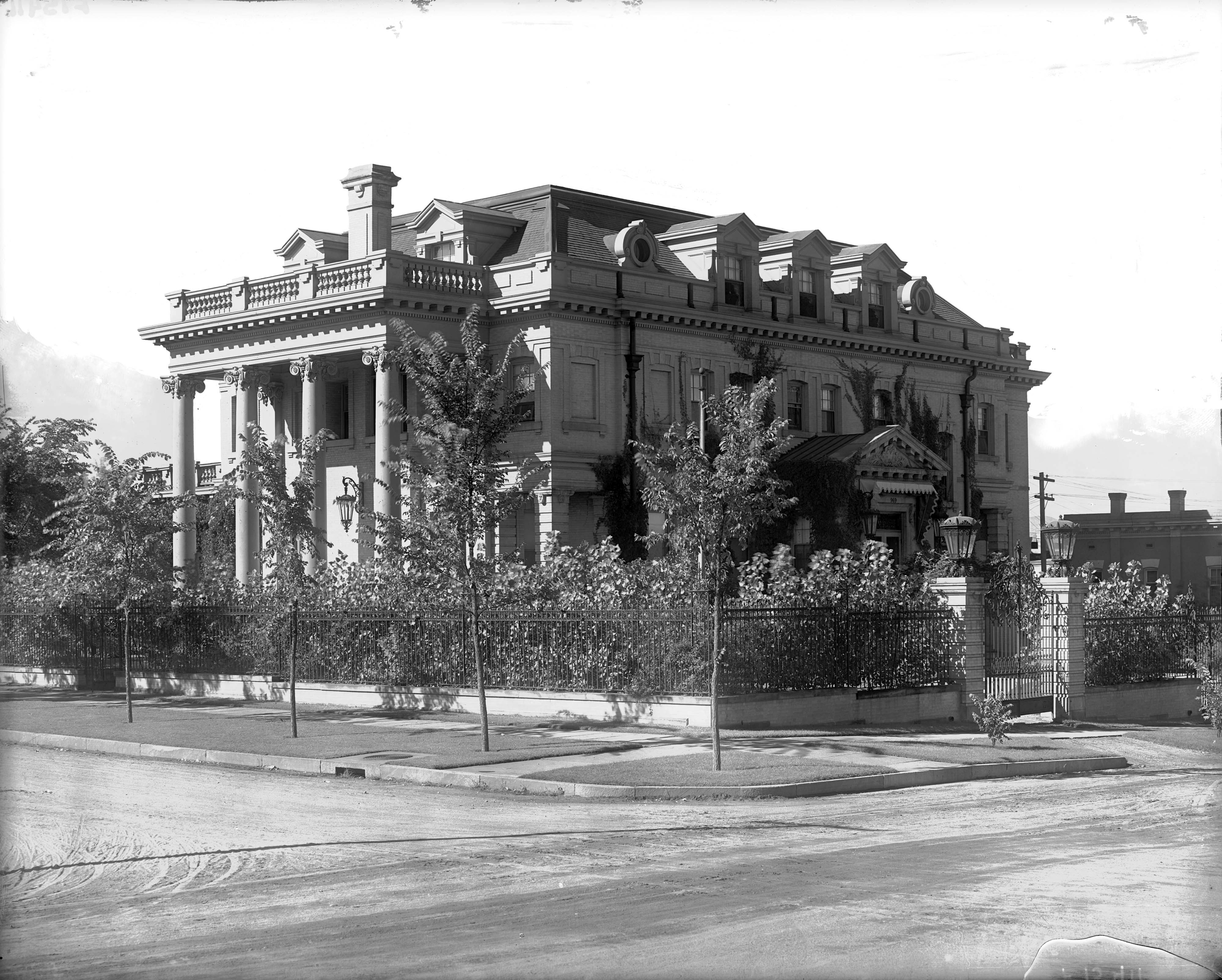
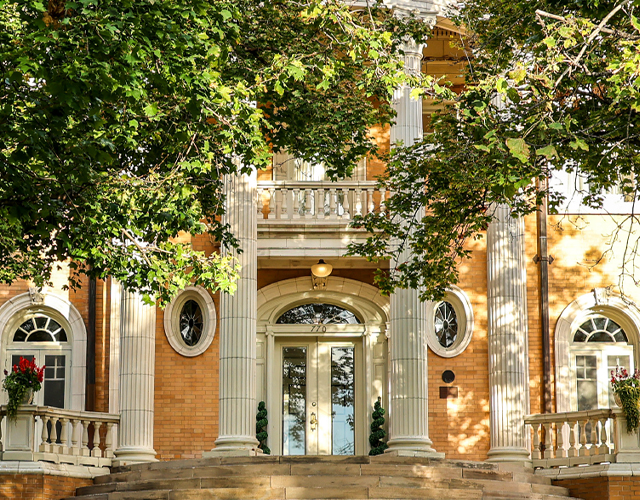
The exterior of the Hill Mansion.
A Family Affair
While the Crawford Hills made their home in Denver, Bulkeley Wells traveled extensively and at various times lived in Colorado Springs, Denver, and Telluride. Grace Wells spent much of her time in Boston with her family, leaving Bulkeley to travel solo for his various business interests in Colorado, Wyoming, New York, and California. With Grace frequently separated from her husband, Louise, Crawford, and Bulkeley became a tight trio. Not only did they attend social gatherings together in Denver, they began traveling together and spent some winters in Palm Beach, Florida.
The public social dynamic of the threesome was interesting. While they would all attend events together, at times it could appear outwardly confusing as to who was with whom. During a 1912 costume ball the three were attending, Louise’s mermaid costume did not match that of her husband Crawford’s court costume but rather paired well with Bulkeley who was dressed as a “lone” fisherman who the papers noted was just “playing the part” of being alone, adding “you understand, not really.”
As a trio, Louise, Crawford, and Bulkeley had many close friends in the Denver social scene. While Crawford tended to fade into the social shadows, Louise and Bulkeley were noted to be glamorous, animated conversationalists who possessed large, enthusiastic personalities. In essence, together they were the life of the party.
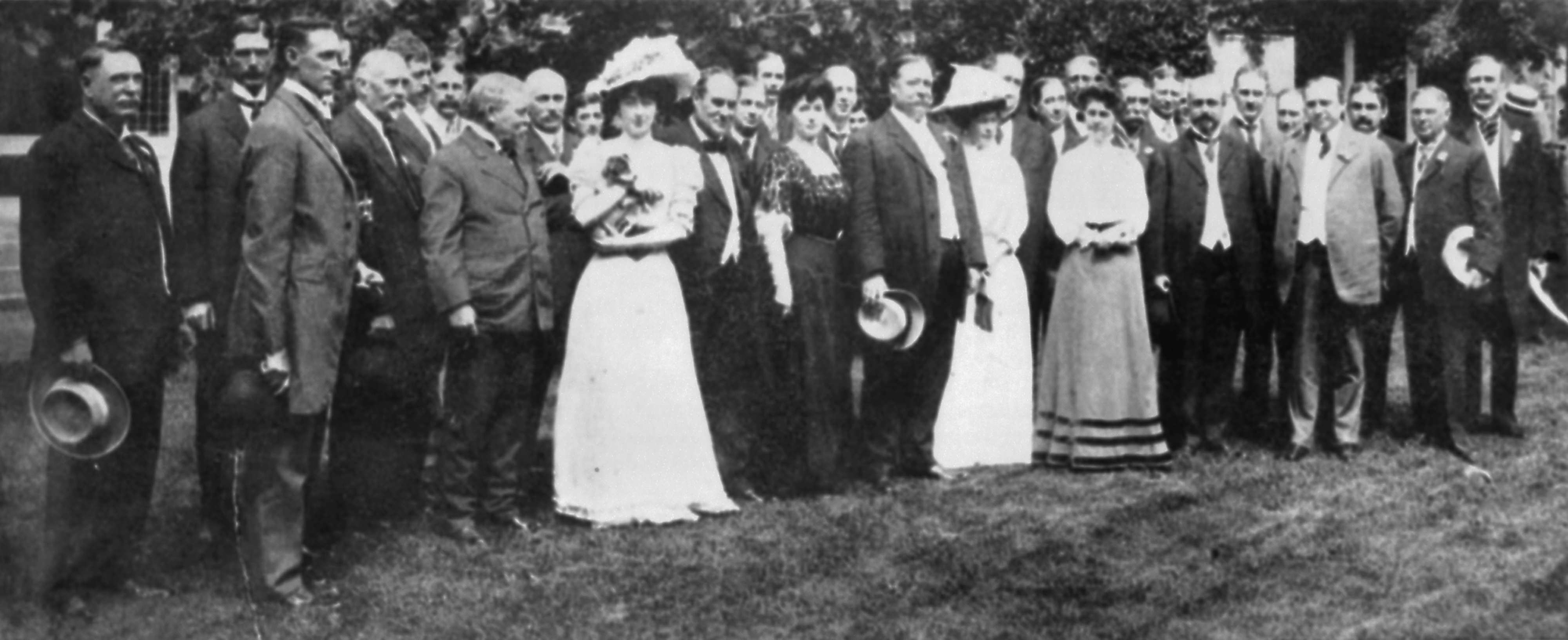
Louise and Crawford at a gathering with friends (including Evalyn Walsh McLean, the last private owner of the Hope Diamond) in 1907 at Wolhurst in Littleton.
One of their many social companions was Louise’s best friend, Louisa Addison Hughes Morris. Historians have often attributed the “Sacred” title of the thirty-six names to an untitled newspaper interview a journalist conducted with Morris. Supposedly, Morris responded to the journalist’s question by stating: “Goodness, you’d think we were sacred, the way you were asking.” The journalist apparently titled the story that followed “Party at Mrs. Hill’s for the Sacred 36” and the general public referred to the group of social elites as such from that moment forward. While Louise Hill was the recognized leader of the Sacred 36, Louisa Morris was, as the Denver Post relayed in 1910, a “power that h[eld] things together” for the group.
Morris, the Hills, and Bulkeley Wells were noted in the society columns as attending many functions together. Columnists wrote that the foursome displayed such merriment when out in society as a group. The Post stated in 1906 when the group attended a theater performance in the Hills’ box that “great stories and sharp witticisms must have been handed among the quartet, for there was a continual buzz and occasionally all laughed.” When Louisa Hughes married P. Randolph Morris in 1906, Louise, Crawford, Bulkeley, and their children were in the bridal party. Louise served as the bride’s matron of honor, Crawford and Bulkeley were ushers, and the Hills’ and Wells’ boys held the train of the bride.
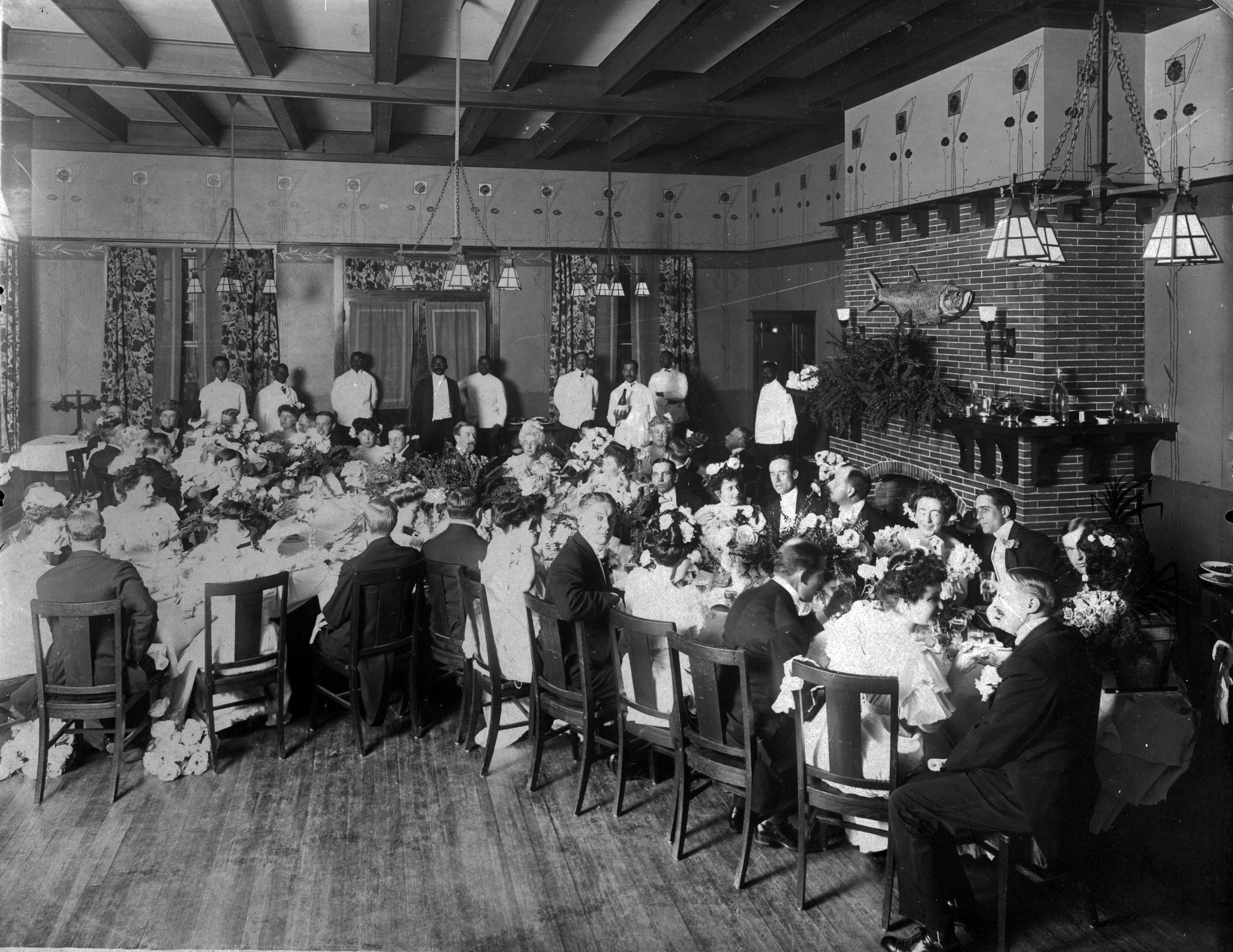
The Sacred 36 at a dinner party at the Denver Country Club.
Nathaniel and Crawford Hill Jr. thought very highly of their parents’ friend, Bulkeley, and he was someone Louise and Crawford appeared to encourage their sons to emulate and look up to. They entrusted their sons into Bulkeley’s care in Telluride, he assisted in their travel and social arrangements elsewhere, and they occasionally spent vacations from school with the Wells children. While on these trips, Nathaniel and “Little Bulkeley,” as Nathaniel fondly referred to him in letters, would spend time with the Livermore and Wells grandparents, deepening the family ties.
In 1912, while attending St. George’s School in Newport, Rhode Island, Nathaniel wrote home to his mother informing her of his interest (and asking her permission) in joining the Aeroplane Club. “You wonder why?” Nathaniel wrote to his mother, “You will agree with me when I tell you the man who holds your interest when talking to you, and is the most attractive is the man who is well read and well informed… take Bulkeley Wells. I shouldn’t suggest that he is quite as keen a thinker as Sir Isaac Newton but I will wager my hat that he is much more attractive and interesting.” The letter continued, “I am sure you will admit that if you are in a mood to talk about books Bulkeley is very good company, and the same with practically all other subjects, simply because he is so well informed.” Nathaniel continued to explain to his mother that joining the club, while not as sophisticated perhaps as Greek Philosophy or the study of Latin, was terribly interesting and would expand his mind to aid him in being a more attractive, well rounded, well informed young man. It would make him more like Bulkeley.
This letter suggests that Wells was someone Nathaniel’s parents had encouraged him to look up to. He was clearly seeking approval from his mother in this letter and he felt the best way to appeal to her senses was to express just how much this club would mold him into a man like Bulkeley.
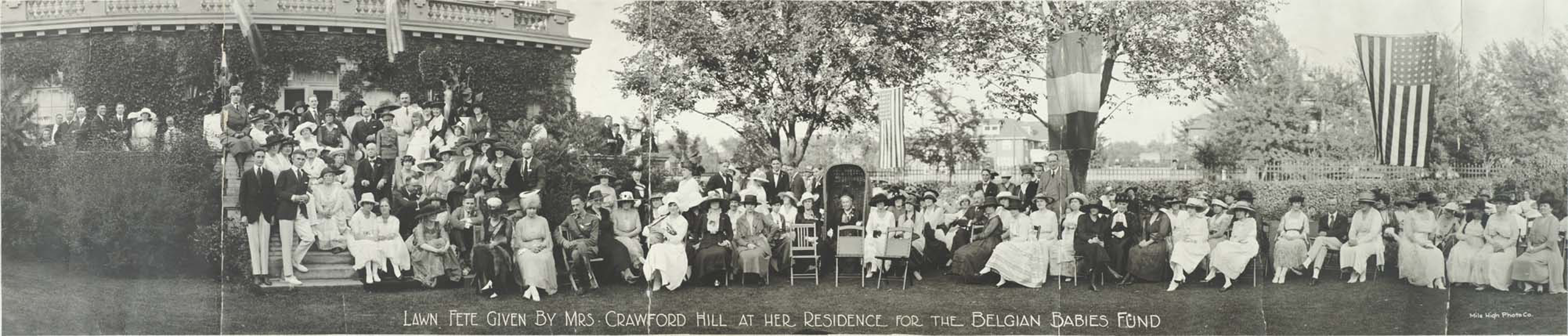
Attendees of a lawn fete in the backyard of her Sherman Street home, hosted by Louise with the Junior League, in support of the Belgian Babies Fund.
The interest in Bulkeley as a role model was not purely intellectual or social. The Hills also trusted Wells with the wellbeing, safety, and rearing of their children should anything happen to them. In an early copy of Crawford Hill’s will, when his children were still minors, he named Bulkeley Wells as an executor and administrator of his estate and guardian to his children should his wife predecease him. While Bulkeley was not the only individual named in this role (Louise’s brother-in-law was also named), it emphasizes the intimacy and trust the Hills placed in him and put Bulkeley on the same level as Louise’s sister and brother-in-law, who had helped raise her.
While there is limited correspondence from Crawford to Wells that remains, by piecing together the fractured pieces we can reveal a clearer picture of the intertwined nature and depth of their relationship.
On many occasions in Crawford’s correspondence with his sons, he makes casual references to Bulkeley Wells, suggesting it was commonplace for Bulkeley to be involved in the personal matters of the Hill family. In fact, Crawford often enlisted Bulkeley’s assistance with ensuring the well-being of his sons. Even when their troubles were as extreme as potential threats of extortion, the potentially immense task of protecting the moral and financial character of the family was, at times, entrusted to Wells.
In one instance, Nathaniel had an encounter with women his parents deemed to be of questionable character, which greatly alarmed them. In a letter to Nathaniel, Crawford Sr. wrote that he and Louise were troubled by letters Nathaniel was sending to women he deemed “adventuresses, on the make.” Crawford let Nathaniel know that he and Louise were fearful as the family was now at risk of blackmail.
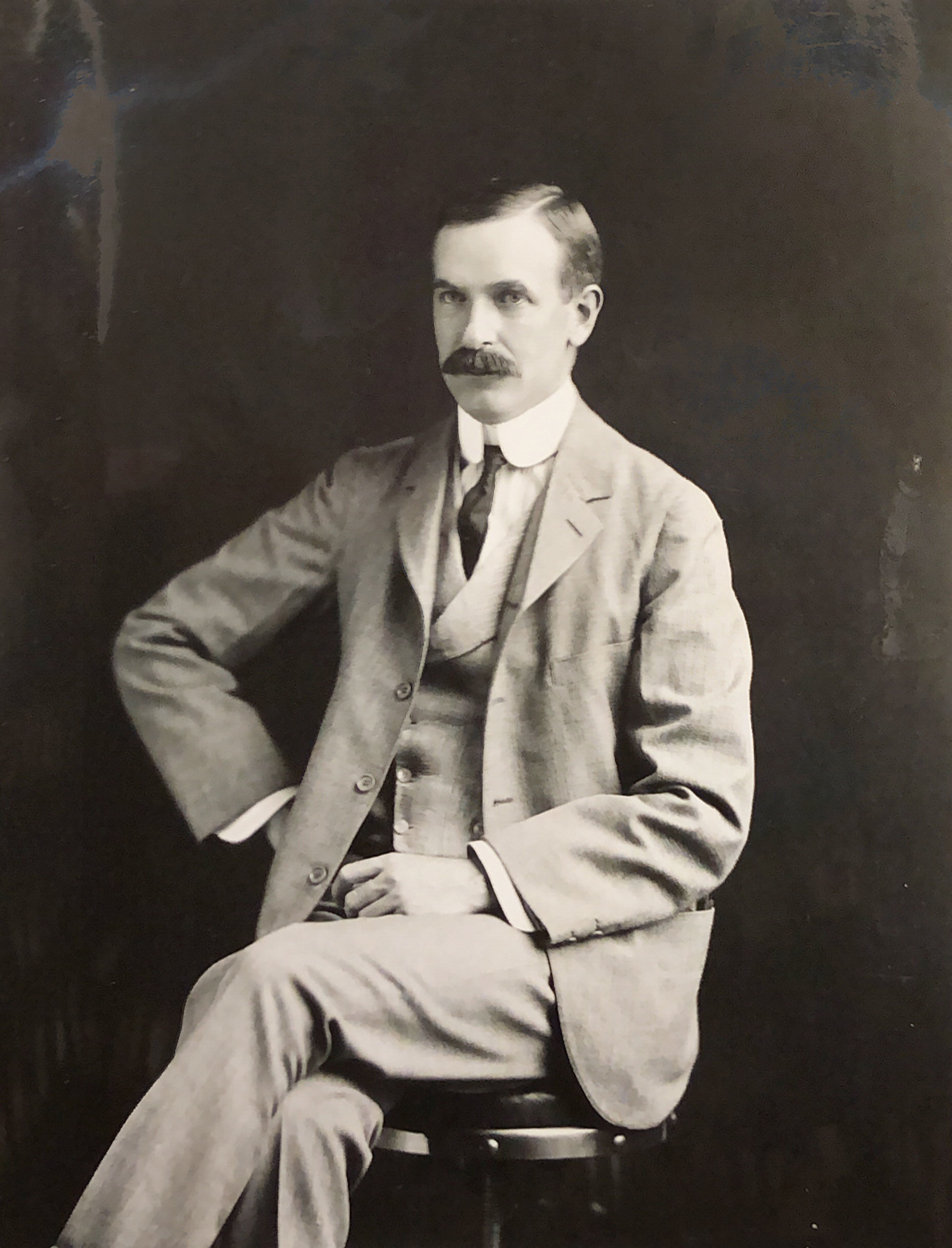
Portrait of Crawford Hill.
Crawford Jr., on the other hand, was dismissed from Harvard. Though perhaps a mere coincidence, it is interesting to note that instead of attending his father and grandfather’s alma mater Brown University, Crawford chose to attend Bulkeley’s former school. Crawford Sr. penned his son that he would do his best to get him reinstated but decreed he “must entirely abandon the life [he] led in the past and work, work, work, for nothing else until [he] can hold up [his] head among men and be a credit to [his] name.”
These letters carry a heavy weight. At the turn of the twentieth century, scandalous circumstances could ruin a family’s reputation, and for a family as prominent as the Hills it could be devastating. The world was changing, and there were new politics of elite sociability that needed to be carefully traversed. The Hills were of the highest social class with Louise Hill reigning as the social leader of Denver society, and with that privilege came a high standard of social mores. They had to remain consistently alert and mind the restrictive rules set forth by the tightly-policed circle of high society. For the Hill family, the maintenance of their reputation as a good family was essential.
With these two very high-stakes situations for the Hill family as examples of troubles that needed to be seen to, it is very telling that they would turn to Bulkeley Wells to ensure the status of their family remained intact.
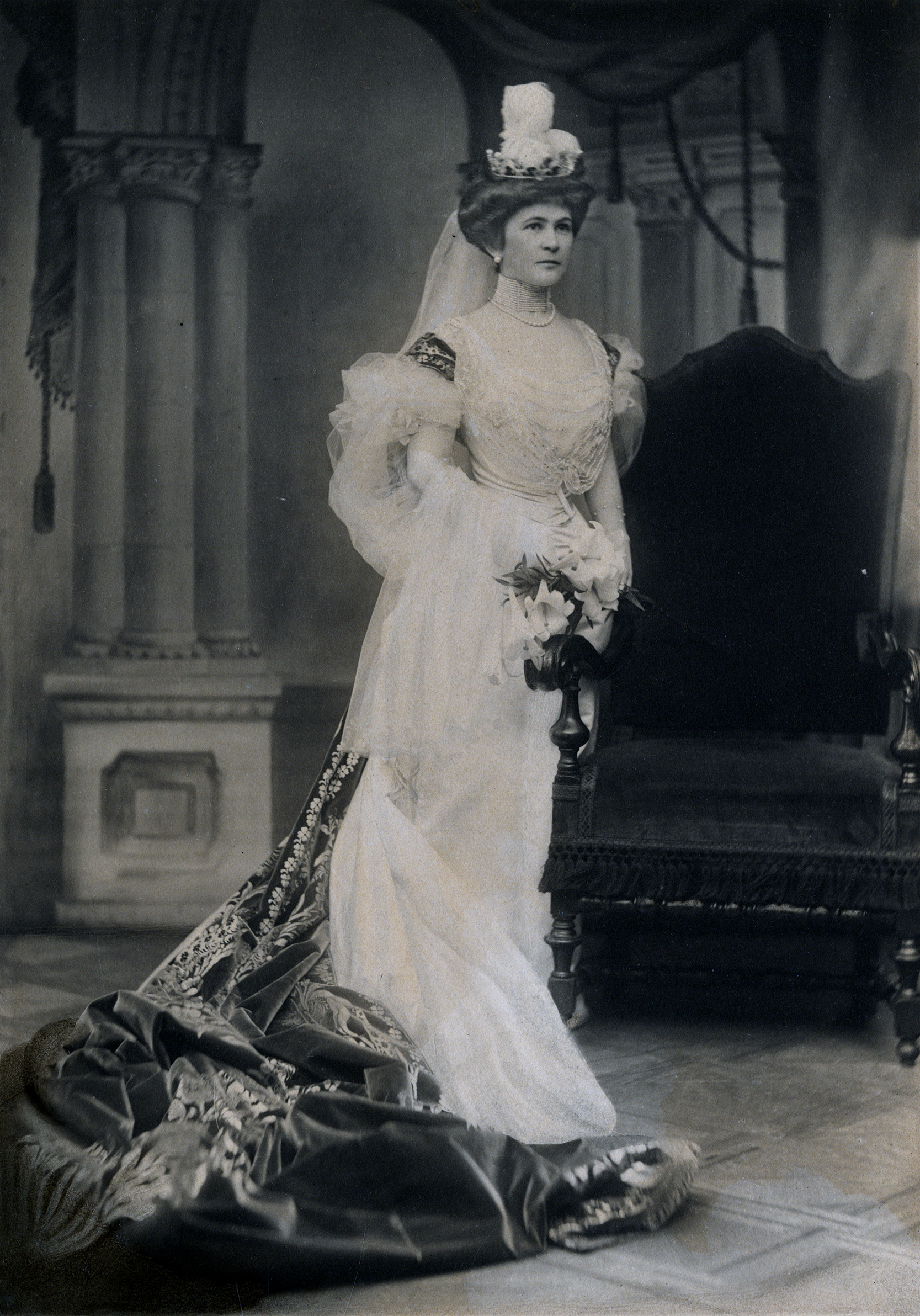
Louise in her white satin gown crafted for presentation to King Edward VII in London. The gown was embroidered with diamonds and had a train of red velvet, heavily brocaded with gold.
Finances, and Fractions
By 1920, the finances of the Hills and Bulkeley Wells were also inexplicably tied. When one of Crawford Jr.’s acquaintances returned from the First World War, the Hills and Wells sent him funds. The accompanying letter ended in a personal note, written in pencil below Crawford Hill’s signature: “Perhaps I have not made it clear, but this remittance,” as with all other personal matters in their interwoven trio, “is equally from Mr. Wells, my wife + self - each a 1/3 rd.”
A letter from later that same year discussing a mistaken charge to a bank reveals that Wells and the Hills were seemingly sharing multiple bank accounts. In the letter, Crawford went so far as to apologize to Bulkeley for a mistake he made with the accounts, promised Bulkeley that he would be “more methodical in the future,” and closed the letter by signing “as ever devotedly your friend.” Included in his collection of letters near this entry was a page of dates listing purchases and their cost. At the top of the page it was titled “Statement for B.W.”
It is unclear exactly when or why the mingling of finances began, but Crawford clearly relied on Bulkeley. He did not simply seek friendship, an intimate level of companionship, or even classify him as a trusted mentor to his sons; he trusted Wells with things as significant as his wealth and reputation. For a man of his time, that would have meant everything to Crawford Hill.
From this evidence, we can reason that to each member of the Hill family Bulkeley represented something special, and it seems clear that he was more than a rumored lover—for all intents and purposes he was family.
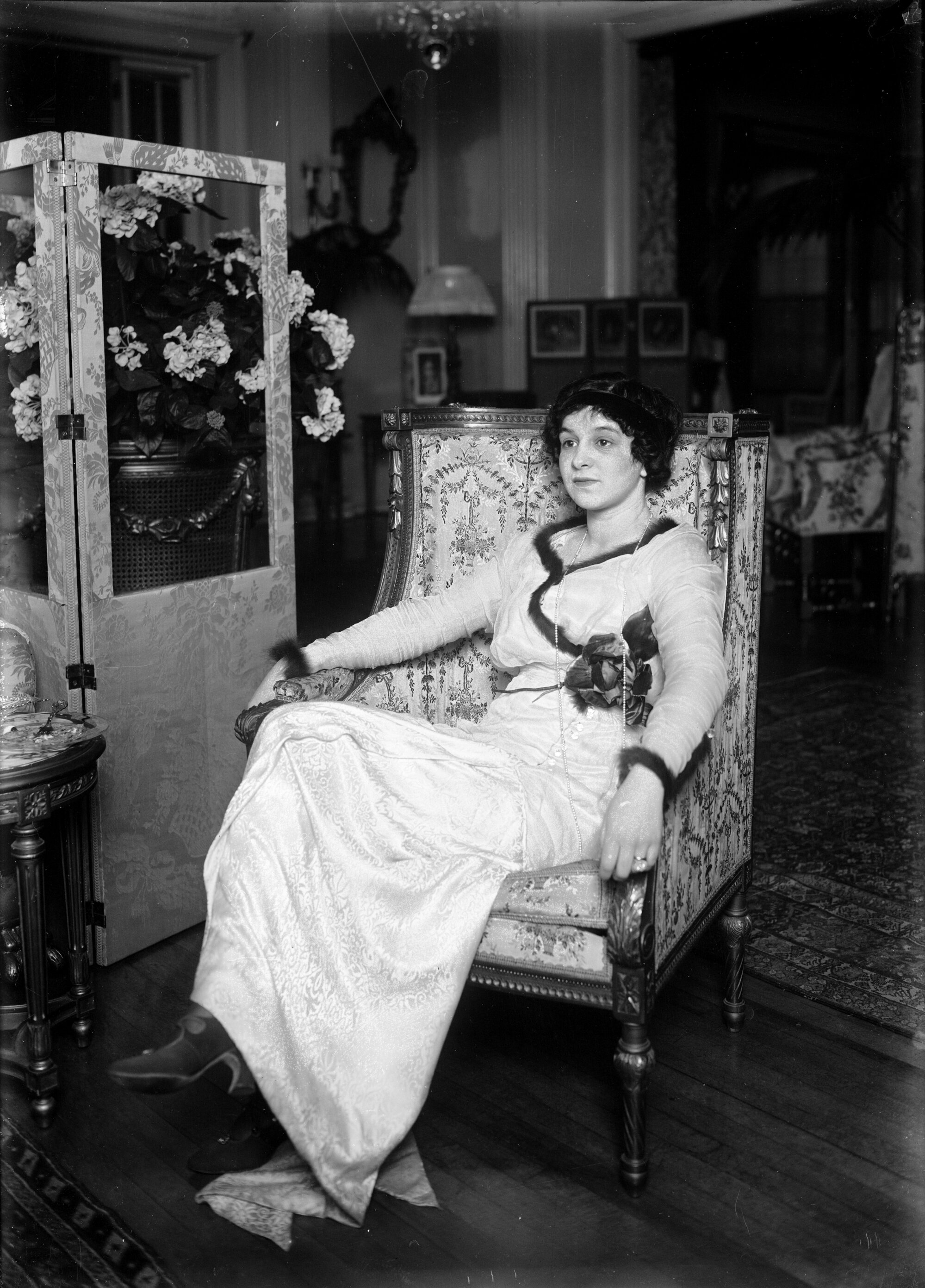
Louise relaxing in a chair in her home, captured by close friend and Rocky Mountain News photographer Harry Mellon Rhoades, around 1910.
The Beginning of the End
While the trio were unaware of it at the time, the events of 1918 initiated the beginning of the end of their triad. Despite all the trust the Hills heaped upon him, Bulkeley had an affinity for gambling and experienced a series of misfortunes that began with his 1918 divorce. His wife Grace cited desertion as her reasoning and local papers at the time explained this was due to Bulkeley’s varied business interests that required him to be away from home frequently. After his divorce, Wells moved into Louise and Crawford’s old mansion, their first marital residence, on Cleveland Place in Denver. He became estranged from his first wife and children and at his daughter Dorothy’s wedding in 1921, he did not walk her down the aisle. That honor was bestowed upon her eldest brother.
Bulkeley was pursuing new business ventures at this time, and he turned to someone from his past. In the beginning of his career, his fondness for gambling at private men’s clubs in New York led him to meet Harry Payne Whitney, who was impressed by Wells’s confidence during high-stakes games. Soon they were friends and business partners, as Whitney invested millions in mining ventures in the West through Bulkeley Wells. Some of those funds supplied by Whitney were used by Wells in his attempt to restore the Comstock Mine in Virginia City, Nevada.
During his time there, Bulkeley met a charming young woman twenty-five years his junior (a year younger than his oldest son) named Virginia Licking Schmidt whom he supposedly fell violently in love with.
It is unclear how their relationship developed as Bulkeley frequently traveled, maintained his residence in Denver, and in 1921 decided to relocate his business headquarters to San Francisco. Interestingly, in July 1922, Louise and her younger son Crawford Jr. traveled to Virginia City with Bulkeley and one of his investors to inspect his mining investments. This visit raises many questions. Why was Louise present? Did she have investments of her own or was she simply there to show her support in Bulkeley’s endeavors and encourage other investors? Did she and Virginia Schmidt cross paths in Virginia City? These answers are unclear but the fact that this trip occurred confirms that in the summer of 1922, the Hill family was still very much connected to and in full support of Bulkeley.
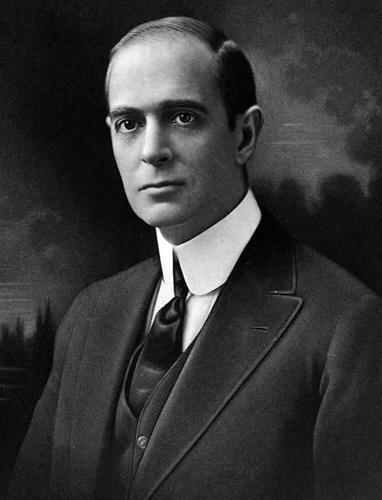
Portrait of Bulkeley Wells.
Around the same time Wells’s personal life was turning upside-down, Crawford began to struggle with his health. In 1919, he suffered “a very serious illness,” and in 1920 he suffered either a breakdown or a stroke. He attempted to regain his strength, but he never fully recovered. He suffered for two years before taking a turn for the worse and finally succumbed to illness at the age of fifty-seven on December 22, 1922.
Rumor has it, after Crawford passed, Denver Society rather expected Bulkeley to marry the widowed Louise. But four weeks later, Bulkeley Wells married Virginia Schmidt in Salt Lake City, Utah. According to The Denver Post, friends and business associates were alerted of the union through “curt telegrams.”
Their marriage came as a shock to all who knew Wells in Colorado, including Louise Hill, who was emotionally devastated. For decades the three of them had been inseparable, and in the span of a month, she had lost the love, support, and companionship of both men. Just as Bulkeley had done with his first wife and children, he apparently deserted Louise. Whether this was due to his own personal grief, a mid-life crisis, or he simply wished to move on with his life, we may never know. Unfortunately for Louise, the death of Crawford and abandonment by Bulkeley was something she had to process alone, and she never spoke of it.
Some claim that Louise was a “scorned woman” and retaliated by convincing Harry Whitney to retract his financial backing of Wells. In reality, Bulkeley’s investments were failing and he lost between fifteen million and seventeen million dollars of Whitney’s money in bad investments. Though he retired as head of Whitney’s mining investment company in 1923, Wells and Whitney were still connected through other investments until 1931. Consequently, it is unreasonable to assume it was Louise who convinced Whitney to remove his financial backing. Furthermore, it does not seem plausible that Louise spent eight years attempting to convince Whitney to pull his full support before he finally agreed. It’s far more likely that Wells’s loss of financial backing was due to his high-risk investments not paying off.
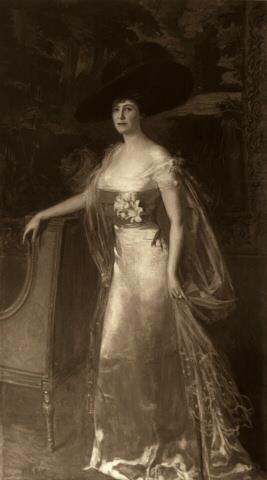
Louise’s favorite portrait. Once displayed in her Sherman Street mansion, it is now on view at Rosecliff Mansion in Newport, Rhode Island.
Despite the estrangement, the Hill family hired Bulkeley’s former personal secretary and close associate, Otto H. Liese, as the secretary and treasurer for the Hill Land and Investment Company. He then became Louise’s personal secretary and agent in charge of her affairs until the end of her life. In later years, when the Hills were looking to hire personal and household staff they would make notes if the applicants “knew BW.” While Louise and Bulkeley never spoke again, she was plainly willing to remain connected to him. For Louise to trust someone to that level who was so connected to a person who seemingly betrayed her suggests that rather than wanting to ruin Bulkeley, she desired to hold on to him by any small piece she could retain.
While Bulkeley was struggling professionally, he seemed to be doing well personally. His marriage to Virginia appeared to be successful at the outset. Virginia Wells was a university graduate who was “devoted to outdoor sports,” and though she was from a prominent family she held “contempt for the frivolities of society.” Blonde, vibrant, and unconcerned with high society, she seemed in many ways to be Louise Hill’s opposite. While the Denver Post gossiped that the new Mrs. Wells would “play a prominent part in the social life of [Denver],” in fact the Wells don’t seem to have spent much time in the Mile High City. By 1924, they no longer had a Denver address, and by 1930, the new, growing Wells family was residing in Nogales, Arizona. Bulkeley and Virginia welcomed a son and daughter, and the family was living comfortably. He even reconnected with one of his sons from his first marriage, who had become a mining engineer in Arizona and lived nearby.
But by 1931, Bulkeley’s financial situation had become dire. There was a drop in silver prices and his investments were not doing well. Once a millionaire, he was abruptly bankrupt. Penniless, he apparently felt a stroke or madness was imminent, which led him to make a drastic decision. Bulkeley left his wife and two young children behind in Arizona and went to live at a club in San Francisco. On the morning of May 26, 1931, at the age of fifty-nine, Bulkeley committed suicide in his San Francisco office.
His funeral was quiet. The Denver Post reported there was “no long list of honorary pallbearers” nor “masses of flowers to express regret…just quiet and the peace after the storm. For Bulkeley Wells, his fortune swept away, came to the end of his life almost alone.”
Conclusion
The story of Crawford, Louise, and Bulkeley is one full of love, admiration, connection, and deep emotional wounds that never fully healed. In many ways, examining the evidence leaves us with more questions than answers.
While it is clear that Louise, Crawford, and Bulkeley were emotionally intimate, it is difficult to say with certainty whether that closeness manifested itself physically. The relationship between the three could have been nothing more than devoted friendship and entirely platonic. To a modern eye perhaps this relationship would not even seem particularly interesting, but it is key to remember for the context of the time that the closeness between the three would have been quite foreign and surprising. To those in Society at the turn of the twentieth century, it would have been rather unimaginable to so publicly have a third person involved in a marriage, regardless of the exact nature of that relationship.
Still, the narrative that Louise and Bulkeley were having an affair persists, making it even more important that we look at the reality of the situation instead of relying solely on century-old gossip.
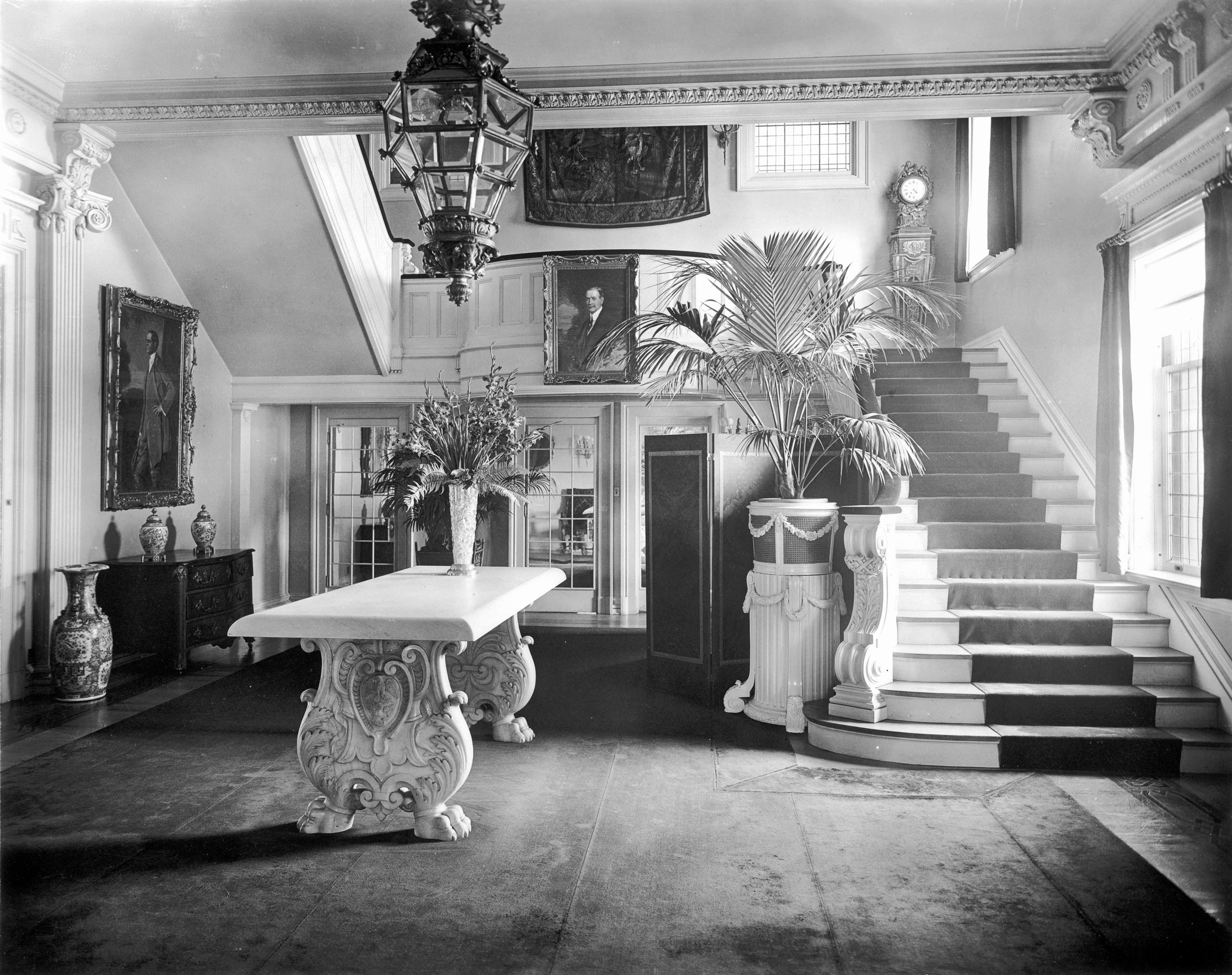
The interior of the Hill Mansion. To the left is the life-size portrait of Bulkeley Wells and nearby is the smaller portrait of Crawford Hill.
We can only speculate as to why the rumors began but perhaps this story started as a way to make sense of the relationship between Bulkeley and the Hills; that an affair was the only imaginable way to justify their relationship.
In the personal lives of married couples at this time, it was common for sexual activities to be kept to a minimum and, even if this led to unhappiness, divorce was not an option. Most marriages in Society were also made for political, financial, and social reasons, not for love. As a result, affairs were rather common, and it is understandable why individuals of the time who knew Louise, Crawford, and Bulkeley might assume that this was the only explanation for their situation.
Louise and Bulkeley were noted to be larger than life personalities, frequently seen out in Society enjoying each other’s company while Crawford tended to fade into the background. Identifying this as a simple love affair would be reasonable to the outside eye. Their story, however, was not that simple.
In many ways, it seems that the Hills’ marriage was composed of three people, instead of only two. Bulkeley Wells was a part of their household. We cannot know the exact nature of their relationship—if Wells’s affection for either or both was simply platonic or also physical—but he was clearly intimate, even if only emotionally, with both Louise and Crawford Hill. He was intertwined, deeply, with both husband and wife, and together they formed an impressive and powerful trio. For decades they worked equally. As Crawford himself wrote: Mr. Wells, my wife, and myself—each a third.
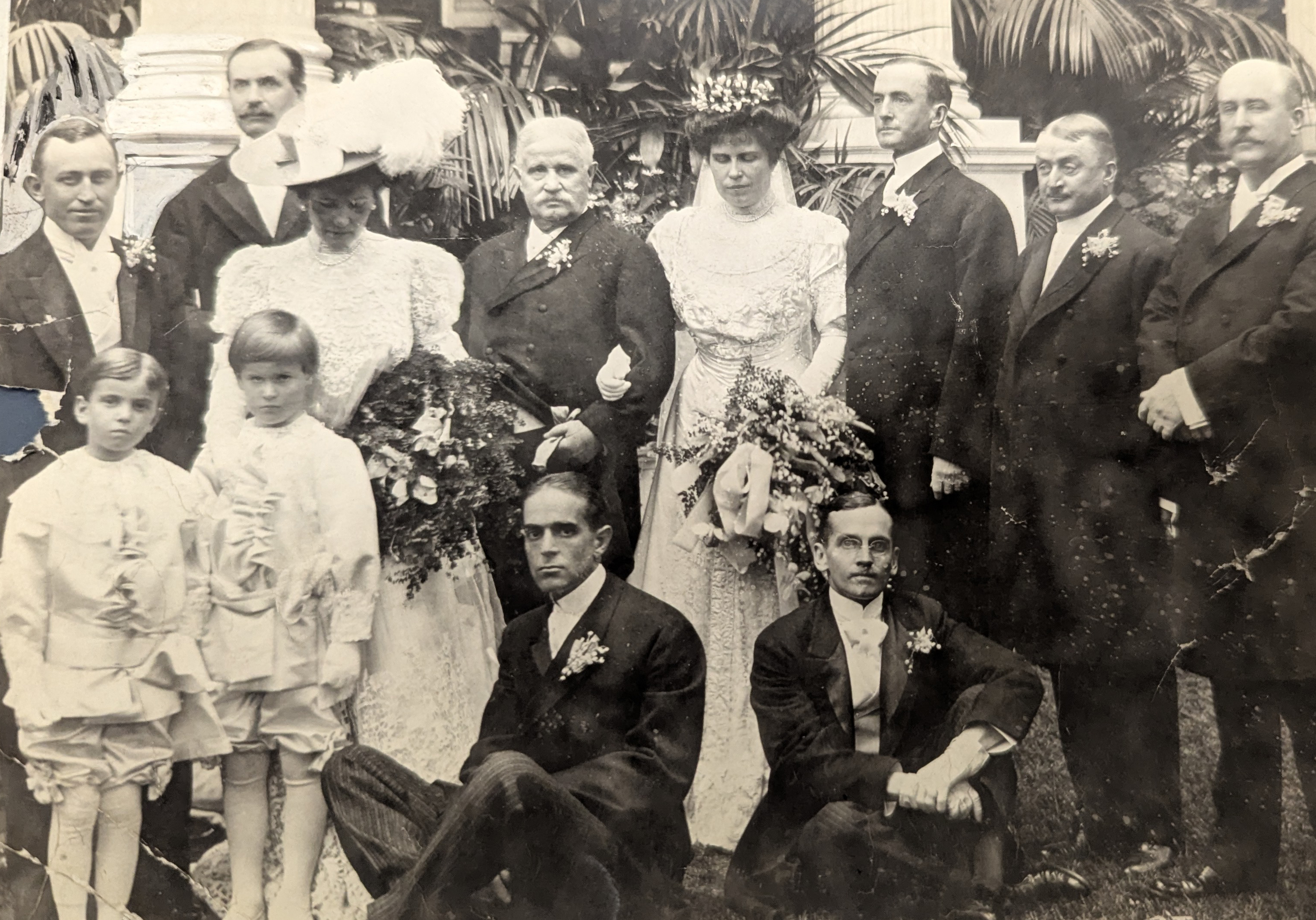
This image is one of the only known images of Bulkeley, Crawford, and Louise together. Taken at the wedding of P. Randolph Morris and Louisa Hughes, Crawford Hill (who served as an usher) is pictured in the back row on the left. In front of him is Louise (who was the matron of honor), and Bulkeley Wells (who also served as an usher) is seated on the ground in front of Louise.