
 Membership
 Donate
 Shop
Shop














Press Release
Dia de Los Muertos Altar Collaboration Honors Denver’s Iconic Mexican Folk Artist, Rita Flores de Wallace
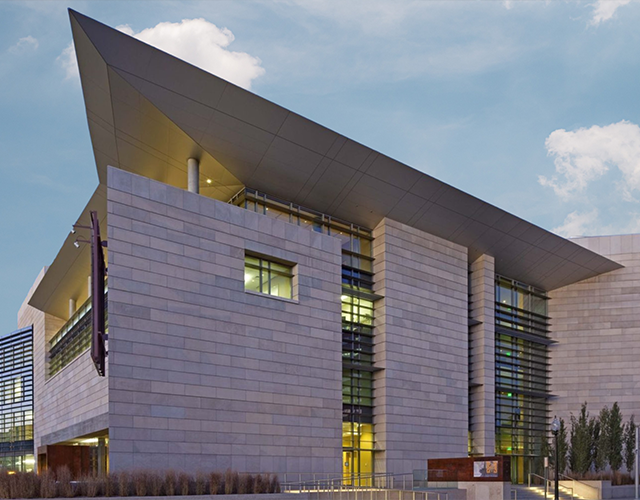
DENVER — October 8, 2025 — Renowned artist Cal Duran will be installing a Día de los Muertos altar at History Colorado Center on October 10, 2025, in tribute to the iconic textile artist and Corn Mother Rita Flores de Wallace. Over the past 40 years, Wallace has made significant contributions to Colorado's Mexican folklore, arts, and dance culture. Many consider her to be Denver's first lady of Mexican folk art, storytelling, and dance. Her passing on April 27 of this year marked the end of an era for the Chicano and Mexicano arts community in Denver.
PRESS CONTACTS
History Colorado: Jeannie McFarland Johnon, hc_media@state.co.us
Corn Mothers: Renee Fajardo, jtoh2016@gmail.com
In 2023, Wallace, a 90-year-old living treasure, came out of retirement to work with Duran in creating her last public installation for Día de Los Muertos at History Colorado Center. Duran, who is nationally recognized for his murals, clay sculptures and Día de Los Muertos installations, began working with Wallace in 2021. Despite her failing health at the time, she embraced Duran as her final mentee, determined to create one final altar together.
“Rita’s artwork always enthralled me. I was only 17 years old when I first saw her altars in 2005 at the Chicano Humanities Art Council gallery. I knew she was one of the artists who actually helped establish this holiday here long before it was popular,” said Duran. “To me, she was a visionary, paving the way for other artists in Colorado. Her knowledge of the spiritual significance of this holiday and her groundbreaking work in the 1980s was a catalyst that laid the groundwork for all of us."
Assisting Duran in the creation of the History Colorado altar to honor Wallace will be students from the Metro State University (MSU) Denver Journey Through Our Heritage team and Jeanette Trujillo, founder of Fiesta Colorado and an artist with the Chicano Humanities Arts Council (CHAC).
“This is a fitting final farewell to this iconic cultural treasure,” added Duran. “These are the folks who worked and loved her right up until her final days. It is our way of paying homage to all she stood for in our community.”
“This is an opportunity to see the legacy of this prolific artist and truly understand the significance of her contribution to the Latinx art scene in Denver,” commented CHAC Executive Director Brenda Gurule. “Throug Cal’s mesmerizing artistic talent, this installation will make it possible for the public to experience Rita’s extraordinary work and her visionary life.” Duran’s installation utilizes textile works by the late Wallace, along with his own customized papier-mache sculptures and his breathtaking signature Ojo de Dios, clay works, and other pieces. In 2020, the Wallace family worked with the MSU Denver Chicana/o Studies Department’s Journey Through Our Heritage program and CHAC to donate the artist's massive collection of tapestries and textiles was donated by the family to History Colorado.
“This year’s ofrenda holds even greater significance as we honor Rita’s strength and commitment to sharing the community’s proud traditions,” said Jeremy Morton, exhibition developer and historian for History Colorado. “We are honored to provide all Coloradans with a space to engage in the culture of learning, healing, and celebration during Día de los Muertos.”
This altar installation is part of History Colorado annual Día de los Muertos commemorations taking place across the state, honoring Colorado’s connections to Mexican and Indigenous heritage. From community altars to family-friendly celebrations, each museum invites visitors to reflect, remember, and celebrate the enduring spirit of this tradition through early November. Together, these events honor the past while keeping the spirit of Día de los Muertos alive for future generations. Visit the events calendar to find ways to participate.
About the Artists
Rita Flores de Wallace was a renowned Mexican folklore educator, creator, and storyteller. Rita grew up in Galeana, a municipality and city located in the state of Nuevo León, Mexico. At the age of nine, she attended school to become a secretary, where she learned the domestic arts of embroidery and weaving, as well as other skills. She married John Wallace, a teacher at Baker Middle School from Denver, whom she met while he was visiting Mexico. After their marriage in 1980, she left Mexico to join him in Denver, where she brought her love for Mexican art and culture to Colorado. Rita has created an educational legacy of Mexican folklore and art, and her works have been featured at locations such as the Denver Art Museum, Denver Museum of Nature and Science, El Pueblo History Museum, and the Center for Visual. She is featured in the anthology, "Return of the Corn Mothers."
Cal Duran is a Colorado native, a Queer, Two-Spirit, Indigenous, Native, mixed-blood, Latinx, Manito, Mestizo, Chicanx, and Indian Artist, arts educator, and board member of the Chicano Humanities Arts Council. Museums and galleries feature his altars, installations, and artwork throughout the Denver Metro area and beyond. He continues to honor his ancestors with his prolific installations in honor of Dia de Los Muertos. His most recent installations include work at Casa Bonita, Breck Create, Smokey Hill Library, the Colorado Springs Fine Arts Center and others. His room at Meow Wolf in Denver celebrates indigenous tribes of Colorado and the Americas. He understands the importance of land acknowledgment, honoring all the Earth's tribes across the globe and the indigenous lineages that run through his bloodline. Learn more about Duran's work at www.artbycal.com.
About History Colorado
History Colorado is a division of the Colorado Department of Higher Education and a 501(c)3 non-profit that has served more than 75,000 students and 500,000 people in Colorado each year. It is a 145-year-old institution that operates eleven museums and historic sites, a free public research center, the Office of Archaeology and Historic Preservation which provides technical assistance, educational opportunities, and other access to archaeology and historic preservation, and the History Colorado State Historical Fund (SHF), which is one of the nation’s largest state funded preservation programs of its kind. More than 70% of SHF grants are allocated in rural areas of the state. Additionally, the offices of the State Archaeologist and the State Historic Preservation Officer are part of History Colorado.
History Colorado’s mission is to create a better future for Colorado by inspiring wonder in our past. We serve as the state’s memory, preserving and sharing the places, stories, and material culture of Colorado through educational programs, historic preservation grants, collecting, outreach to Colorado communities, the History Colorado Center and Stephen H. Hart Research Center in Denver, and 10 other museums and historic attractions statewide. History Colorado is one of only six Smithsonian Affiliates in Colorado. Visit HistoryColorado.org, or call 303-HISTORY, for more information. #HistoryColorado