
 Membership
 Donate
 Shop
Shop
















Sam Edelson | Denver VA Medical Center Project
Join State Historic Preservation Officer, Dawn DiPrince, and local developer Sam Edelson for a conversation about the challenges and opportunities encountered during a massive project aimed at repurposing an old VA medical center into housing. Learn more about what it was, what it's going to be, and what challenges they faced along the way. It's adaptive reuse and preservation for a new day!
Speaker 1 [00:00:01] Welcome to another edition of ReFramed, Preservation for a New Day, where beloved old spaces are reimagined. We take a deep dive into the preservation of an amazing historic space. What did it used to be, what is it now, and how did it happen? It's adaptive reuse and heritage for all, brought to you by History Colorado and hosted by me, Dawn DiPrince, Colorado State Historic Preservation Officer. Well, we are delighted to be here with Sam Edelson today, who is going to talk to us about what we internally here boringly call the VA project, but he may have a much more exciting title for it. Sam, can you introduce yourself and tell us a little bit about the project you're working on?
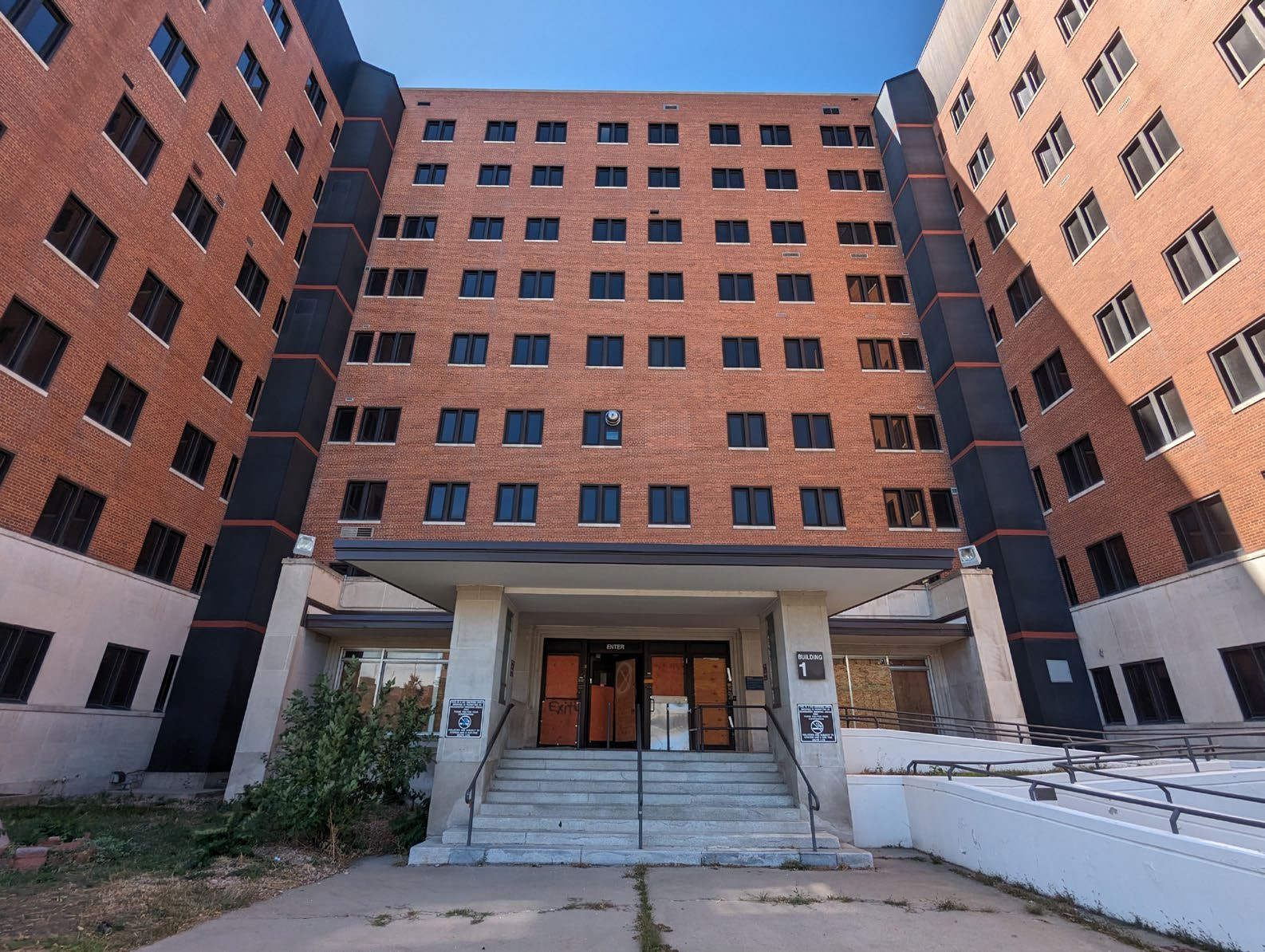
Speaker 2 [00:00:51] Hi, Dawn. Yeah, absolutely. I guess thanks first and foremost for having me here today. I really appreciate it and love what History of Colorado is doing to help out all these great projects here in the state. I'm Sam Edelson, and along with my partners Ben Gearhart and Charles Moore, we make up the GM development team. We are local developers here in Denver who focus primarily on historic adaptive reuse projects. Principally in Colorado and then more recently, kind of more broadly throughout the Midwest and Texas. And the project we're talking about today is what we also call, boringly, the Denver VA Project, which is a 550,000 square foot hospital building that was formerly. The kind of main site of the Denver Veterans Administration Hospital that got built and commissioned here in 1951, and then kind of a broader eight acre complex that surrounds it. And we're working on taking that site and kind of turning it into what we hope will be a really exciting kind of mixed use community that's a continuation of really the surrounding areas that have continued to develop, ultimately resulting in what we think will be about 490. Three apartments in the old hospital building with some great commercial space, and then eventually what we expect will be some more in-field development around it.
Speaker 1 [00:02:18] Great. Part of what I am so intrigued about this project is it is surrounded by new construction, and this is in my mind like this kind of classic, mid-mod, utilitarian, federal-type building. So not always your first picture of what people think of when they think I'm going to preserve this historic structure and turn it into something special. So what made you all fall in love with this historic building in the midst of all this new construction?
Speaker 2 [00:02:58] Yeah. So, you know, what I would say is this is actually that kind of location description that you just said is I think actually really the core of what makes an awesome historic adaptive reuse project and what makes these projects, what really adds to the flavor of the city. So you know you need new construction. It's super important to create density, to make your city vibrant and a place to live that, you knows, continues to grow with the state, right, but. The flip side is if you erase all of the original character to the place that you live, you just end up living in a city with a bunch of kind of like stucco boxes that's not that fun. And so for me, what's really cool about these adaptive reuse projects is you get to keep some of the original flavor of the place and then surround it with the new density that we need and you create a sense of of place in these communities where you're like, oh, I actually, I'm in Denver, right? Or I'm Austin, or I'm Kansas City, right, because any city that grows needs new buildings, they need more density, but if you get rid of everything that made the city what it was, then really what you're left with is a pretty uninteresting landscape. So for the Denver VA, I think it's awesome that it's surrounded by the new construction. It's, for those folks familiar with the site, it's kind of in this. Called like Ninth& Co kind of broader redevelopment. And Ninth and Co is awesome. It's super vibrant. We've got tons of really beautiful new apartments, awesome amenities, great restaurants. You got movie theaters. Like it is a great place to live. And I say this like with only the most positive connotations of mine, it could be anywhere, right? And then next to it, right, we have this old hospital complex. And what we thought was interesting when we saw it architecturally was there was actually already a national register filing for Gen 3 Veterans Hospitals, right? And so if you look at our building, there's actually like a series of buildings throughout the country that look frankly like just like it. And to your point, it has this mid-century modern civil architectural style that if you look at this stuff, you cannot. Miss what it is calling out to, which is like, this is what the VA was building post World War II in urban centers. And it really is, it's pretty, you know, special. It's something you want, would want to keep around because you have this 10-story hospital building. At the time, you know the design was intended to look like a skyscraper. It does look like a skyscrapers. It still, even though it was built in, you, know completed in 1951, it's still the tallest building in that area. Right, and so it's cool that we get to keep this building and remind people like, oh, this is why this place existed, right? This whole side of town was originally a medical complex and University Hospital was there and Rose Hospital is still there and the VA was there and University hospital is gone. I mean, that's what 9th and Co is, right. University hospital's completely gone. There is, you know, they didn't, this was I think the right thing for them to do, but you know there is no knowing that that was there anymore. So I think it is really cool that we'll get to keep this hospital in place and have it be like a memory of the fact that like this is why this side of town existed. But by the way, it is meeting all the modern needs of our city today, which is we need more residential.
Speaker 1 [00:06:35] Yeah, absolutely. You know, part of what I, I mean, I will say I love mid-century mod, this kind of like federal architecture. So I already love the building and I think you're right. It definitely speaks to this like moment in Denver's history as well, that medical side, but also. Thinking about the military part of Denver's history as well, you know, which is also not something you recognize in that part of the city either. And it's great to have a structure that reminds us of all of that. And to your point meets some of the current challenges of the moment. And thinking about what are kind of the things that you're having to do to turn hospital rooms. Into apartment living spaces.
Speaker 2 [00:07:27] Yeah. So from that perspective, you know, hospitals are actually some of the better in our, in my opinion, it's actually one of the better types of buildings to convert and do adaptive reuse on. And the reason is, is because hospitals were really set up with people kind of, you know, sleeping and spending extended periods of time in mind. Right. So we already have tons of windows. Right. And we already. Have, you know, effectively corridors that serve. Rooms right and so for anyone who's designing within like national park service standards right these corridors are you know you can't really do much with them you have to kind of keep them in place right you can really add much you know additional penetrations to the exterior of a building so you kind of you're stuck with your quarters or stuck with their windows and in this case it just happened that all those things were designed with you know people being you know kind of living for some period of time in place there So really if you look at kind of our design, what we're doing is we are more or less leaving all the corridors in place and where you would have walked into one hospital room, we will kind of collapse that into three or four rooms to be a unit. And so what you're left with is like these really well lit, you know, what will be nice in modern units that we don't have to do that much from a design standpoint to make that work, right? And especially The other things you're dealing with right is through floor penetrations and creating plumbing stacks and things like that to convert to residential. And in a hospital building, that's actually all much more set up for that than, say, like an office building that was built with like a core and a curtain wall. Those actually, in our opinion, are really hard to turn over.
Speaker 1 [00:09:13] Yeah it's interesting you mentioned corridors because that is something that we have heard before from people doing this work that usually with the new build you want you know the smallest hallway you can get away with and in these older buildings you're forced to have maybe a wider hallway would you say that is true for this project?
Speaker 2 [00:09:35] 100%, totally inefficient hallways, right? I mean, that's kind of the quirks of doing these historic deals and why, frankly, the programs that sent you to save these buildings make it work because you would never build a building this way for residential, right. Even if hospitals are better than say like an office building, like you can have like two or three people laying down across my hallways. And that is just like not something anyone would do. And what it really means is that We have a way less efficient floor plan from a percentage of net rentable area versus kind of gross square footage ratio. And if you were building it from the ground up from scratch, that would be tremendously costly and you just wouldn't do it. But because the building exists and because in many of these cases you're basically creating your basis below what it would cost to recreate it, you can make those types of inefficiencies. Viable. And the flip side is, is that like, if you can, they're really cool, kind of quirky, fun spaces, because to your point, no one would build it that way. So like you're going to live in an apartment building that has like a totally different interior layout than anyone would ever build it to. And like, sure, maybe we can't have a hundred percent of our buildings that way. But like, it's cool that, you know, some percentage of our building's get to be built. Very, very different and you get a different living experience when you go there.
Speaker 1 [00:11:04] Yeah, and what we've heard, you know, there aren't just pass-throughs, they become like hangout spaces and places for kind of communal ways for people to hang out with each other, which also I think is like a different living experience than you might get in a modern building.
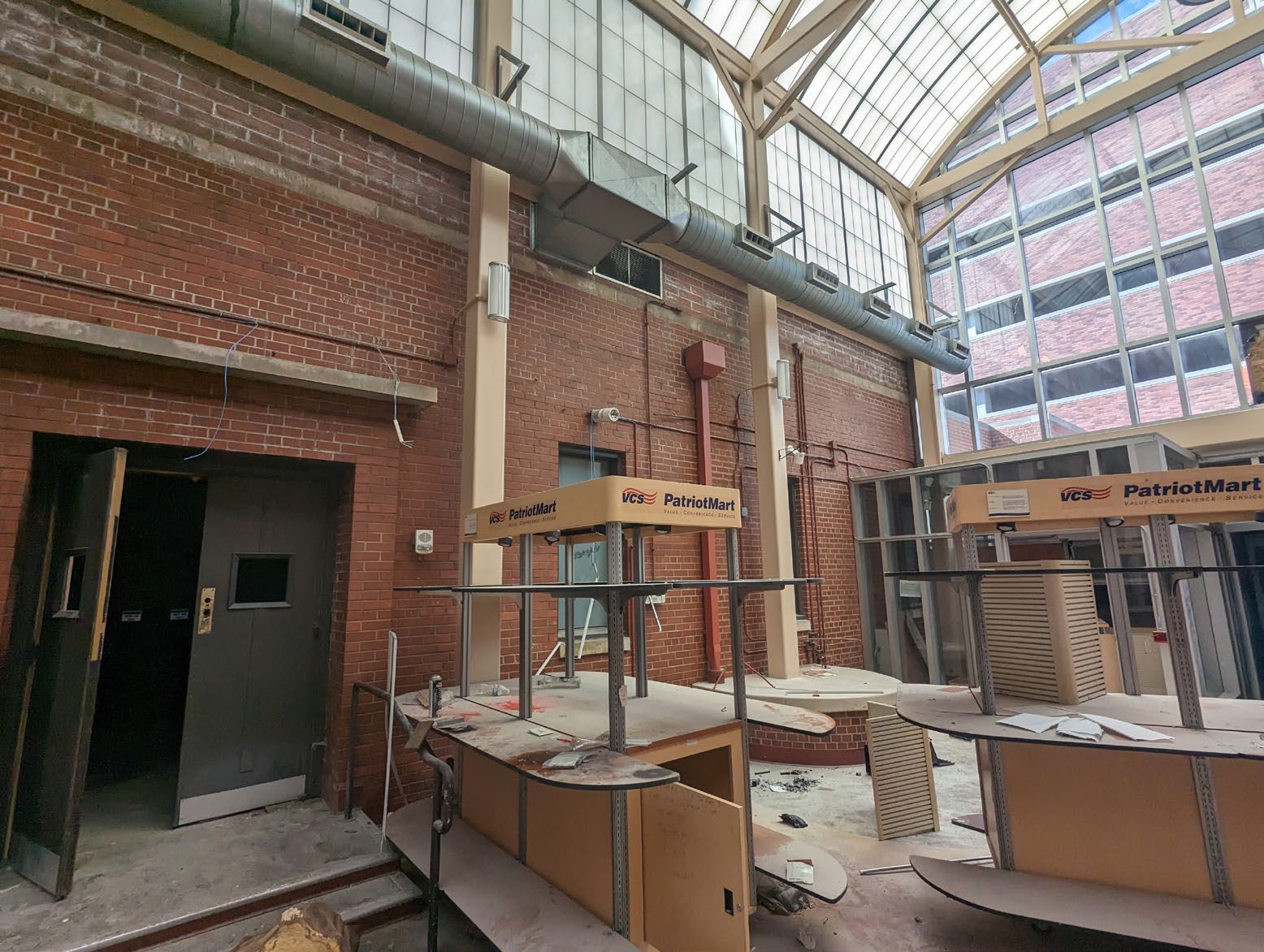
Speaker 2 [00:11:20] So we have a six story covered atrium, right? So it's like this big, lit, open space. It will ultimately serve as like the lobby of our building. You would, and again, in the modern world, you would just never ever do that, right, because it is cost inefficient to build a building that way, but it will be so cool, right. Because you have this giant grand six story space, you walk into it. You're gonna have a leasing office there, you'll have couches, hangout space, green walls, it's all lit, it' all covered. And everyone walks in there like, wow, this is so cool. The only reason that it can exist is because we're doing historic adaptive reuse because otherwise you just could not build a building this way and have it.
Speaker 1 [00:12:04] I can't wait to go check this out. It's very exciting. So usually a project like this is not done alone. Usually partners, there's a financial stack. Can you share with us how you have been able to pull a project this together?
Speaker 2 [00:12:21] Absolutely. So to your point, you know, with with these historic adaptive reuse buildings, you're kind of always building up kind of a cap step to make it work. You know, we were, you know very lucky to have some really good LPs who kind of backed us on purchasing the property at auction, right? Because we didn't know, you knew it wasn't a normal sales process. This was a GSA, you now, government services administration auction. And it was kind of just like us showing up to like a very weird eBay site every day for like a month and just bidding on this thing continuously. And we had a really supportive LP group who helped us do that and provided kind of the initial funding to take the site down. And then after that, we've basically been building up the cap stack through historic tax credits. We're gonna do probably a HUD construction loan. That will take care of the vast majority of the rest of the capital need, and then they'll be like much smaller kind of additional, you know, maybe brownfield credits or some kind of environmental like energy star 45L type credits that will help round it out. But really the vast, I mean, this is actually more so than probably most historic tax credit projects really funded through almost a normal construction means. So we have an LP. We have a HUD loan, right, which anybody, you know, doing a construction project can go do, and the historic tax credits, they definitely are a big component of the help to make it work, but you know it's probably simpler than other stacks because it just, we think it works kind of on its own.
Speaker 1 [00:14:01] Yeah, it's a good it's out. It's a good business, especially. You know, it really is in a hot part of town. So I think that's probably part of this. It makes sense. There's a demand for housing in that area and probably a demand. For housing that has a different vibe than all the rest of the
Speaker 2 [00:14:24] Yeah, I think so. I mean, well, I think the area is great, right? You know, if whoever was going to buy that property was going to put residential there, that's that's what should be there. It helps that this building in and of itself was dense, right. I mean we're the tallest building in the area like unto itself regardless of use. Right. And so that that helps because we had density right off the bat. But I will say, you know, the the market in Denver is not. What it was kind of five years ago. And that's a challenge that I think everybody in the development community is dealing with, right? And so I think it's really easy to look at projects like this and to be like, oh, you know, this project works, this is a great project, right. But the reality is, is that I don't think anybody in Denver on any project is feeling that way right now because, you now, demand is weaker than what it was, costs are up tremendously, and the interest rate environment is not particularly good and you put all three of those things together and what I think the whole development community in in Denver is really feeling is a lot of you know strain and question about what they should be doing right now and we see that you know across any type of product class like we talked to tons of developers and everybody here is I think feeling you know pretty lukewarm on the situation
Speaker 1 [00:15:47] Yeah, yeah, yeah. Uncertain, lots of uncertainty in many ways. You know, this project is interesting to me, too, because we heard from a number of people who were going through that GSA bidding process that you mentioned, who I think were interested in taking the building down. So I think there were other ways of thinking about what to do with the site. But you all came with a different vision of keeping the building. What do you think motivated you to be thinking about this as not a teardown, but an adaptive reuse?
Speaker 2 [00:16:23] It's like one of those things where if all you have is a hammer, everything you see is a nail. So we're people who do historic adaptive reuse projects. That's what we look for. So, you know, if you show me a building, I'm going to ask myself, like, can we repurpose it and turn it into a historic adaptive use building? Now, the reality is, is like, maybe there's six of us in Denver doing that, right? So I suspect, you, know, most of the other bidders, I mean, it's a specialized skill set, right. So most of the other bidders. We're thinking about scraping because it is a great parcel of land and, you know, I think we had, we understood what the economics of tearing everything down looked like and it's not like they weren't compelling, they were compelling, but for us and our skill set, it was actually much better to keep the building and repurpose it.
Speaker 1 [00:17:09] Yeah, well, hooray, because we're pretty excited when that happens. So you are not just working on the Denver VA project, you've got several other pretty exciting adaptive reuse projects happening in the city. Can you share some of those with us too?
Speaker 2 [00:17:27] Yeah, absolutely. So we are finishing up right now what is going to be a 20 unit apartment building over at really close to these offices here at 10th and Broadway. That was the original Gates rubber offices as well as a 40 room single room occupancy hotel that as far as we can tell is vacated sometime between like 1960 and 1970. And what I think is cool about that is like we you know for those listening here you know we are in the heart like the heart of downtown. I mean, it is. Dense here and everyone knows that we need more housing and we had greater than 10,000 square feet just sitting vacant for years and years and just completely abandoned with just a retail tenant on the ground floor and in looking at it with a historic adaptive reuse lens we now have 20 more housing units in the city which doesn't move the needle but it is something that otherwise would not have been done. And by the way... It's not like there was another use for this property because it's literally surrounded on both sides by other buildings. So it's just this narrow building that had it not been reused, would have just continued to have 20 units or 40 units or however you do it sit vacant. So we really liked that one and it looks really, the product's coming out really, really nicely. So we're very happy about that one. And then we are also about to start on a project of 21st and Glenarm, which will be. 26 condos, five of which are in a very old, it was originally a boarding house, like circa 1910 I wanna say, that is in tremendous disrepair and has just been like a total scourge to that neighborhood for I think decades. And starting next month we will get that guy fixed up and bring it back to life and then put another 21 units next to it. So that's another one we're really excited about.
Speaker 1 [00:19:24] Amazing. And are these all on the historic register?
Speaker 2 [00:19:27] So they are, Colorado is interesting, right? Cause we work in other states too. So in most states, you do not get your part two approved without being on the NR. And so because of that, our process, you get your Part One, you can do your NR, then you do your Part Two, you finish the building, do your part three. Colorado's like weird. I have no idea why this, you probably, you may know the answer, but I don't know the answers. But for Colorado, we can do our part one and get our part two approved and then go on the national register or whatever, you know, historic register we're doing and then do our Part Three, which honestly I love. I think that's actually way better. So for all of these, so the VA just got on the NR because our architects from, does a lot of this stuff, like that's his process. But when we do it ourselves, like at 10th and Broadway, we did our part one, part two approved, and like we are going on the NL right now, so that's in process. And then for our Glenarm deal, we're in this historic district, and it's only state tax credits.
Speaker 1 [00:20:34] Yeah, yeah, well, I think it's about efficiency. I think that consolidating those processes allows for a much more efficient use.
Speaker 2 [00:20:44] Yeah, it's way better. I mean, everyone should do it that way. Yeah. Well, yeah.
Speaker 1 [00:20:45] Yeah, well you can brag about Colorado when you're doing work in other states. We'd be okay with that.
Speaker 2 [00:20:51] Yeah, happy to.
Speaker 1 [00:20:52] So one of the things I think that's really great about adaptive reuse projects are, there are these little elements, you know, like the corridors you mentioned in the VA or the atrium that you never like craftsmanship and those kinds of elements that you could never recreate today, anything like that in either of these other structures.
Speaker 2 [00:21:13] Totally there are. So what I would say is, you know, building new product and we build new housing as well. We don't do all adaptive reviews. We do get some ground up stuff. And what I'd say is one of the things that the industry has done in order to try to keep housing costs down and there's not, which, you now, holistically it hasn't seceded on is driving down the actual cost of the building materials itself, right? And I at least noticed that a lot, right. So the new vinyl windows, they just They meet all the codes, they meet all the engineering standards, but they just are not good. Like they're just not, like they just, they don't feel good, you know? Like they just feel crappy. And same thing with like siding, you now? Like the siding or the stuff, like all this stuff, it meets all the code requirements, but you just, like it is like soulless to live in and it just sucks when you touch it. And what's fun about these historic adaptive reuse build projects is like the actual building materials were just, in my opinion, like, better than. They were probably more costly too, right? But they were better. And so, for instance, at 10th and Broadway, we have this really, in my opinion, cool masonry work done, which has these brick kind of keys inlaid into the upper floors, which is just a detail that no one would bother to do anymore. But it's there, right, and it looks awesome. And our interior, actually, our hallway corridors has this really beautiful staircase, you know, wood staircase. That again, no one would do anymore because it's just too expensive. But you know, we get it. We're the beneficiary. Similarly, at our 21st and Glen Arm deal, the kind of cornices that the roof kind of comes over are these really beautiful, intricately carved kind of wood cornices that it's like, it's not a building product, right? Unbuyable, but it looks awesome, right. So that's the type of stuff, like these details that we get really. I'm like, that's the type of place that I want to live. I live in like an 1896 Victorian house. So I kind of, so like you see what I'm into, but I think the product, like just the quality of the product that you get is just so much nicer to live in because just like the tactile experience is better.
Speaker 1 [00:23:25] Oh, I totally agree. I can't. Yeah. I'm like, I'm, like, drooling just thinking about these, like details. I've got to see them all. Well, and even just that, like the handiwork of that kind of that mason, those, the bricklayers, you know, it just would be great to see that kind of craftsmanship happening more and more rather than these, like prefab sheets of things that look like brick.
Speaker 2 [00:23:50] And in all fairness, we do it. We did a town on project at 25th and Arapahoe, which is in a historic district. And so part of what we do is we'll develop within historic districts to ground up, which is still a challenging process, because you have to go through landmark, which is a challenge. You've got to meet these design standards. And so, part of it is that to meet the design standards, the masonry requirements are much more intricate. They also look awesome. They're just really, really expensive, right? And so, you know, so much of housing is this trade-off between, you now, the cost, right, and then your end product. And so the challenge is like, I wish I could say like, yeah, we should have beautiful masonry on like every single thing that we build in the city because wouldn't that be awesome? And it would be awesome. And also like housing would be just that much more unaffordable, which is another thing that really focus on because we want to make Denver a place that people, you know can come and live and live affordably. And that's. Not, I don't think, where we are right now, you know, and it's not because we're glitzin' up the materials too much, right? There's a lot of other factors that drive these costs.
Speaker 1 [00:24:56] Yeah, yeah, but the balance matters. I appreciate that. What kind of, I mean, you have a lot of experience in this work, so what lessons have you learned? And if somebody were interested in getting into this line of work, what lessons would you share?
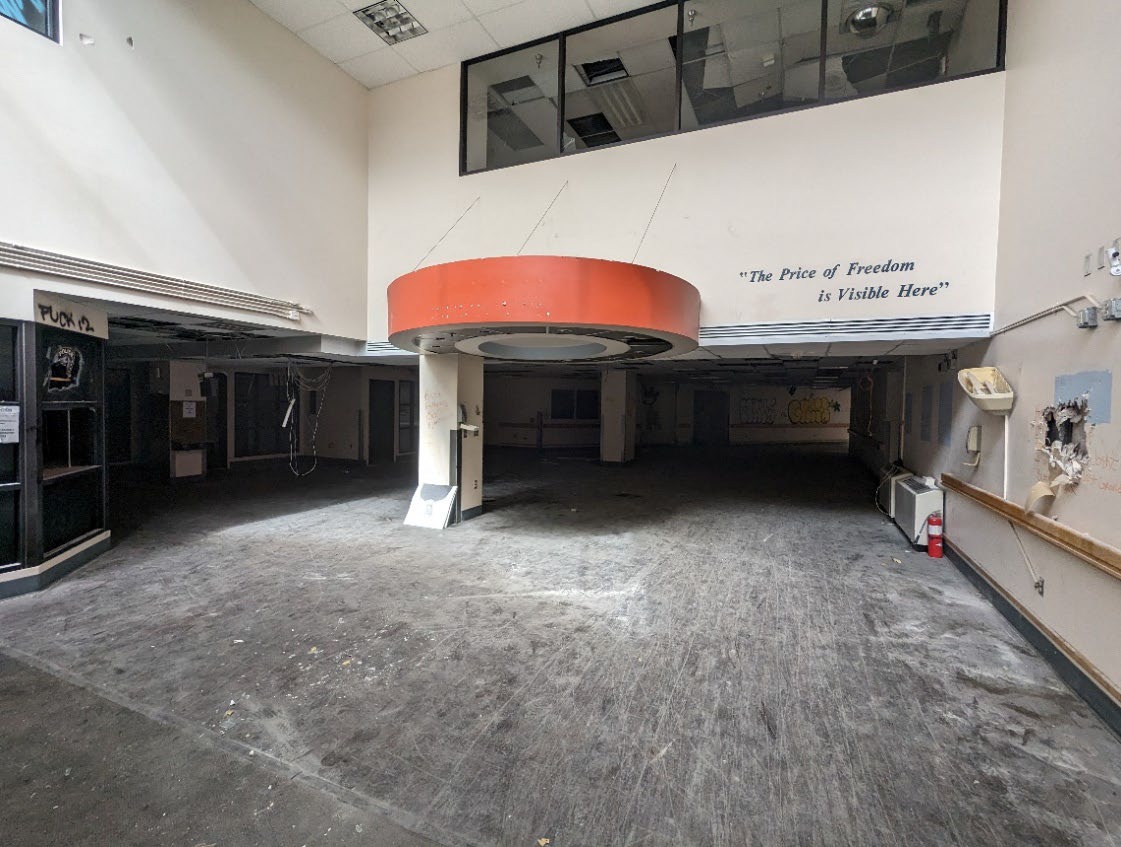
Speaker 2 [00:25:12] What I would say is actually the single biggest challenge of adaptive reuse, especially in Denver, but this is true, we do projects everywhere and it's really true all over, but it's especially challenging in Denver is between when you decide to start the project by the building or undertake this project and when you can get your building permit is going to be something like one to three years. And it really depends on. What you're doing and how the project is. But it's kind of one to three years. One's really the best, two's like a mean. And I know the city is actually working to improve this. And by the way, there are some great people at the city. I'm gonna give like a shout out to Jennifer Ramsey who runs our adaptive reuse program at CPD. And she's fantastic and like is very clearly one of the drivers to make the permitting process easier for these projects. But you still own a vacant building for kind of a long time before you can start work. And we have really bad crime in Denver, like really bad crime. And it is awful to operate in that environment. So we have bad crime, I think, in general. But if you think about it from the police's perspective, you know, they have to triage this, right. And they're understaffed as well. And so what ends up happening is that property crime in this city is effectively not, in my opinion. Not particularly pursued to, you know, it's not a priority to stop. And so if you're the owner of these buildings that you wanna save, then you are constantly combating folks, you know trying to break in, you know looking for housing, looking for a place to, honestly I mean we see looking for a place do drugs, looking for place to urban explore, looking for our place to. You know, do graffiti, looking for a place to steal copper, looking for place, you know, like this is the realities of owning these projects, and I wish I could say, like, it's all, everybody's out there trying to do good in the world, but actually, a lot of the times, you're interacting with people who have serious, serious challenges, and there are no resources to stop this from happening. We spend hundreds of thousands of dollars on private security, and. Even doing that, we still can't stop folks from breaking into our properties. And frankly, when we call the police, we cannot get a response that actually results in these folks not coming back or actually being arrested. It's just not what's going on in the city. So, you know, a lot of the times you buy a project in one state, but by the time you get your permit, it is in a very, very different place. And that is a painful lesson.
Speaker 1 [00:28:04] Yeah, wow, I think that is pretty important information that that gap of time from when the building becomes yours and when you can start work becomes like a pretty serious gap in which you're responsible for a building and it's pretty vulnerable.
Speaker 2 [00:28:23] Totally. And I mean, this is not, you know, I, I think about it. I really feel for these developers, right? Because, you know, we're all kind of going through the same thing, but like, this is something I see happen all the time. There was a project deemed historic at the corner of Park and Colfax. You probably know it. It was like a first place originally, right. And I sadly had to sit through this historic, down to the landmark commission meeting on this because I was on the agenda later. And I actually, I live right by it. I watched this building. It was, it's an okay building. I'm not going to get into it with landmark on this. I don't think it was the most important building in Denver. Nonetheless, it was an okay building and it was deemed historic. You know, and these guys had the building. They wanted to do something on it. And they, they had even endeavored after it was deem historic to do everything they could to preserve the building well, you know, lo and behold I mean, they've had this thing since I've been here. So they've owned this like over five years. I don't know what the process is, but like we got people breaking in, you got people doing drugs, you got People starting fires. Like it is just like the classic, what happens when you own an abandoned building in Denver and it's destroyed, right? Like it was like unsalvageable at this point. And so, you know, they had to go back and get permission to tear it down. And frankly, I think that was appropriate because it is not, you can. These buildings can get to a place where, no matter how much you love them, they are unsalvageable. And that's, I think, where they were left. And we really try hard to make sure that doesn't happen, but it is really expensive to protect these buildings. So that's a real thing that you gotta know about.
Speaker 1 [00:29:56] A very serious challenge, yeah. The level of that wasn't on my radar, so I appreciate you sharing that with all of us because it feels like there's solutions in there somewhere.
Speaker 2 [00:30:09] Well, you know, you think so and I look, I don't mean I point these things out only because like I think it's you know I don' know who listens this podcast, right? But I tell this to everybody I can talk to you. So, you might as well say it here look like I had it We had a situation at 21st and Glenarm, right this this is a this house is in rough shape Everybody on the planet probably would think that you should demo this building But it's an historic district district so you can't and you know We knew that we know how to do the things that you need to do to fix this thing, right But I basically have full-time board up staff that go roam around the city and board up my buildings, right, to try to stop penetration because they happen all the time. And you know, I was getting hit over and over again at 21st and Glen Arbor to the point where my board up stuff was like, hey, there's a guy named Blue living in the house. He's a drug dealer. He has a dog, right? Like people are coming in and out, like, you know buying drugs. He's like a real problem. Like every time we kick him out, we board it up and he comes back in. So, you now, we send an email. To DPD, right? How, you know, and they have homelessness outreach, they have all these programs set up. And I just tell them like, hey, just so you guys know, there's a drug dealer. He's illegally living in my house. I have a no trespass agreement on file with you guys. So you can go in there anytime you want to get him out. I happen to know he's in there right now. He's got a dog, right. And it's a real problem, right, because he's causing issues. In the building, my guys keep kicking him out, but we can't, you know, kicking someone out of your house and re-boarding it up, that's not really a permanent solution to protect the property. And then, look, I never got a reply. Then one day, like two, three weeks later, driving me crazy, I get a call that my house is on fire. Oh, and by the way, the guy who started the fire, he escaped, but he left his dog. So they took the dog to the city. And oh by the way Why aren't I doing more stuff to protect the house, to secure the site, and Denver Fire doesn't want to go in there anymore, probably because it could be unsafe because of the fire, which I totally get, right? And Denver Fire does a fan, I mean, I can't speak enough about Denver Fire because they do a fantastic job in this city, but when you're this private landowner, it's already spending hundreds of thousand dollars on security and you try to get in contact with the police to tell them. That there is a criminal there and there is no response and then after your house burns down, they ask you why you didn't do more. Like, I just don't know what more we can really do here anymore.
Speaker 1 [00:32:43] Incredible, incredible. Well maybe this will help amplify your message even more because sometimes I think those like on the ground like real life experiences of you know somebody that's doing the work that you do people don't realize what the day to day of that looks like so I think it's really helpful to hear what that what that actually looks like and yeah I appreciate you sharing all of that with us.
Speaker 2 [00:33:10] And I will add, because I think it's important, there are some fantastic DPD officers, right? So I have literally been in the VA hospital, this is a super messed up story, on the other side of a door with DPD on my side and a guy with an ax on the side, right. So these folks, they are putting themselves at serious risk every day in a pretty challenging environment. There are fantastic people in there, but holistically I think there needs to be more resources to protect property owners, because it feels like, you know, it feels like in the triage decision that like this is the victimless crime that like, the person who owns a vacant building, they're like the lowest down the totem pole. But the reality is, is that longer term, this has real effects on people's desire to work here, right? And that's my frankly fear about Denver is, you now, I want people to come work here, live here, want to do business here. And if property crime is like completely deprioritized like that is just not a functional environment to work in.
Speaker 1 [00:34:12] Yes, yes. And also, you know, a permitting process that doesn't possibly take three years would be a big help, I think, on the other side of this as well.
Speaker 2 [00:34:21] Totally true, although I will say CPD has been making, I think, real, real strides. You know, like any organization, there are some fantastic people in there. There are some people probably who, you know, could do, you wish could do a better job, but I think especially, you now, I think Manish, who's running CPD, is really kind of fixing things there in a pretty serious way, and these things take time. But, you, know, with, frankly, with permanent applications down as much as they are in Denver, you know there's more bandwidth. Right, to do stuff. So I'm hopeful that turnaround times will start to improve. And yes, there are still tons of processes within zoning and CPD that can improve.
Speaker 1 [00:34:59] Yes, well, we, even despite all of these challenges, I appreciate how hopeful and forward thinking you remain, that you can see a building where somebody else may see a hopeless cause, you see a whole new future for it. And not just one building, you know, you're working on multiple projects here in the city. That's pretty exciting and great and lucky for all of us. So we appreciate you.
Speaker 2 [00:35:27] Thanks very much, John.
Speaker 1 [00:35:28] Yeah. Thank you. To see photos from this edition, visit history colorado.org forward slash podcast major funding for reframed preservation for a new day is provided by the Sturm family foundation and history Colorado offering 11 beautiful, inspiring museums and historic sites that ignite imagination of all ages. Join us to discover your past and build a better future for all people in Colorado. Home to a free public research center, Colorado's Office of Archeology and Historic Preservation, and the History Colorado State Historical Fund, the nation's largest preservation program of its kind. Learn more at historycolorado.org. This episode was produced by Annie Levinsky and Sam Bach, edited by Callie Mejia and directed by Julie Jackson of Julie Sphere Productions with support from Truce Media Collective. Follow History Colorado on all social media platforms to stay in the know on all things history in Colorado.
For more information and photos from the episode, visit reFRAMED: Preservation for a New Day