 Membership
 Donate
 Shop
Shop






















Expedition 1776: The Journey of Domínguez & Escalante
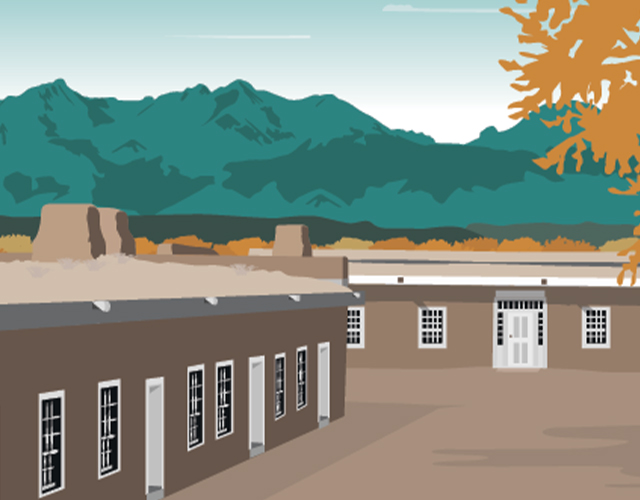
In 1776, as British colonists launched a revolution along the eastern seaboard of North America, events in the Rocky Mountain West inaugurated another pivotal chapter in American history. That year, two Franciscan priests named Domínguez and Escalante set out from Santa Fe into territory unknown, lands claimed by Spain but controlled by the Tribes who called it home. With Indigenous guides and the help of Native tribes, the Padres and their party of twelve navigated harsh terrain, mapped vital trade routes, and documented Native cultures that had thrived in the region for centuries before Europeans arrived.
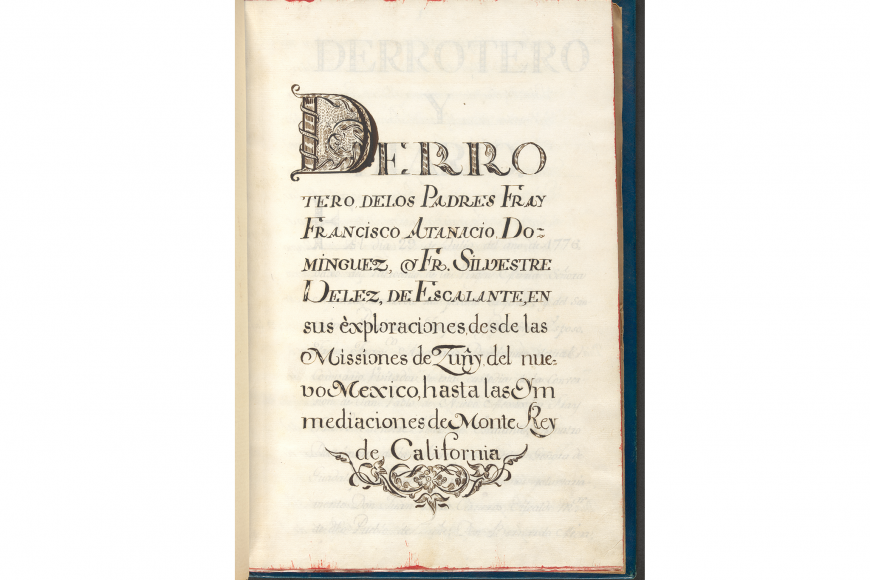
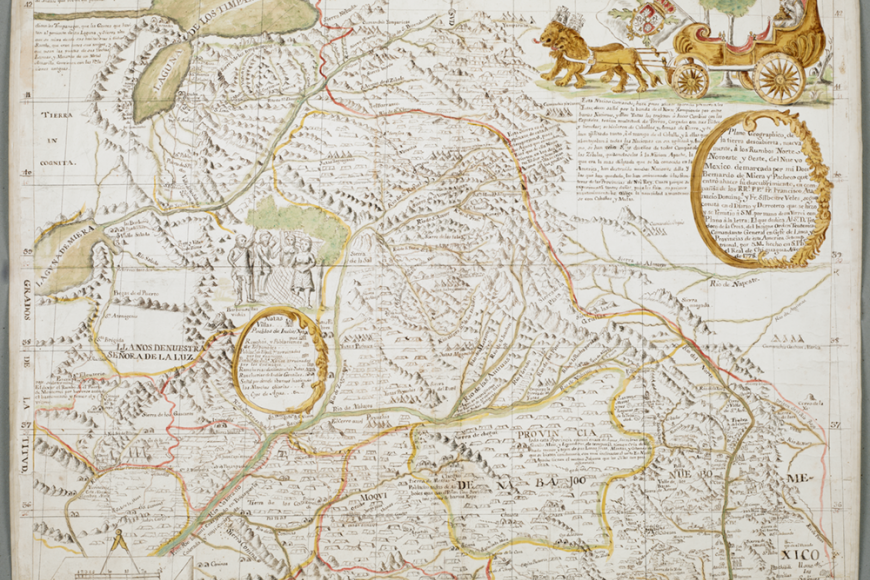
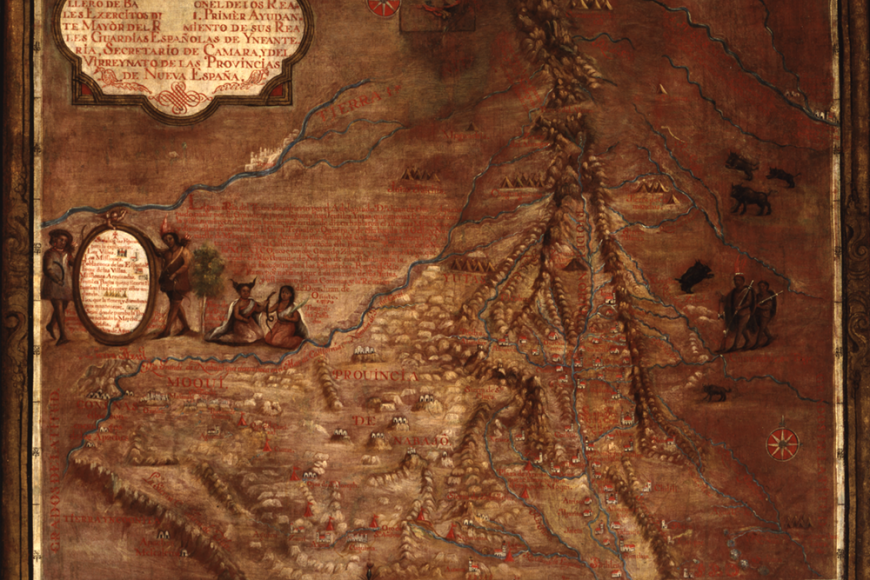
Their journey was one of the earliest European expeditions through present-day Colorado and the Mountain West, and its impacts would ripple through the region for centuries to come. The artistic maps created on the expedition by Bernardo de Miera y Pacheco guided future settlers colonizing the territory. The rugged terrain they traversed—marked by jagged mountains, deep canyons, wild rivers, and arid deserts—became part of the Old Spanish Trail, a key trade route connecting the Rockies to the Pacific. And the journal Escalante kept during the journey shaped generations of thought about what became the American West.
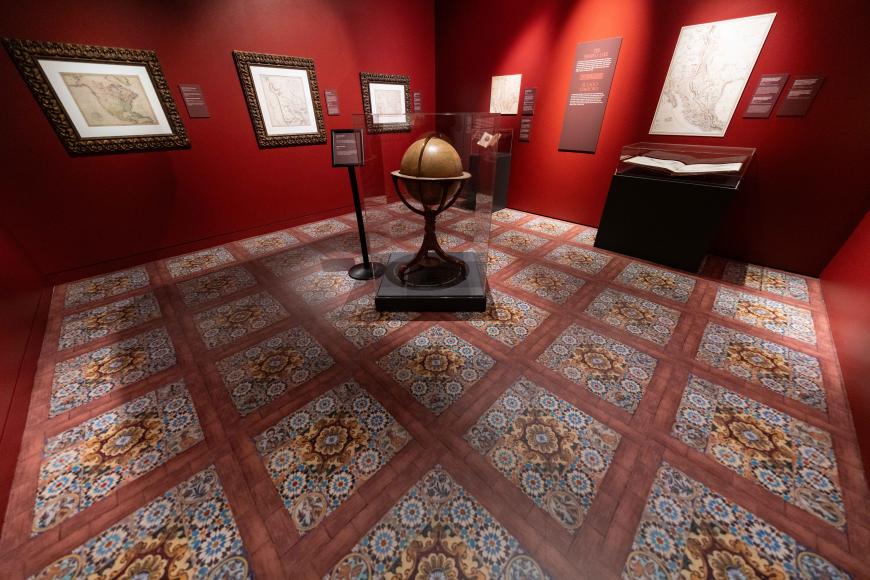
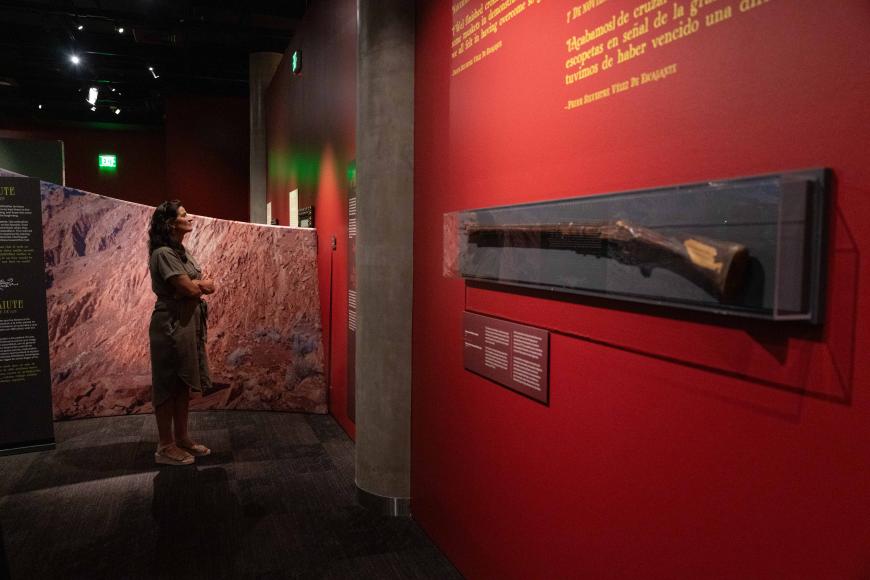
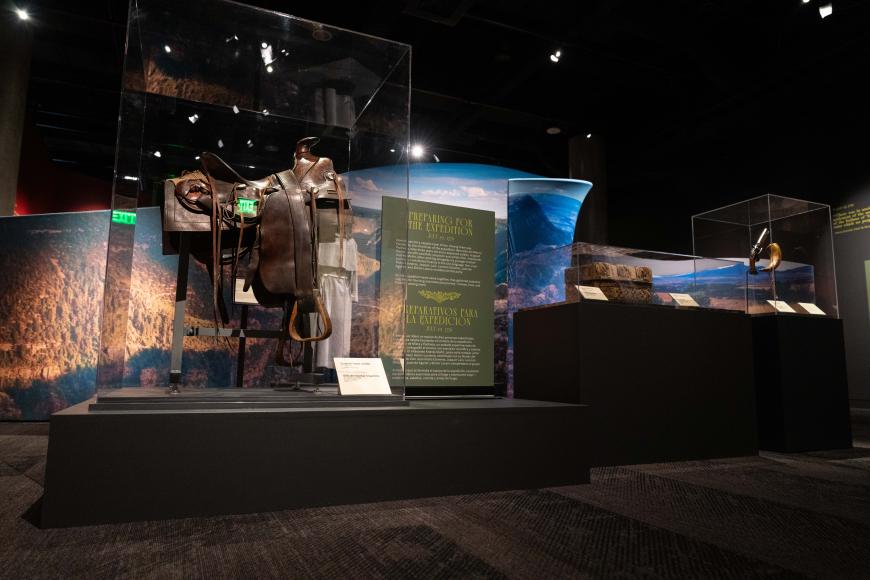
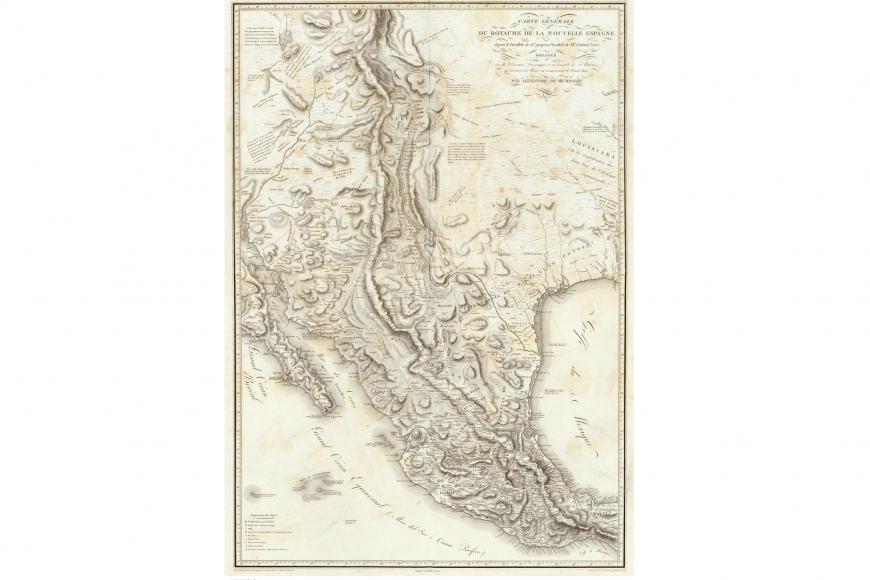
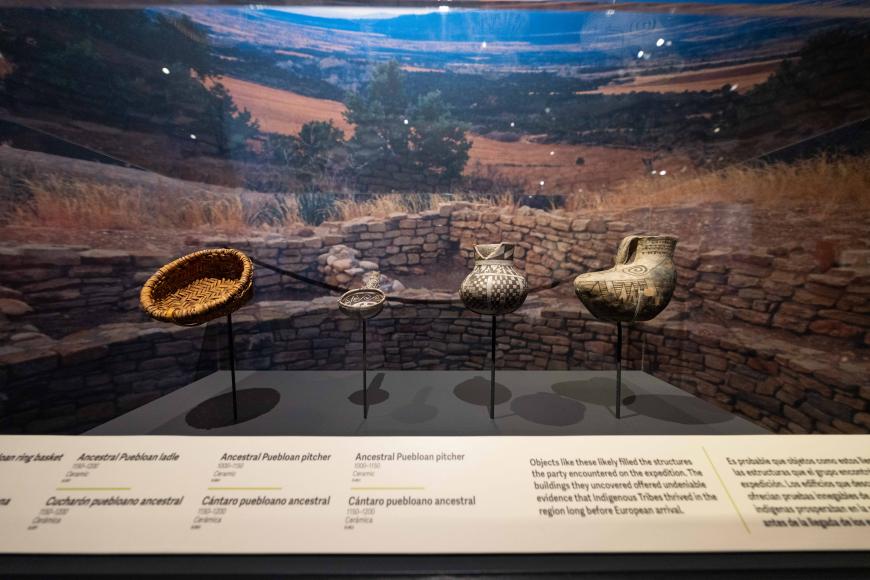
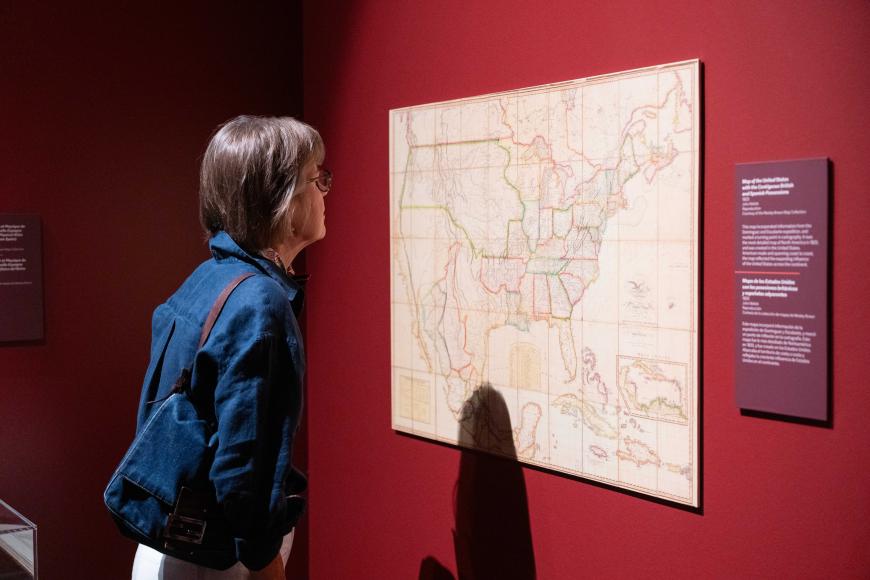
Carefully selected artifacts, accounts from Escalante’s journal, and stunning landscape photographs will invite visitors to retrace the journey. A specially assembled collection of rare archival maps will trace Spain’s growing knowledge of the West before the journey and how the Domínguez and Escalante expedition’s cartographic contributions continued to shape maps of the region well into the American settlement period.