
 Membership
 Donate
 Shop
Shop
















Strike: National Florist Workers vs Kitayama
Winner of the 2025 Barbara Sudler Award
The 17th Biennial Barbara Sudler Award recognizes the best work of nonfiction or fiction on a western American subject by a woman author.
“You have to see yourself in the context of history and the experiences [communities] have. Remembering is a critical cultural asset and is important for reconstructing historical memory.” Dr. Priscilla Falcon.
Dr. Priscilla Falcon was a student at the University of Northern Colorado when she saw Guadalupe "Lupe" Briseño speak for the first time. In Lupe, Dr. Falcon recognized herself: “She was dressed in her work pants, she looked like my parents, farmworkers from Southern Colorado.”
Dr. Falcon’s book, Strike: National Florist Workers vs Kitayama, recounts the moments leading up to a pivotal event and highlights the significance of which Lupe would later speak—a strike in Brighton, Colorado, with national implications.
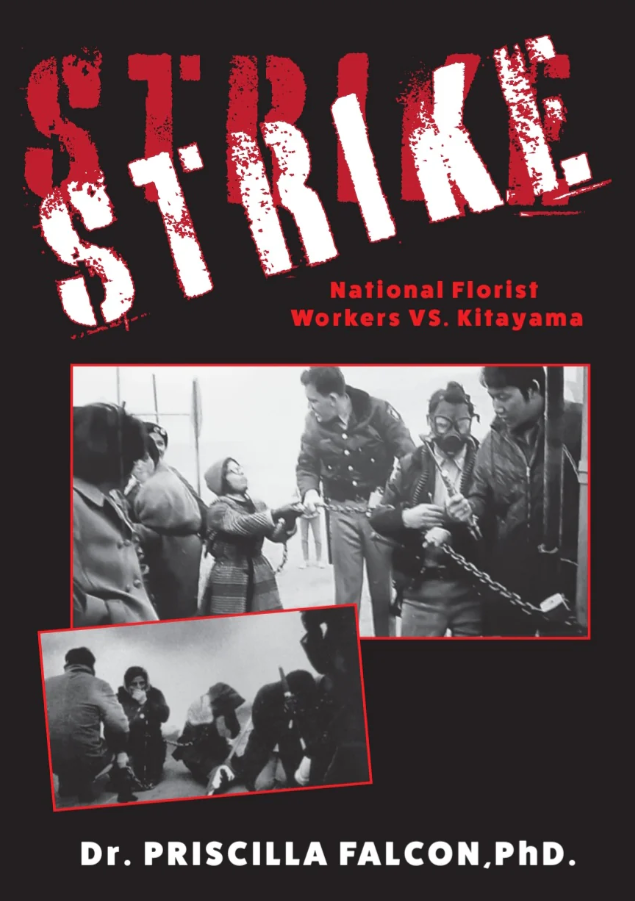
On July 1, 1968, Briseño and other Chicana women workers at the Kitayama Rose and Carnation plant in Brighton, an agricultural community a little more than twenty miles north of Denver, formed the National Floral Workers Organization (NFWO) and went on strike. They sought better wages, benefits and working conditions.
The following year on February 15, 1969, Lupe Briseño, Mary Padilla, Rachel Sandoval, Matha del Real, and Mary Sailes chained themselves to the company gates as an act of nonviolence. Within hours Weld County Sheriffs turned on Tear-Gas machines and sprayed a layer of gas over the women. The 221-day strike captured the attention of Cesar Chavez and became a key moment in El Movimiento, the Chicano Movement.
Using a variety of sources including interviews with organizers of the strike, NFWO affidavits, letters, press releases, telegraphs, court case records and the Lupe Briseño archives when compiling the research, Dr. Falcon’s book captures the nuance of a complex experience. The workers and larger community would come together to persevere through difficult and inhumane conditions, violence and mistreatment. “Brown women, oppressed women, women of color are overlooked and not seen to have agency and these women still said, we are going to do this.”
The goal of this work, according to Falcon, is to preserve historical memory: what people recall from activism, organizing, beliefs about social justice, their willingness to take up the struggle. Centering the voices of the women was particularly important.
“People need to hear these insights, researchers can gloss over the important day to day events that make you stay or become stronger in your conviction.”
Although Lupe Briseño passed away in July of 2024, she was able to experience the book before her passing.
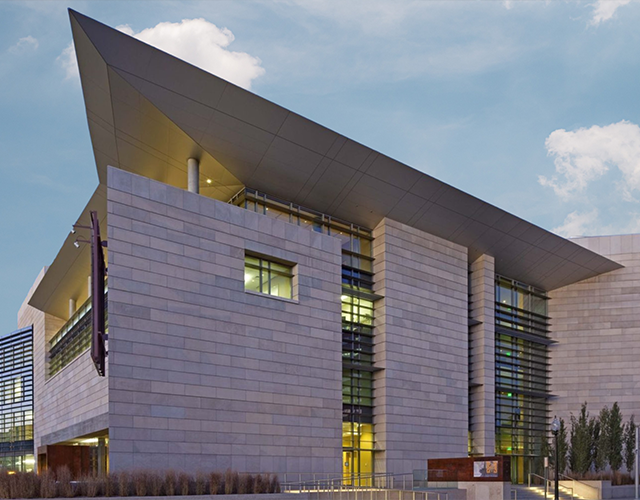
Dr. Falcon will be speaking at the History Colorado Center as part of the Rosenberry Lecture Series on March 19, 2025, with a book signing to follow.
More about the author
Dr. Priscilla Falcon traces her family roots to the village of Abiquiu in northern New Mexico. Her ancestors founded the settlement of Los Valdezes on the banks of the Rio Grande River in the San Luis Valley, where she grew up. Dr. Falcon completed her M.A.(1985) and PhD(1993) at the Josef Korbel School of International Relations at the University of Denver.
Her academic research studies included travel to Mexico, Nicaragua, Honduras, Costa Rica, and Turkey. Dr. Falcon was a faculty member at the University of Northern Colorado for 29 years, where she also served as Director of the Colorado Oral History and Migratory Labor Project. Dr. Falcon retired in 2023 and is currently an Emeritus faculty member of the Department of Chicana/o and Latinx Studies at the University of Northern Colorado. She continues to hold membership in several local and regional professional organizations.
More about the award
Entries for the Barbara Sudler Award are single-volume, single-author works (not co-authored or edited books or anthologies) of fiction or nonfiction that have a strong western character and link to one or more western themes. Subjects may include history, natural history, literature and the arts, folklore, and social or cultural life of the past or present.
Named in honor of the first woman to serve as Colorado’s Historic Preservation Officer, the award honors a work about a western American subject by a female author. It carries a cash prize of $500 for the author. Awarded biannually, it has been received by thirteen talented scholars, artists, and historians since 1992. Winning works have covered a broad range of subject matter relevant to Western history—from photography collections to autobiographies to a history of barbecue—and have addressed community experience in Colorado, Texas, and New Mexico.
History Colorado Center volunteers and staff complete the first round of judging and narrow it down to two finalists. Three judges then select the winner. The judges responsible for selecting the winning work are usually scholars, including a previous winner.
Judges of the award consider technical criteria like author creativity and clarity of organization and purpose, as well as the significance of the book to an understanding of the West and its people; the degree to which the author has lived up to the subject’s potential; the ability of the author to keep the reader interested throughout; and the book’s potential for making a long-term contribution to scholarship and knowledge about the West and the success with which the book will be meaningful to a broad audience.