 Membership
 Donate
 Shop
Shop














Community Collection Projects
Antonito
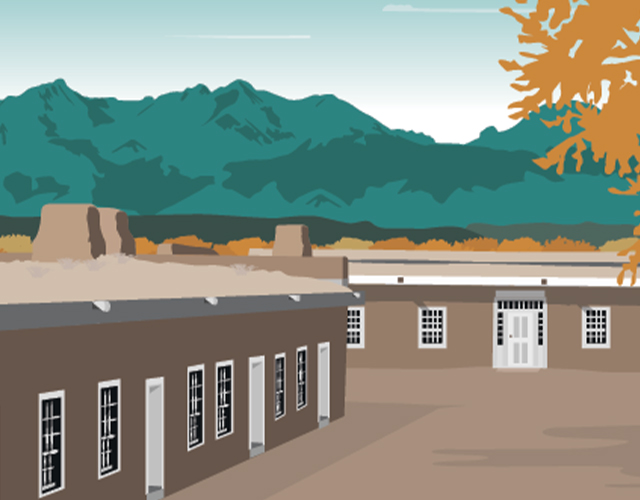
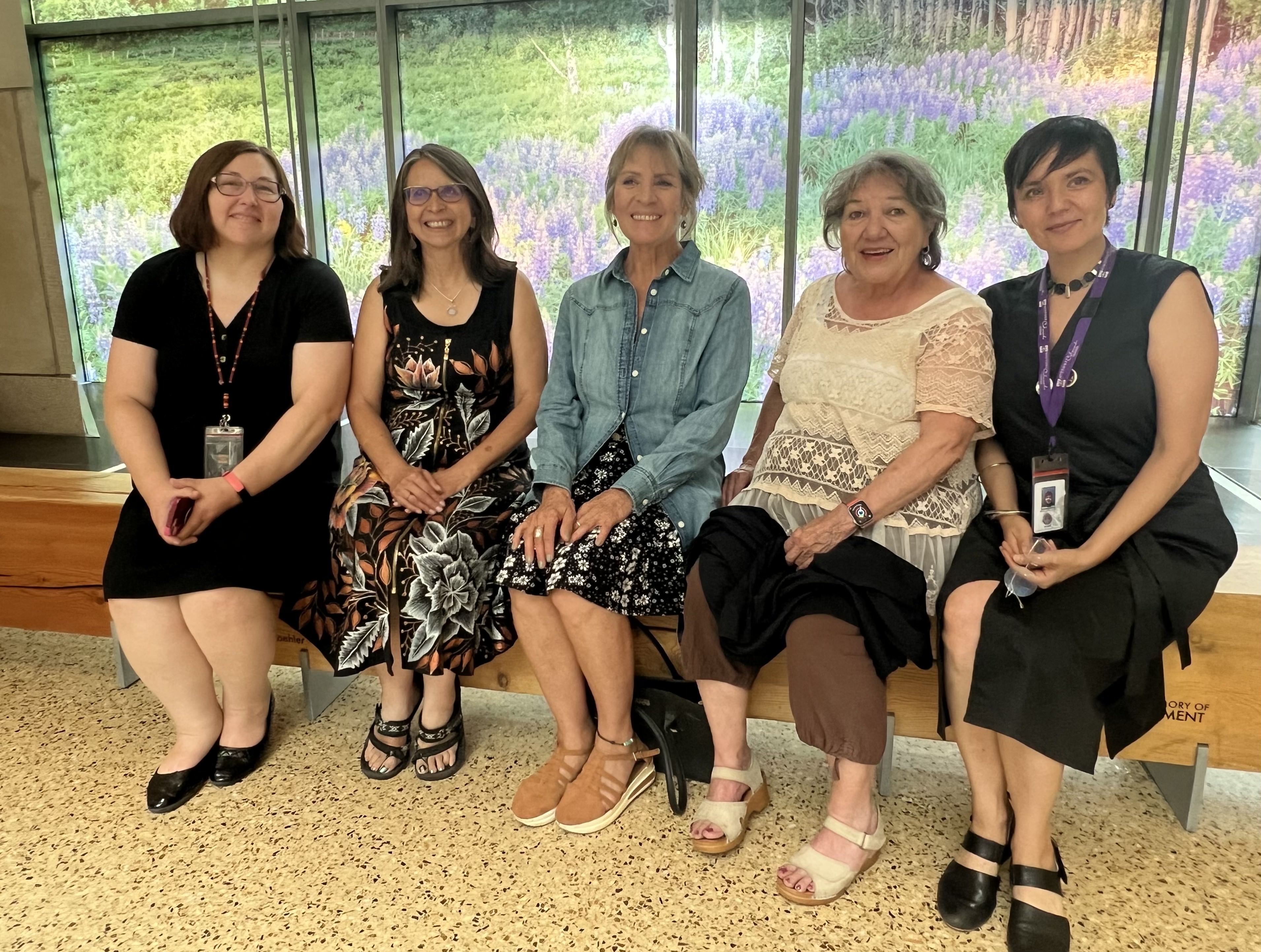
Antonito Together, a local community-based organization, partnered with History Colorado to co-create a community collection that reflects the motivations, perspective and knowledge of the Antonito community and the surrounding villages. This approach to listening to the community about the stories that matter to them, and making sure their knowledge is the driving force behind the collecting and interpretive efforts is applicable to any archive and library looking to build alongside community members collections that are inclusive and representative of communities.
Browse the Antonito Community History Collection→Explore the Antonito Community Map on HistoryPin→
Avondale
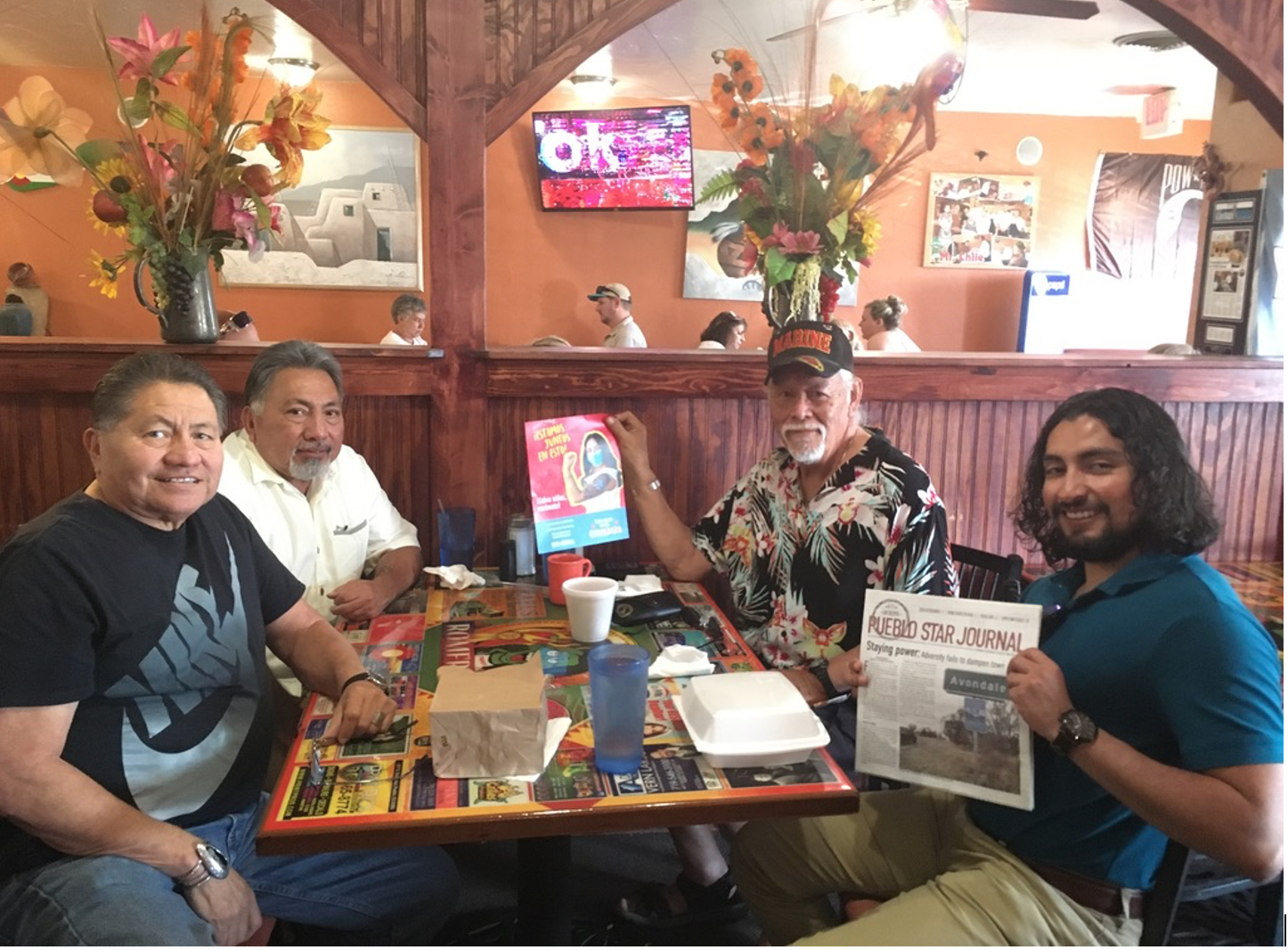
The Avondale Resident Team, a local community-based organization, collaborated with History Colorado to identify and co-design access and dissemination strategies for their community-defined collection already housed at History Colorado’s archive. This approach to listening to the community about what they need to activate and use their own records–and making sure the community’s expertise and lived experience is the driving force behind the accessibility and dissemination efforts–is applicable to any archive and library interested in developing inclusive methods for connecting communities to the collections they have co-authored or that feature them.
Browse the Avondale Community History Collection→
Click here to access the Annotated Bibliography for the Antonito Community Collection.
This project is a collaborative effort with contributions from team members at History Colorado collaborating with the Avondale Resident Team and community members from Avondale. We thank these community members for the knowledge we have gained working with them. Special thanks go to the project’s community partners Lynn Soto, Kassi Robinson and Jennifer Trujillo.
San Luis
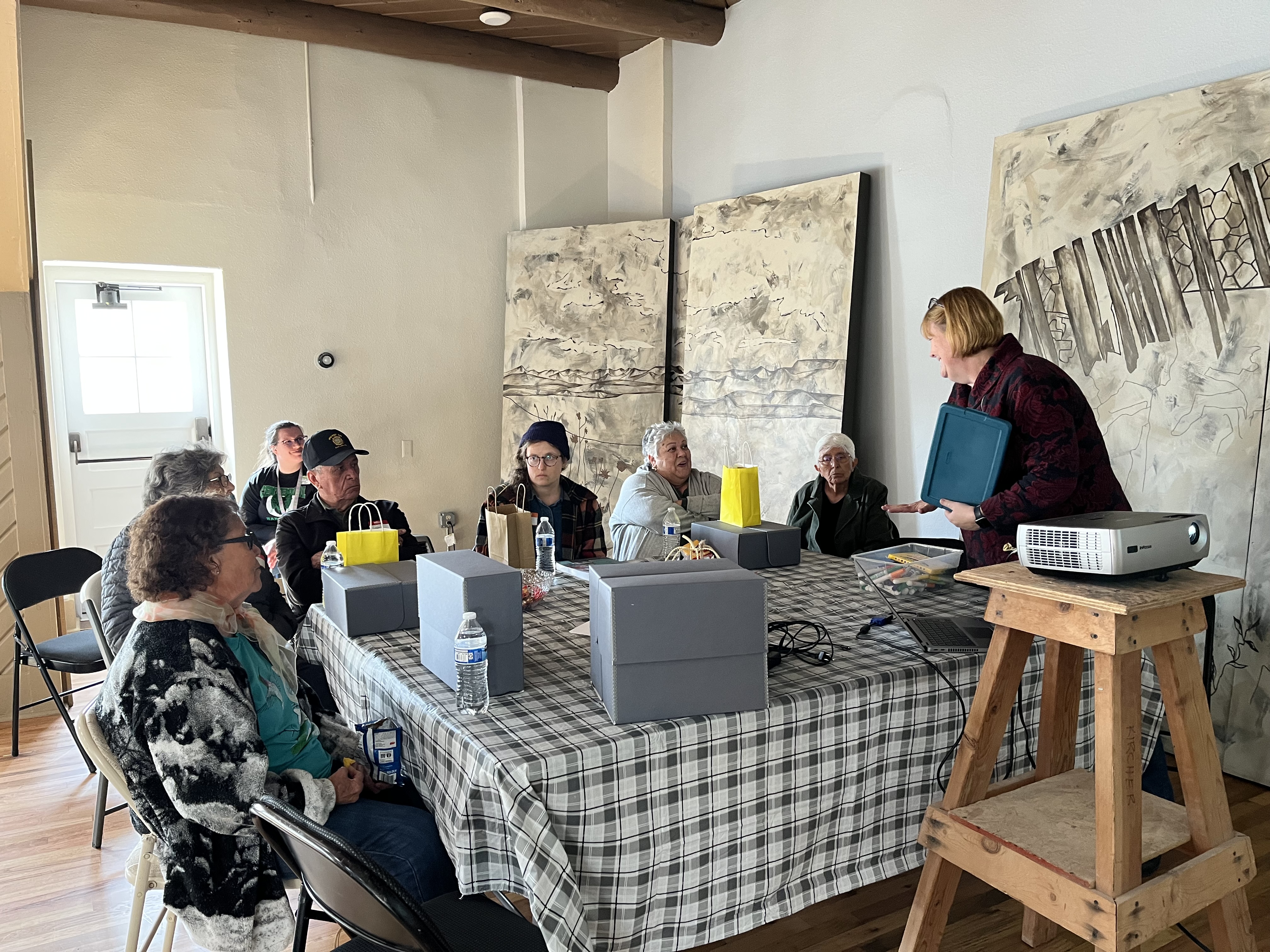
Community members in San Luis, Colorado, and the Sangre de Cristo Heritage Center, a local town museum, worked with History Colorado to learn, implement best practices and identify opportunities to better care for their collections of artifacts, oral histories, objects, and images. This approach to listening to the community about what they need to care for their own historical and cultural property–as opposed to making assumptions that these should be placed in hands of larger repositories––is applicable to any archive and library interested in supporting community members, smaller cultural organizations and community based repositories to build, strengthen or improve their collections stewardship capacity.
About the Project
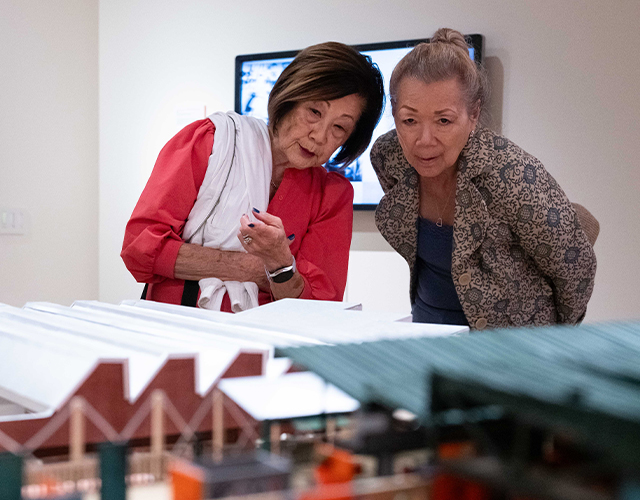
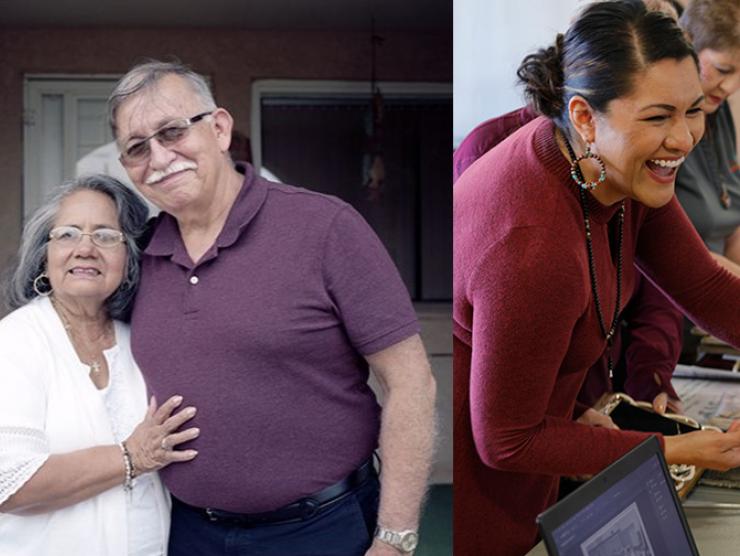
History Colorado collaborated with three Hispano, Latino, and Chicano communities in Southern Colorado-- Antonito, San Luis, and Avondale--to create community collections that reflect the perspective, motivations, and knowledge of each community. Together we reflected on what it takes to do this kind of collaborative work and co-developed a model to guide other archives and communities seeking to do the same.
Project Goals
- To support and address the needs of three communities in Southern Colorado to explore and interpret their local history on their own terms.
- To prioritize the interest of communities in interpreting, preserving, and making accessible their local histories on their own terms through the collaborative creation of community collections.
- To co-create with three communities in Southern Colorado a replicable model for developing community-centered collections in museums, libraries, and archives.
Why does this work matter?
Representation
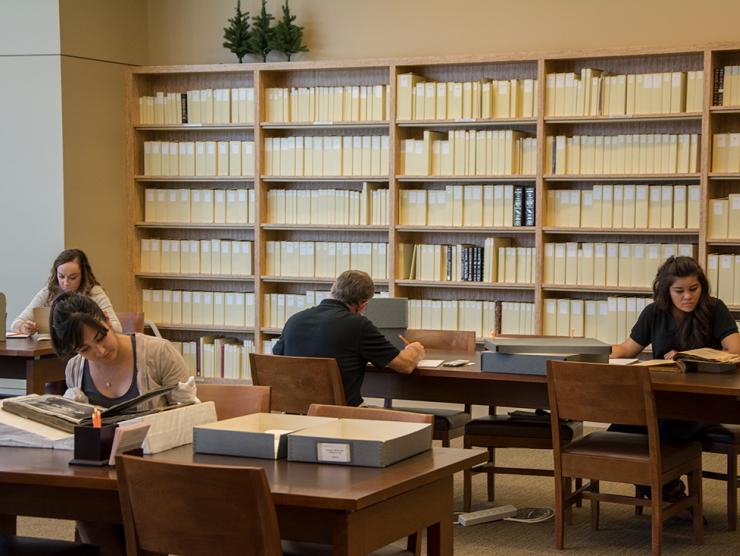
Representation in archives and libraries is an ever-present challenge. Working collaboratively with communities to create a fully representative record of their experiences and history is necessary to accurately reflect the people of Colorado and our communities. Museums, libraries, and archives need to create pathways to include different perspectives and the community voices.
Addressing Missing or Inaccurate Narratives
Stories from BIPOC communities are often missing or incorrect in traditional archives and libraries. Collections may have inaccurate or offensive information about local histories, due to past archival decisions about which stories are deemed relevant and which are overlooked. Collaborating with communities to reanimate the stories that have long existed only in the margins makes collections more comprehensive, inclusive, and accessible for the community, facilitating its activation in the present and future use.
Community Authorship & Ownership
It is important for communities to represent their experiences and collective pasts in the archives on their own terms, rather than having those experiences filtered through the existing framework in archives and museums. Advocating for and acknowledgement of community-based knowledge and expertise is essential to the creation of a more inclusive and polyvocal Colorado story.
Building Community Capacity for Local History Work
More efforts are emerging from within communities to collect, preserve, and make accessible their own histories. Locating opportunities to support communities to strengthen their internal capacity to do local history work with training and collaboration is critical to the long-term sustainability of these efforts.
Evaluation and Learning
How can archives and libraries collaborate with communities to make local history collections accessible on the communities’ own terms? We learned together!
A central goal of this project was to formulate lessons learned to guide other archives and communities and for future use of the project by community project partners. Evaluation was an important component of this project.
This project employed a bottom-up approach to evaluation that was guided by those involved in the project--HC's staff, community partners and community members. This participatory approach to evaluation provided opportunities for all those involved in the project to be partners in determining the effectiveness of the project, serving as a mechanism for empowerment.
Throughout the project, History Colorado staff, community partners and community members reflected on their experiences with the project to provide insights that guided the process. At various points throughout the project, History Colorado and community partners collaborated in the design and implementation of the evaluation for this project (including asking the "what" questions, collecting data and interpreting results). Throughout this collaborative process, we shared decision-making and engaged in mutual exchange of critical understandings and learnings from the project. This ongoing reflection embraced community's knowledge, ideas and goals in order for the project to authentically center community values and priorities.
Download the Antonito Community Collection Fact Sheet to learn more:
Download the Avondale Community Collection Fact Sheet to learn more:
Download the San Luis Community Collection Fact Sheet to learn more:
Who We Are
This project was made possible in part by the Institute of Museum and Library Services [Supported by funding from IMLS, award # PB-274243-20].
IMLS is an independent federal agency that provides library grants, museum grants, policy development, and research. It is the main source of federal support for libraries and museums within the United States.
The mission of IMLS is "to advance, support, and empower America’s museums, libraries, and related organizations through grantmaking, research, and policy development."
History Colorado is committed to diversity, equity, and inclusion.
This work is rooted in History Colorado’s Anti-racism Grounding Virtues.