
 Membership
 Donate
 Shop
Shop





















Ada Belle Evans
The trailblazing Black mayor who changed the face of Colorado.
Nested in a high-mountain valley known as South Park (the inspiration for the famous cartoon of the same name) in the rural Rocky Mountains, Fairplay is one of Colorado’s oldest mining and ranching outposts. It’s part of the traditional homelands of the Ute people, among other Tribes, but white settlement in the area began in 1859 during the Colorado Gold Rush. The town’s name came from the “grab-all” mentality common among the era’s gold seekers. But a different attitude characterized Fairplay’s founders, and some established miners were able to organize themselves to create the town of Fairplay, a place where all were welcome and all “played fair” (or so the legend goes).
Fairplay began shifting its economy towards ranching and tourism in the early twentieth century, a shift that picked up momentum in the decades following World War II as Colorado’s high country became known world-wide for its natural beauty and opportunities for outdoor recreation. But aspiring ranchers and adventurous tourists weren’t the only ones migrating into the area. An African American family landed in this high-elevation town (at 9,953 feet) and made their mark in Colorado history.
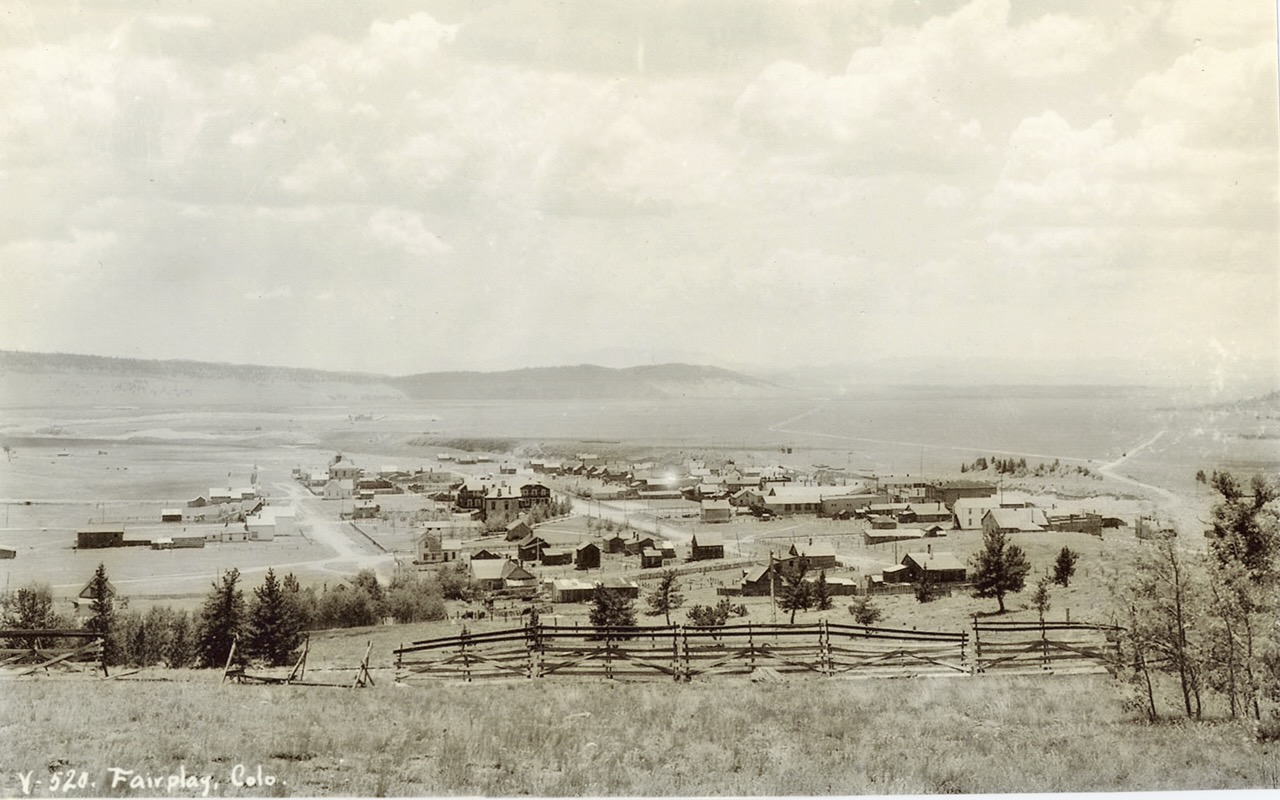
Looking over the town of Fairplay in the late 1800s.
Ada Belle Evans became Colorado’s first Black woman mayor when the people of Fairplay voted her into office in 1974. Now, fifty years after her groundbreaking election, I find myself reflecting on Evans’s family life and what her extraordinary achievements tell us about the ways Colorado has changed in the last 150 years.
Early Beginnings of the Evans Family
Born in Langley, South Carolina on June 9, 1932, Ada Belle Huff grew up in a small rural town where many labored in the surrounding chalk beds and textile mills. Townspeople called it "the valley." As African Americans living in the American South at that time, the Huffs faced various forms of racial discrimination under Jim Crow. Discriminatory banking practices often barred African Americans from getting home loans. Redlining, a discriminatory practice whereby lenders would deliberately and strategically avoid giving mortgages to people living in predominantly Black neighborhoods, was common. It had the effect of segregating towns across the country. Policies from the Federal Housing Administration fueled this practice and actively encouraged redlining throughout the early twentieth century. Consequently, many Black residents had to build homes themselves. Ada grew up in a home her father, along with other members of the community, built. The house lay on a dirt road across the street from the Baptist church where her family attended every Sunday, and everyone was close-knit.
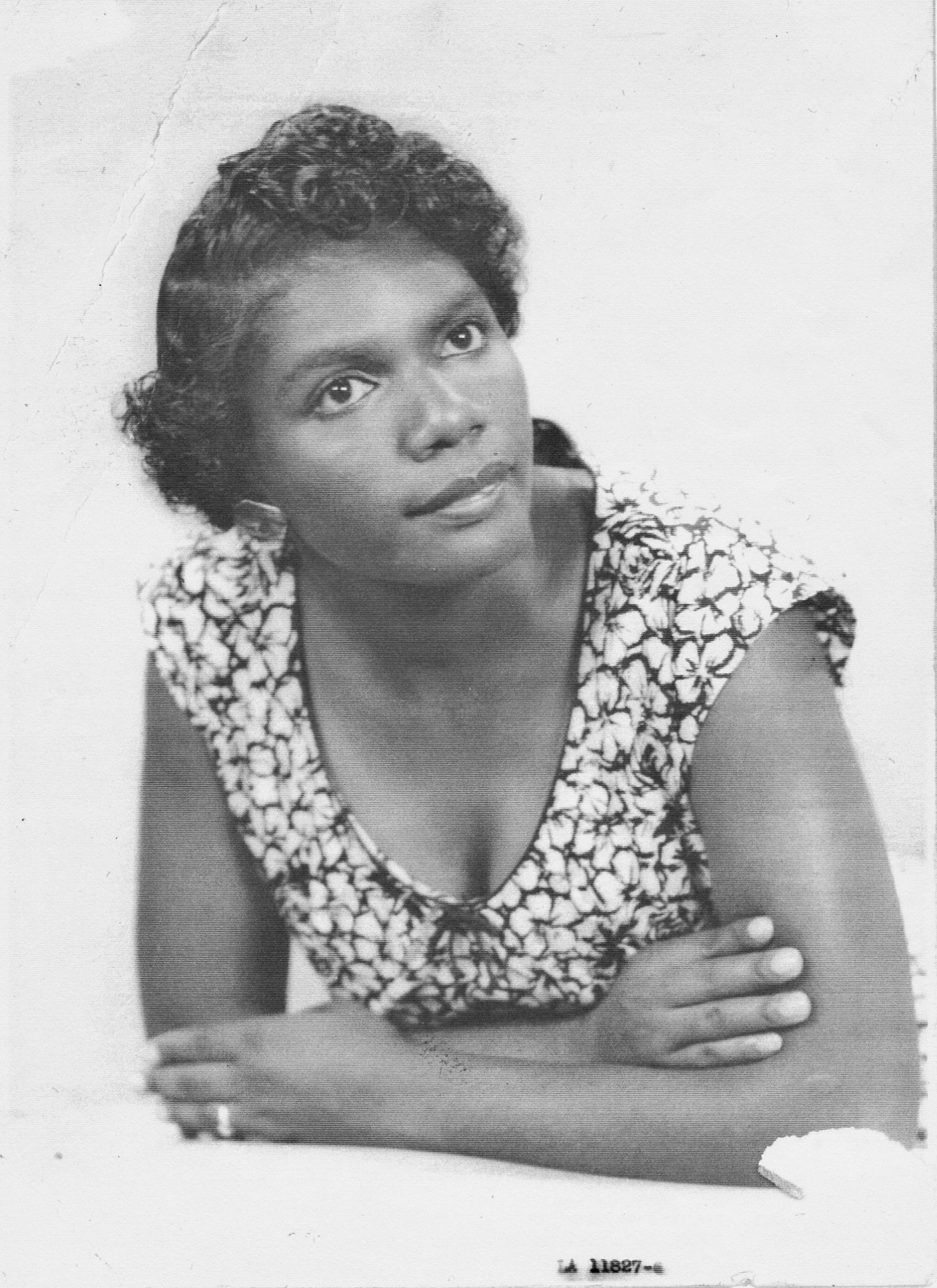
Portrait of Ada Belle Huff Evans
The Huff family showed spirited determination and diligence. The household included two brothers and two sisters. Her mother worked in the school cafeteria, and her father labored as a barber and worker in the nearby chalk bed. Unfortunately, he passed away in his sixties from a respiratory illness his granddaughters believe resulted from his exposure to calcium carbonate and sulfate in the chalk. At the time, many residents only received up to an eighth-grade education, but Ada, affectionately known as Belle, stood determined to go further. She pushed through many challenges to graduate high school and attend college. In 1951, she went to Benedict College with the goal of becoming a science teacher, and graduated Magna Cum Laude with a degree in biology.
Upon graduating in 1955, Ada returned home to work as a student teacher at her alma mater, Martha Schofield High, back in Aiken County. There she met her husband, Ray Evans, a teacher at the school. They decided to start a family. In the early 1960s, the small-town couple moved to Los Angeles, but they failed to land teaching jobs there. Money was tight, and the birth of their first daughter, Cheri Evans during their time in Los Angeles, didn’t make their situation any easier. To ease the financial stress, Ray worked in the post office, and his brother offered to let the family stay with him while they figured out their next steps.
Eventually, Ray Evans took a job offer as a music teacher in the small town of Agate, Colorado, just east of Denver. The family packed up and moved to Denver, where they lived in a duplex on Thirty-sixth and Glencoe in the Park Hill neighborhood where their second daughter, Rachelle, was born in 1962. Ada hoped to secure a full-time teaching position with Denver Public Schools at that time, but unfortunately, none became available. She decided to substitute in Denver and Commerce City, and also found work as a cashier at a King Soopers supermarket. Rachelle and Cheri remember childhood bike rides, enjoying the community pool, and playing with other children in the predominantly African American neighborhood due to the effects of redlining.
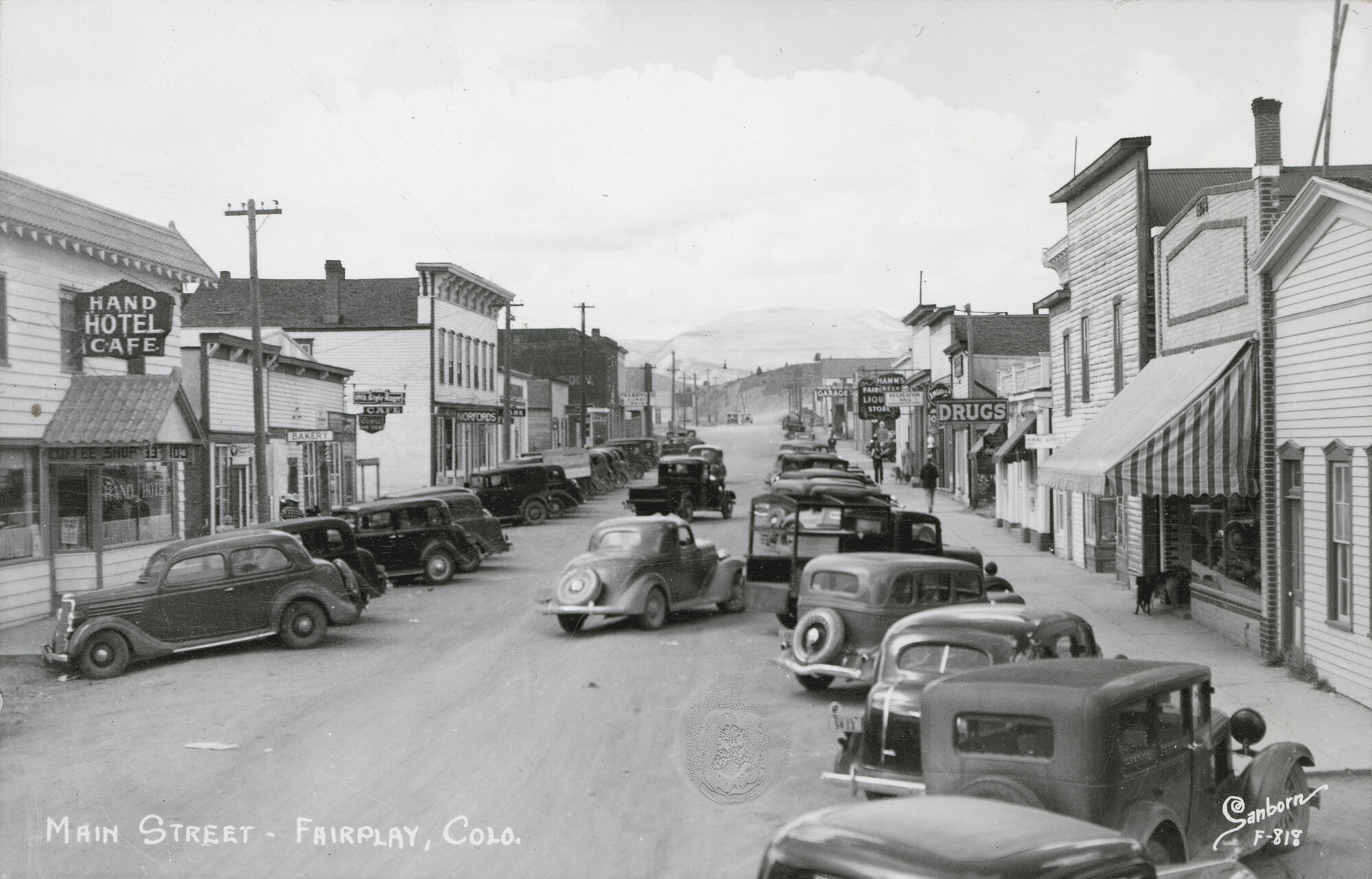
Main Street of Fairplay, 1940.
The Family Moves to South Park
In 1963, Ray accepted a position as music director and instructor at South Park High School in Fairplay, around sixty miles southwest of Denver, making the long commute back and forth every week for three years. When a science teacher position opened up at the same school, Ada applied and soon joined her husband on staff in 1966.
Upon moving to Fairplay, the Evans family quickly noticed that, of the approximately 500 people living in the remote mountain town, they were the only African Americans. There were also political differences, but the Evanses found commonalities with their new community. Most of the residents were from a working class background, and for much of the daughters’ time in elementary school, they felt welcomed. The daughters enjoyed elementary school, but junior and high school were a little different. Rachelle remembers that’s when differences regarding race began to shape which roles she could get in the school plays and who she could date.
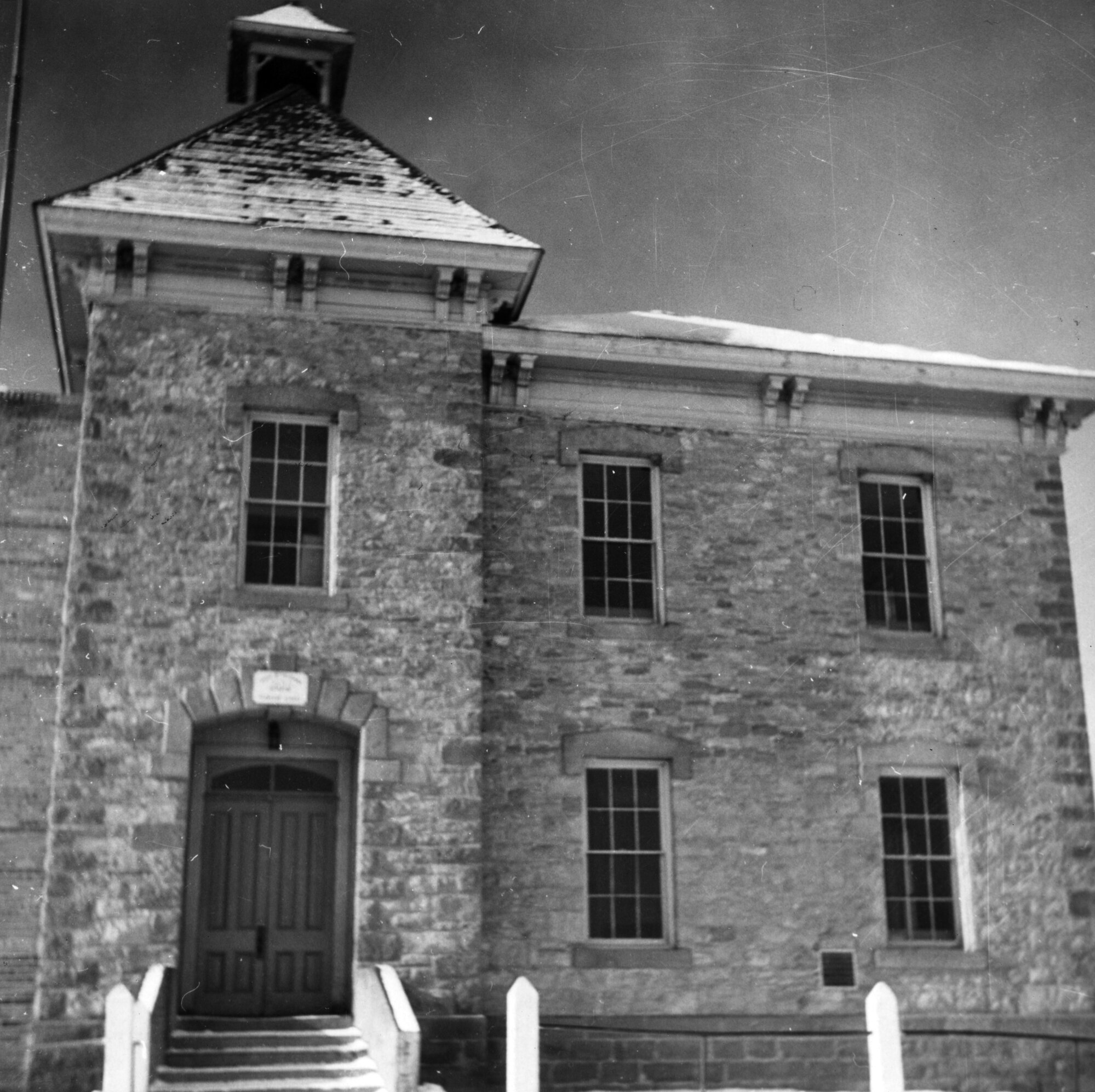
Fairplay School, 1950-1970.
Ada taught all the sciences at the high school, including biology, physics, and chemistry. Her classroom was described as hosting a menagerie of sorts, filled with tadpoles, dragonflies, and various other insects. Ada’s students described her as a curious person, someone who just found people interesting; Fairplay’s townspeople perceived her as loving, caring, and generous. She began to take the pulse of things going on around town. Rachelle recalls Ada’s good friend, Mrs. Johnson, the South Park kindergarten teacher, joking around with her saying “you should run for mayor!” And eight years after she started teaching at South Park High, Ada decided to just go for it.
Ada’s campaign focused on better roads, expansion and care of recreational facilities, and attracting industries to the area to improve employment opportunities. She was always frustrated walking over the rough dirt roads, and she wanted to pave some of Fairplay’s streets. In one news article, she complained that she broke too many heels on her shoes walking over those rocky roads.
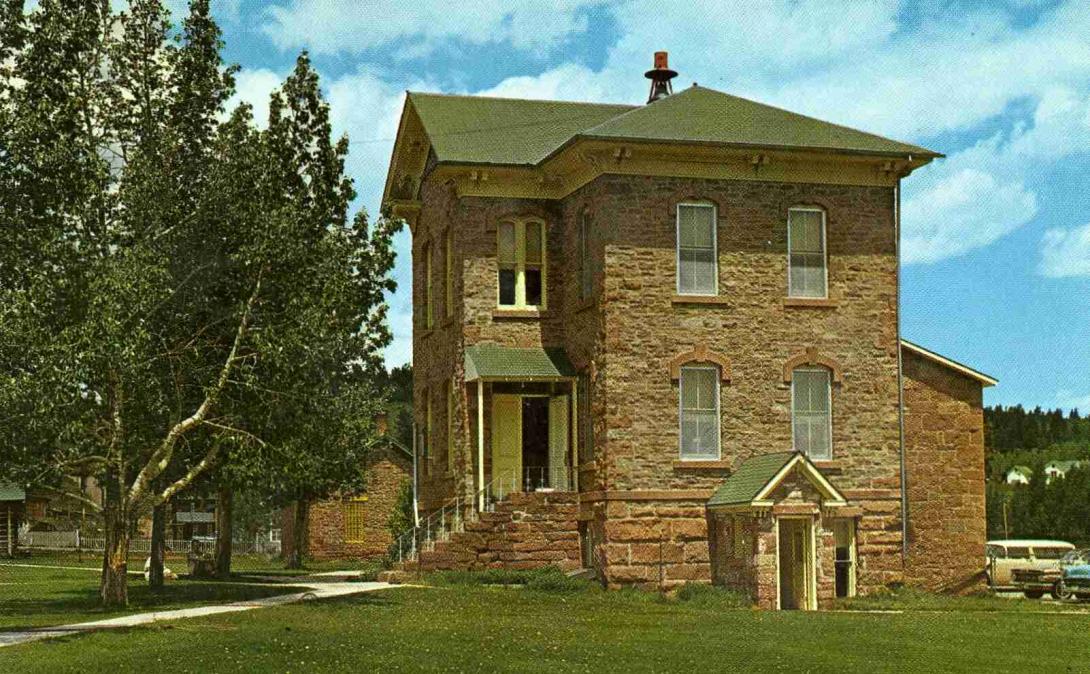
Park County Courthouse built in 1879.
In 1974, she beat the mayoral incumbent and another contender, winning sixty-five votes compared to their forty-nine and forty-five votes, respectively. She became the first Black mayor to win by popular vote in the state of Colorado and the first woman to be elected in Fairplay. She served two consecutive two-year terms.
Ada made important policy shifts after taking office. She explored federal revenue-sharing options rather than increasing residents’ taxes to pay for much needed equipment, facilities, and other resources the town desperately needed. She spent much of her time writing proposals to secure federal funds in order to build low-income housing units including two to three duplexes, find avenues to attract various industries to expand job opportunities, and improve road infrastructure.
In contrast to big city administrations, mayors of small, rural towns often face different challenges and opportunities. For example, one of Ada’s concerns centered on making sure that residents could walk on paved roads and enjoy adequate housing. She advocated for rural towns, hoping to grow awareness and expand economic development. Lack of housing posed a big concern. When she and her family moved to Fairplay eight years before, they had trouble finding a place to live due to a housing shortage. They eventually found a home, but they had to renovate and enlarge it first.
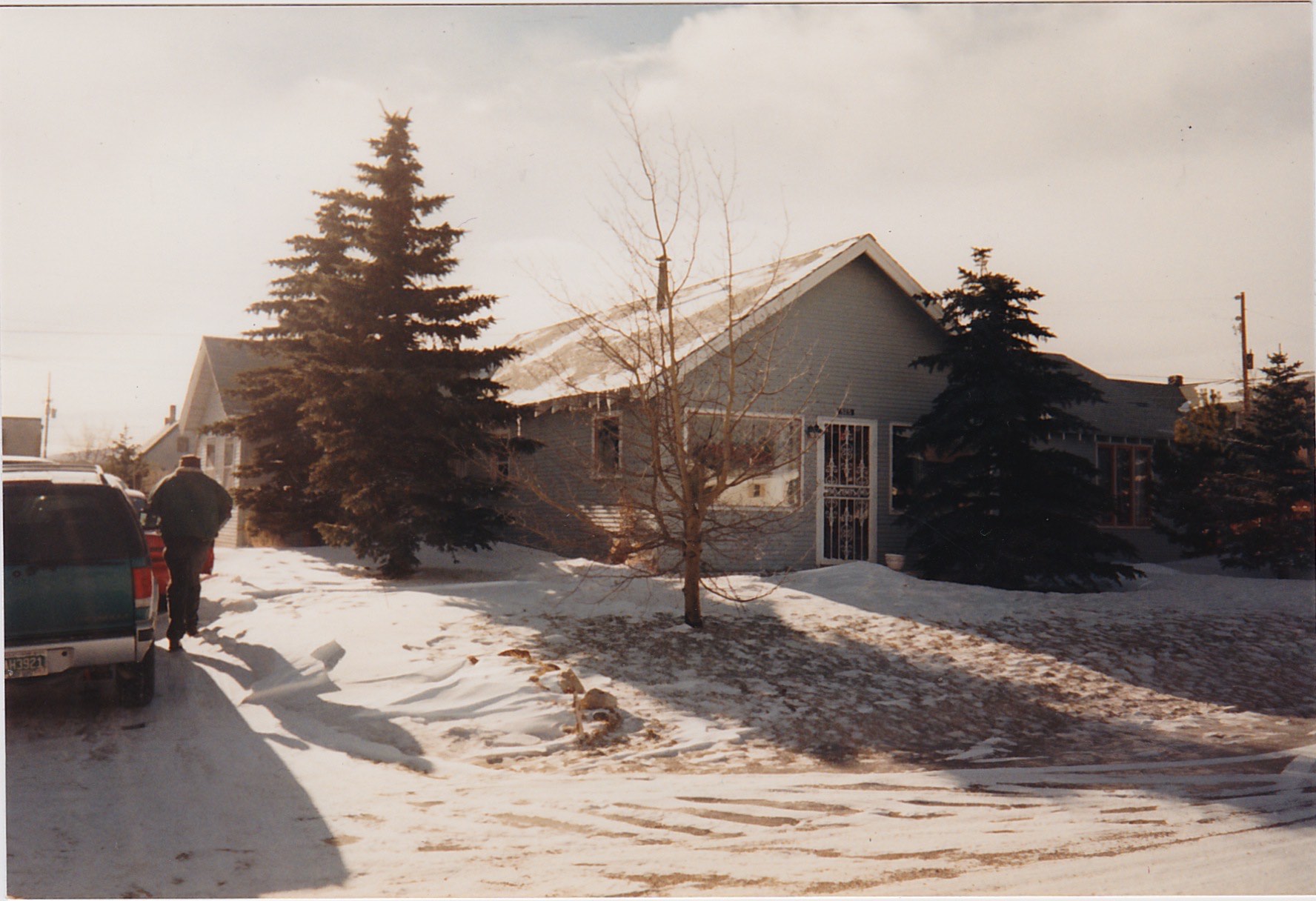
The Evans’s family home in Fairplay.
Ada’s time in office saw many accomplishments, both professional and personal. She expanded the variety of job opportunities in the communities and developed plans to attract new industries into the area. Ada wanted to make sure that people could find jobs that fit their skills and improved the visibility of the town. Her attempt to expand recreational facilities led to the creation of the South Park Recreation Center years later. In doing so, she sought ways to secure federal revenue-sharing and grants for the recreation center. Completed after she left office, the facility, still standing, came as a result of her laying the groundwork. While in office, she also completed her master’s degree in science education from the University of Northern Colorado in Greeley.
Ada’s daughters’ recollection of the relationship between their parents was that they were friends who complemented each other. Cheri and Rachelle describe their mother as serious and their father as perpetually jovial, adding levity to their lives. Both parents were also great dancers. The sisters also vividly remember helping their mother take care of the local parks like Cohen and the tennis courts by raking leaves and cleaning up after events. It seems like the townspeople were very proud of Ada for putting Fairplay on the map. Local and national press coverage of her efforts helped spread community successes nationwide.
Events such as the Vietnam War, civil rights legislation, equality for women, and the assassinations of President John F. Kennedy and Martin Luther King Jr. were the nation’s headlines as the daughters navigated life within their small community, but traveling with their mother helped them see beyond Fairplay. Ada attended political events in surrounding areas like Colorado Springs and Denver. They even remember dropping her off at the Governor’s mansion for an event, at times attending alongside her. During her tenure, Governor Richard Lamm appointed Ada to the Committee on Manpower and Balance of State Funds. She also became a member of the Colorado Council on Women’s Rights.
The family garnered increased attention due to Ada’s newfound celebrity. As the first Black woman mayor in Colorado, Ada, along with family members, occasionally caught the attention of the media. The family received invitations for interviews by local and national news sources such as the Rocky Mountain News, Denver Post, and Jet magazine. Letters from across the United States also made their way to the Evans’ residence.
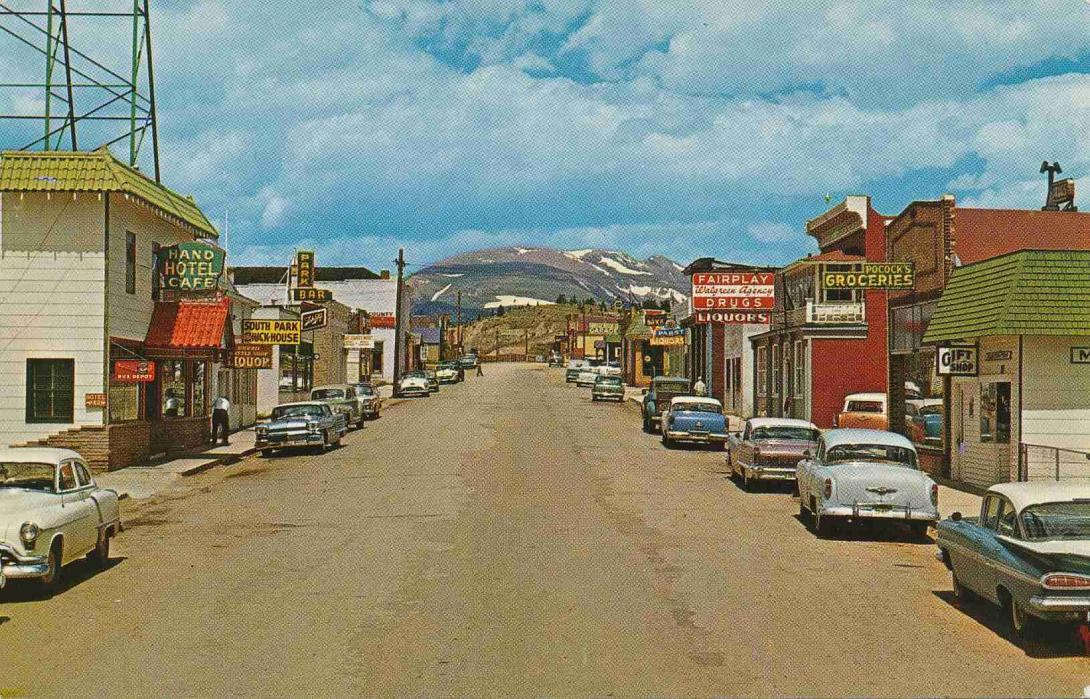
Fairplay’s Main Street, 1972.
Ada’s being in the spotlight put certain responsibilities on the daughters. The girls’ parents strongly encouraged them to be on their best behavior, as they represented the town’s mayor and African Americans everywhere. Their parents imparted to them an important lesson: They should be willing to help anyone in need and that satisfaction comes from loving anyone, regardless of economic circumstance, race, or ethnicity.
After Ada’s appointment as mayor she continued to work at South Park High for some time, but soon experienced burnout from teaching. She decided to become a caseworker for the Department of Social Services in Fairplay. Rachelle and Cheri both finished high school and then went to college at Colorado State University in Fort Collins. Like their mother, both entered public service: They became social workers, called to the work by their family’s values of generosity and championing the underdog. After attending graduate school, Cheri and Rachelle moved to Winston-Salem, North Carolina. Then in 2001, after forty years of living in Colorado, Ray and Ada moved to North Carolina to be closer to their daughters. They lived their retired life enjoying tai chi classes and spending time with extended family. Cheri opened up a private therapy practice, and Ada helped out when she could.
Surrounded by relatives, Ada Evans lived her final days in peace and joy. On June 3, 2011, she passed away in her home after a battle with colon cancer. She was seventy-eight years old.
A Barrier-Breaking Legacy
It’s not only important to honor Ada’s legacy as the first woman, and first African American, to be popularly elected mayor in Colorado. Her merits extend to significant, consequential contributions made through various public policies during her time in office. She increased city infrastructure and social services, secured federal funds for recreational and low-income housing facilities around town, and sought out industries for employment. And she inspired a new generation through her teaching.
Ada made this sanguine comment to the Denver Post that I think really summarizes her spirit just a year into her appointment as mayor: “I love going to school. When I was young in South Carolina, I scrubbed floors and cleaned houses and the more I did that, the more I knew I didn’t want to do that, so I studied hard. I’m a Gemini, and my horoscope said I’d be in high places, so I worked hard and here I am today, mayor of a town that’s 10,000 feet up in the mountains.”
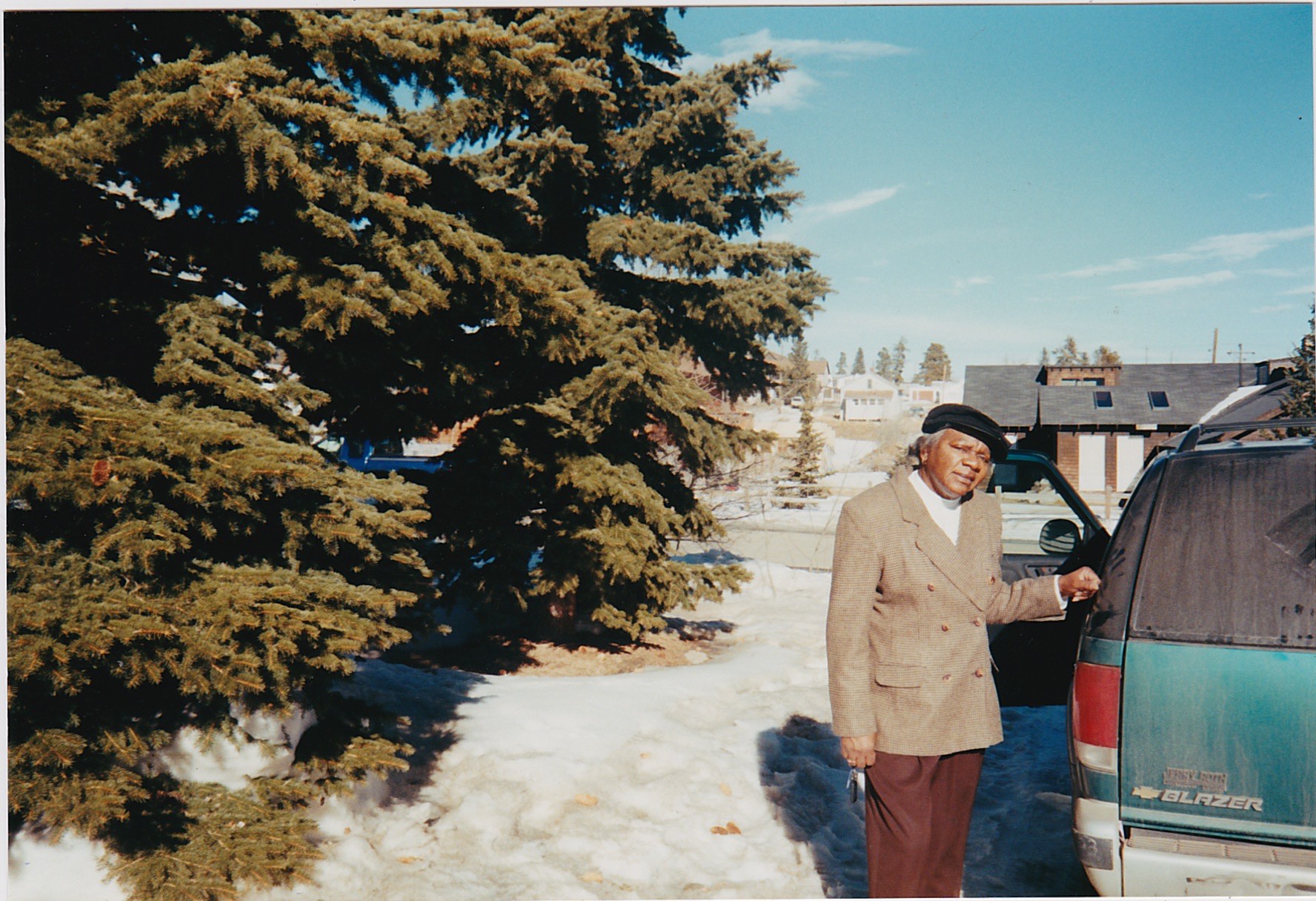
Ada standing in the driveway outside of her home in Fairplay.