
 Membership
 Donate
 Shop
Shop









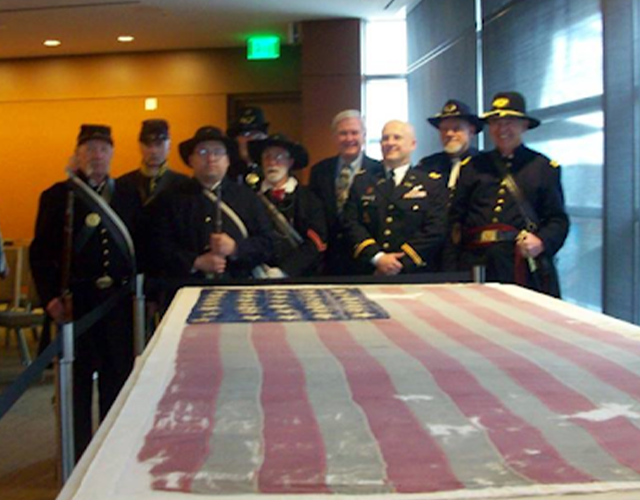







Rosenberry Lecture Series: History for the Curious
Ever wondered how Japanese food became a staple of American dining? Or how maps have been used as tools to shape history? What about the ways our state and our country are celebrating remarkable milestones in 2026? These are just a few of the curious questions we’ll consider with this year’s Rosenberry Lecture Series.
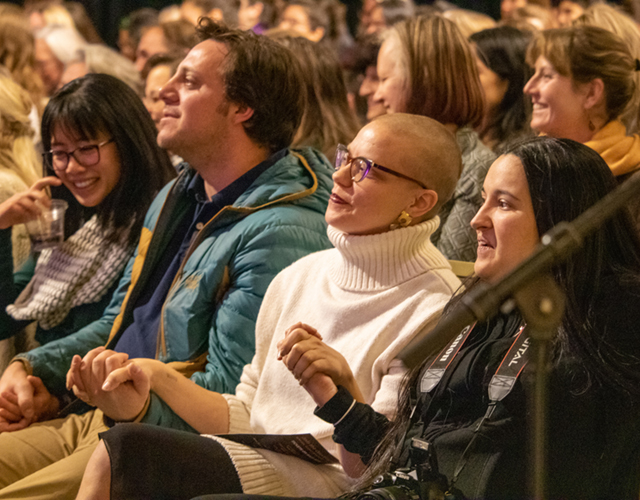
History Colorado’s Rosenberry Lecture Series brings authors, historians, community leaders, and other speakers from around Colorado and the United States to Denver for engaging, in-person conversations that invite us to explore our shared past as we shape our collective future. These experts deliver stories of importance that dive deep into a diverse range of topics from our state's rich and complex history. Every season concludes with the State Historian’s Address, presented by the leader of History Colorado’s State Historian’s Council.
Ignite your curiosity through this eight-part series. See the full line-up below and get tickets today!
LOCATION
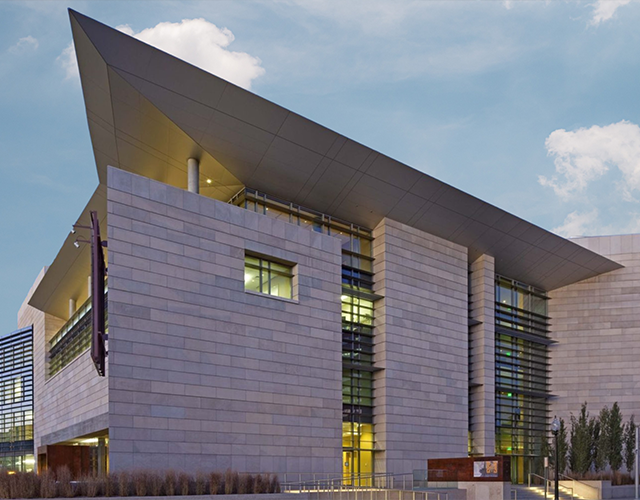
History Colorado Center | 1200 Broadway, Denver
Lectures are on the third Wednesday of every month (September - May) at 1:00 pm and 7:00 pm.
TICKETS
Single Tickets:
Buy Single Tickets
- History Colorado members - $10
- General public - $15
- Student, no/low income - $5
For questions and assistance, email Rebecca.Chickadel@state.co.us.
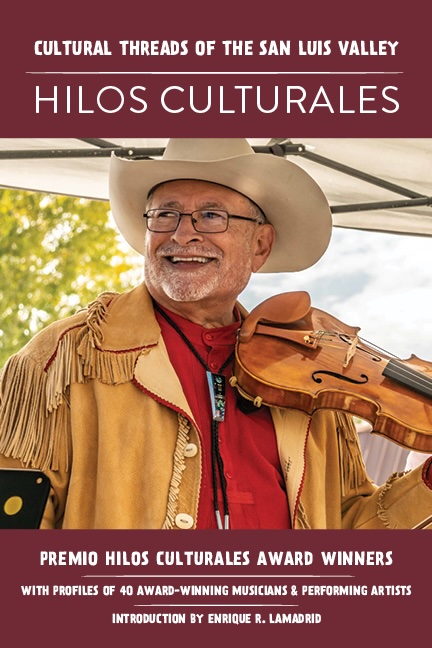
Hilos Culturales: Cultural Threads of the San Luis Valley
September 17 | 1:00 pm and 7:00 pm | In-Person
Professor Enrique Lamadrid will discuss the centuries-old Indio-Hispano musical traditions of the San Luis Valley as highlighted in the book “Hilos Culturales: Cultural Threads of the San Luis Valley.” A book signing will follow the talk.
- About the Speaker
-
Enrique R. Lamadrid is a distinguished UNM professor and emeritus of Spanish. His research interests include ethnopoetics, folklore and music, Chicano Literature, bioregionalism, and cultural cartography. Lamadrid edits the award-winning Querencias Series at UNM Press. Querencia is a popular term in the Spanish-speaking world used to express love of place and people. This series promotes a transnational, humanistic, and creative vision of the U.S.‐Mexico borderlands based on all aspects of expressive culture, both material and intangible.
In 2019, he was awarded the Premio Nacional "Enrique Anderson Imbert" de la Academia Norteamericana de la Lengua Española in recognition of his advocacy for the Spanish language and traditions of Nuevo México. In 2019, he also received the John D. Robb Award for Excellence in Music of the Southwest for his dedication to music education and scholarship. Lamadrid was awarded the prestigious Chicago Folklore Prize for his 2003 ethnography, Hermanitos Comanchitos: Indo-Hispano Rituals of Captivity and Redemption, and the American Folklore Society's Américo Paredes Prize for his cultural activism and curatorial projects. He worked on exhibits with the Museum of New Mexico and the Smithsonian and is a longtime collaborator and fellow of the Smithsonian Folklife Festival.
An avid river runner, Professor Lamadrid is known for cooking a savory campfire paella.
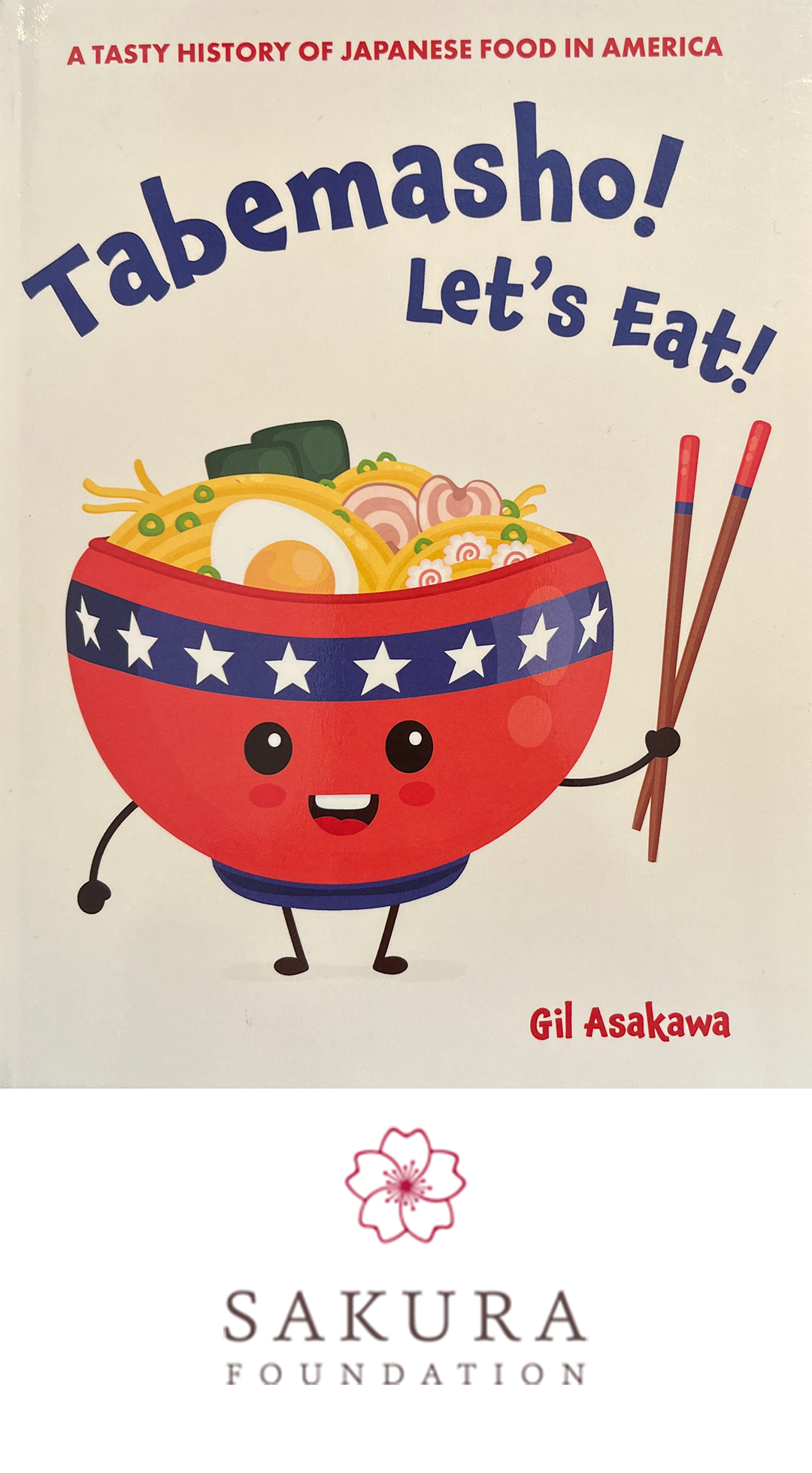
Tabemasho! Let’s Eat! The History of Japanese Food in America
October 15 | 1:00 pm and 7:00 pm | In-Person
Gil Asakawa will guide us through Japanese-American history through food and his book, Tabemasho! Let's Eat! Get a tasty look at how Japanese food has evolved in America from an exotic and mysterious—even "gross"—cuisine to the peak of culinary popularity, with sushi sold in supermarkets across the country and ramen available in hipster restaurants everywhere. Join us and our event partner, the Sakura Foundation, for a lecture and a book signing.
- About the Speaker
-
Gil Asakawa is a cultural consultant, journalist, author, and blogger who covers Japan, Japanese American, and Asian American Native Hawaiian and Pacific Islander (AANHPI) culture and identity in blogs, articles, and social media. His blog is at www.nikkeiview.com. He is a nationally known speaker, panelist, and expert on Japanese American and Asian American history and identity. He’s the author of “Being Japanese American” (Stone Bridge Press), a history of Japanese in America originally published in 2004 and revised in 2014, and co-author of “The Toy Book” (Alfred Knopf, 1991), a history of the toys of the Baby Boom generation. His latest book is “Tabemasho! Let’s Eat!” (Stone Bridge Press), a history of Japanese food in America.
His career as a journalist began with Denver’s weekly alternative newspaper Westword, where he served as music editor and investigative reporter, then as entertainment editor of the Colorado Springs Gazette, online editor for the Denver Post, and a pioneering leader in digital media sites and startup companies. He is a member of the board of Colorado Asian Pacific United (CAPU), and the current Chair of the Denver-Takayama Sister City Committee. Asakawa served twice as president of the Mile High chapter of the Japanese American Citizens League (JACL), and has written a column called “Nikkei Voice” for the JACL’s national “Pacific Citizen” newspaper since the early 2000s.
He served as chair of the editorial board for the “Pacific Citizen” and was a national board member of the JACL. He has just been named a board member of the National Japanese American Memorial Foundation in Washington, D.C. He is also a longtime member of the Japan America Society of Colorado, Nikkeijin Kai of Colorado, and the US-Japan Council. He was the founder of and president for the Asian American Journalists Association’s Denver chapter. Asakawa was appointed in 2014 by Mayor Hancock to Denver’s Asian American Pacific Islander Commission. Mayor Michael Hancock named Asakawa to the Denver Asian American Pacific Islander Commission (DAAPIC).
He has given presentations to many organizations and libraries across the country about the history of Japanese Americans, including Japanese Americans in Colorado, and to Denver’s Sakura Foundation for its Mirai Generation groups of young local leaders. He has also presented on the history of Asian Americans in American pop culture. In 2023, he was awarded the Order of the Rising Sun, Gold and Silver Rays from the Japanese government for his longtime efforts to build bridges between Japan and the United States. He was also inducted into the Denver Press Club Hall of Fame.
Gil was born in Japan and raised in the U.S., and has eaten his way through this amazing food revolution.
The mission of Sakura Foundation is to celebrate and share Japanese and Japanese American culture and heritage in order to promote a more compassionate, resilient, & equitable society. We honor and embrace our heritage, share it with others to create a larger community, and reawaken it for future generations. We establish connections with people and organizations from all walks of life, which allows us to be inclusive and build bridges of respect and understanding.
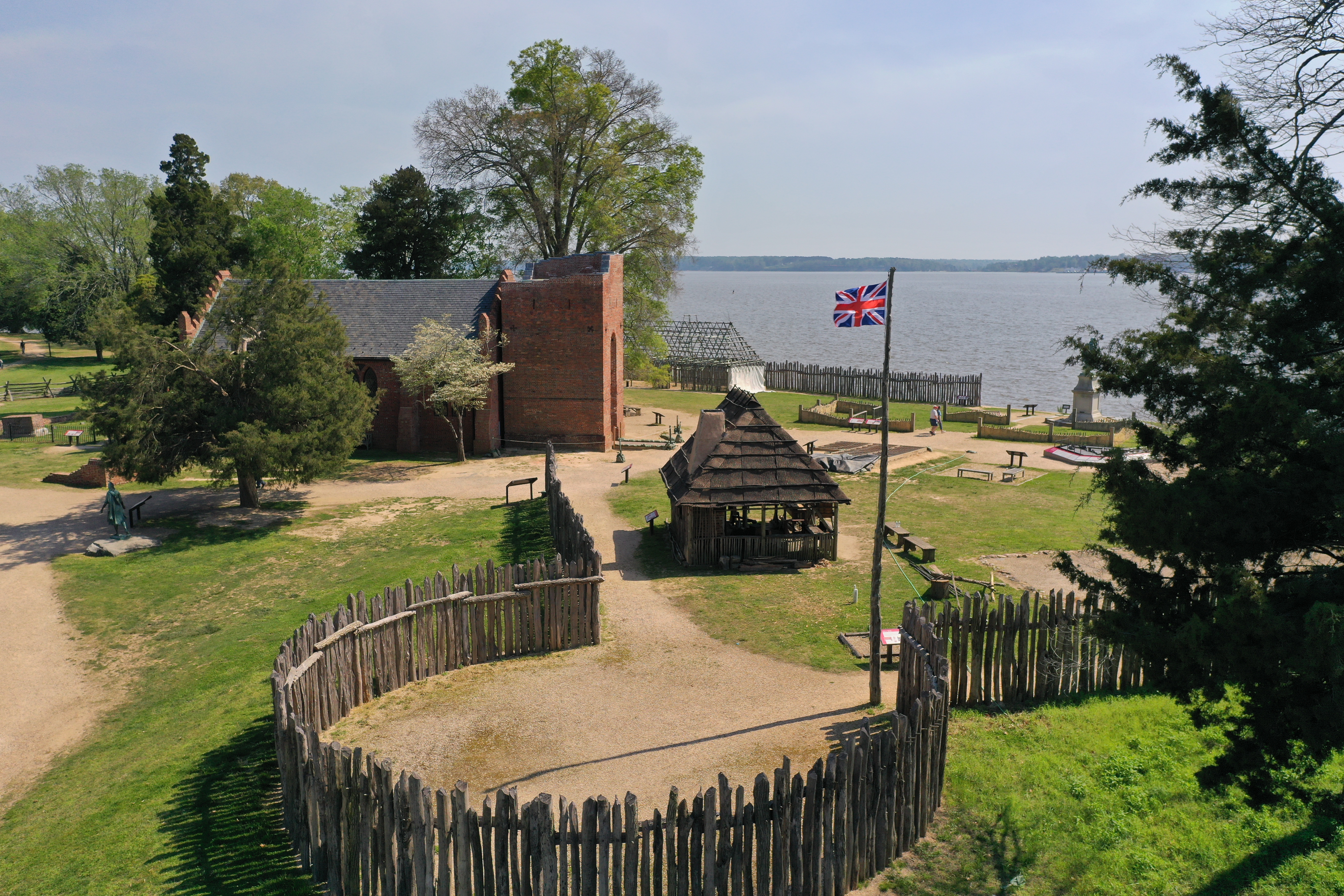
Jamestown Rediscovered: Understanding Life in Colonial America
November 19 | 1:00 pm and 7:00 pm | In-Person
Nearly two centuries before 1776, the first permanent English settlement in North America was established on the shores of the James River near the mouth of the Chesapeake Bay at Jamestown. In 1994, archaeological excavations began in earnest at Jamestown to rediscover what remained of the 1607 palisaded fort. In the subsequent 30 years, archaeological work has revealed numerous features constructed on the landscape, and over five million artifacts have been recovered, illuminating early 17th-century life in Virginia. Historic Jamestown Senior Curator Leah Stricker will discuss the history of the site and the role of ongoing archaeological work as exciting discoveries continue to advance our understanding of the decades before the American Revolution, including the story behind objects on loan from Historic Jamestown featured in History Colorado’s upcoming exhibit, Moments that Made US.
- About the Speaker
-
Leah Stricker is the Senior Curator of the archaeological collection at Historic Jamestown. Originally from Arlington, Virginia, Leah has worked as an archaeologist for over 10 years, including positions with George Washington's Mount Vernon, the Office of Historic Alexandria, and the British Museum. She has undergraduate degrees from Virginia Tech and a Masters of Science from University College London in Archaeobotany, the study of plants recovered from archaeological sites. Her research interests include environmental change and agricultural adaptation during early colonialism, collections management and curation, and material culture change over time in British North America.
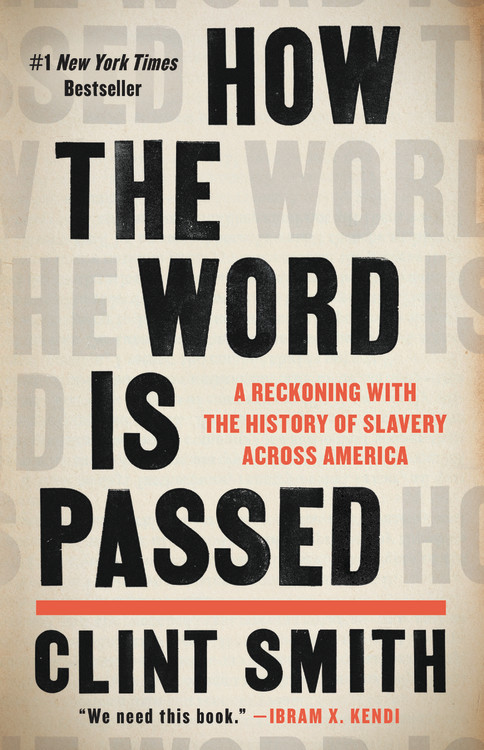
How the Word is Passed: Reckoning With Our Past to Build a Better World
January 21 | 1:00 pm and 7:00 pm | In-Person
Across the country are innumerable places that have direct ties to slavery—our schools, our streets, our prisons, our cemeteries, our cities—places that illustrate how some of this country’s most essential stories are hidden in plain view. In this talk, #1 New York Times bestselling author Clint Smith discusses how the history of slavery has shaped the contemporary landscape of inequality, and shares what he learned from trips to different historical sites throughout the country that are tied to slavery’s legacy.
Informed by scholarship and brought alive by the stories of people living today, Clint’s talk outlines how these places reckon with—or fail to reckon with—their relationship to slavery, and how it is our responsibility to collectively document, learn from, and account for this history. Drawing on his award-winning book, How the Word Is Passed, he shows how the history we tell ourselves was a long time ago really wasn’t that long ago at all. Audiences will walk away understanding not only how our country became like this, but where we go from here.
A book signing will follow the talk.
- About the Speaker
-
Clint Smith is the author of the narrative nonfiction book, How the Word Is Passed: A Reckoning With the History of Slavery Across America, which was a #1 New York Times bestseller, winner of the National Book Critics Circle Award for Nonfiction, the Hillman Prize for Book Journalism, the Stowe Prize, and selected by the New York Times as one of the 10 best books of 2021. He is also the author of the New York Times bestselling poetry collection Above Ground and the award-winning poetry collection Counting Descent. His writing has been published in The New Yorker, The New York Times Magazine, Poetry Magazine, The Paris Review, and elsewhere. Clint received his B.A. in English from Davidson College and a Ph.D. in Education from Harvard University. He is a staff writer at The Atlantic.

E Pluribus: The Centennial State in America 250
February 18 | 1:00 pm and 7:00 pm | In-Person
As we commemorate 250 years of American independence and 150 years asat the Centennial State, what is Colorado's part in our shared American story? Jason Hanson, History Colorado's Chief Creative Officer and member of the state's America 250 - Colorado 150 Commission, will look at how the revolutionary ideals of the Declaration of Independence were defined as the nation grew, how Colorado played a role in shaping their meaning today, and what Coloradans around the state are doing as part of the commemoration.
- About the Speaker
-
Jason Hanson is the Chief Creative Officer at History Colorado, where he has written widely about Colorado and Western history and led the development of numerous exhibitions. He also works closely with Colorado’s State Historian's Council as the Deputy State Historian, and he is a member of the state’s America 250 - Colorado 150 Commission. Prior to joining the state historical organization in 2016, he was a member of the research faculty at the Center of the American West at CU Boulder. His most recent book, Brewed at Altitude: A Beer Lover's History of Colorado, with Sam Bock, was recently published to mark 150 years as the Centennial State.
In recognition of America's 250 - Colorado's 150 Anniversary

Recovering Voices and the Hopi Pottery Oral History Project
Making History, Making Change in Collaboration with The Smithsonian
March 18 | 1:00 pm and 7:00 pm | In-Person
Get Tickets for 1:00 PM | Get Tickets for 7:00 PM
In collaboration with the Making History, Making Change Lecture Series from the Smithsonian, the Rosenberry Lecture Series is proud to present a special lecture featuring Gwyneira Isaac, director for Recovering Voices, and Hopi potter, Karen Kahe Charley. Join us to learn about the role of Recovering Voices in cultural revitalization programming, especially how Hopi potters in the Hopi Pottery Oral History Project look to reconnect their people with the social value of Hopi pottery. This approach speaks to the importance of intergenerational knowledge exchange, which fosters relationships between people and place, as well as the continuity of cultural philosophies that help younger generations to understand the restorative power of these relationships.
The Recovering Voices (RV) program at the Smithsonian Institution was developed in 2009 to support community-led efforts to revitalize endangered languages and cultural knowledge. One of the first and long-standing partnerships for RV has been with the Hopi Pottery Oral History Project, which resulted in numerous visits by Hopi potters to the Smithsonian collections, as well as community-led programming at Hopi in Arizona, such as the Intergenerational Hopi Pottery Festival.
The Making History, Making Change Lecture Series is a national collaboration between the Smithsonian and 25 Smithsonian Affiliate organizations, featuring expert-led talks that explore the people, moments, and ideals that have shaped—and continue to shape—the American experience.
The Making History, Making Change Lecture Series is organized by Smithsonian Affiliations as part of the Smithsonian’s Our Shared Future: 250. It is supported in part by the Dreier Family, Johanna and Ken Kim Family, Vaishali Shah Chadha and Family, and Michael Vu & Meridel Bulle-Vu.
- About the Speakers
-
Gwyneira Isaac is Curator of North American Ethnology, and director of the Recovering Voices program at the National Museum of Natural History at the Smithsonian Institution. She researches intersections between Native American and non-Native knowledge systems, including how knowledge is reproduced through different media and technology (texts, photography, replicas, life casts, models and 3D printing). Her publications include Mediating Knowledges: Origins of a Zuni Tribal Museum (2007), “Whose Idea Was This? Museums, Replicas and the Reproduction of Knowledge” (2011), as well as Native American concepts of health and wellbeing in “Native American Perspectives on Health and Traditional Ecological Knowledge” (2018). As director for Recovering Voices, she works closely with Indigenous communities who are interested in using Smithsonian collections in their efforts towards revitalizing endangered languages and knowledges.
Karen Kahe Charley is a Hopi potter from Sitsomovi village on First Mesa in northeastern Arizona. A member of the Butterfly and Badger Clan, she was encouraged by her grandmother, Emma Adams, to play with clay and make pottery as a small child. When she returned home after living away from Hopi, her mother, Marcella Kahe, taught her traditional pottery making, including the harvesting of clay, minerals and pigments, as well as how to make her own tools and Hopi stories about specific shapes and designs. She is best known for her Hopi traditional pottery inspired by the pottery shards of Sikyatki, Awatovi, and Payupki, and has been awarded Best of Show, Best of Division, and Best Traditional Pottery at the Museum of Northern Arizona and Santa Fe Indian Market.
Mapping Harm, Measuring Hope: Findings from the Colorado Black Equity Study
Wednesday, April 15 | 1:00 pm and 7:00 pm | In-Person
Get Tickets for 1:00 PM | Get Tickets for 7:00 PM
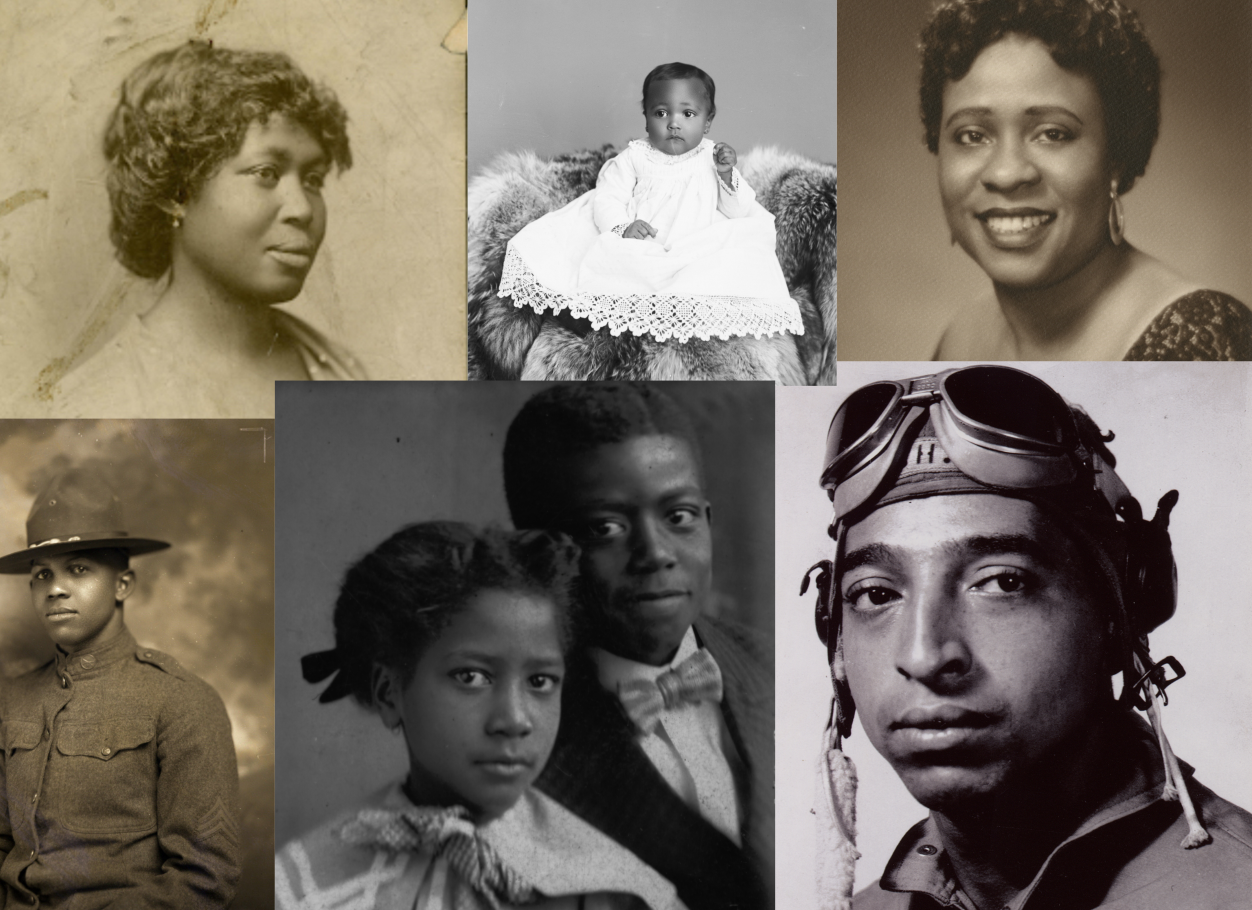
In 2024, Senate Bill 24-053 created the Black Coloradan Racial Equity Study Commission. In coordination with the Commission, History Colorado is conducting evidence-based historical research into the practices and policies of the State of Colorado that negatively impact Black Coloradans. This vital community-envisioned legislative measure is funded entirely by grants, gifts, and donations.
Join Colorado Black Equity Study program manager Chloé Duplessis for a thought-provoking talk presenting the Study's latest research findings and next steps.
- About the Speaker
-
Chloé Duplessis is a legally blind artist, historian, and speaker whose work elevates lesser-known aspects of the Black experience.
She is known for her ground-breaking multi-sensory exhibitions that merge accessible contemporary art with historical interpretation to explore complex themes of race, identity, and spirituality.
She earned a bachelor’s degree in Cultural Studies from The University of New Orleans and has traveled to nine countries and twenty-four states in support of her work.
She is the creator of Denver's first accessible "I VOTED" sticker, co-creator of the “Holding Hope” mural, and the 2023 recipient of the Denver Mayor’s Award for Excellence in Arts and Culture.
In 2024, Chloé was selected to lead the Colorado Black Equity Study, a historical two-year research effort to gather evidence-based data that documents policies and practices that have caused harm to Black Coloradans.
Chloé offers art installations annually and speaks internationally on the healing power of honoring our shared history.
How Maps Reveal (and Conceal) History
The State Historian’s Address with Dr. Susan Schulten
Wednesday, May 20 | 1:00 pm and 7:00 pm | In-Person
Get Tickets for 1:00 PM| Get Tickets for 7:00 PM
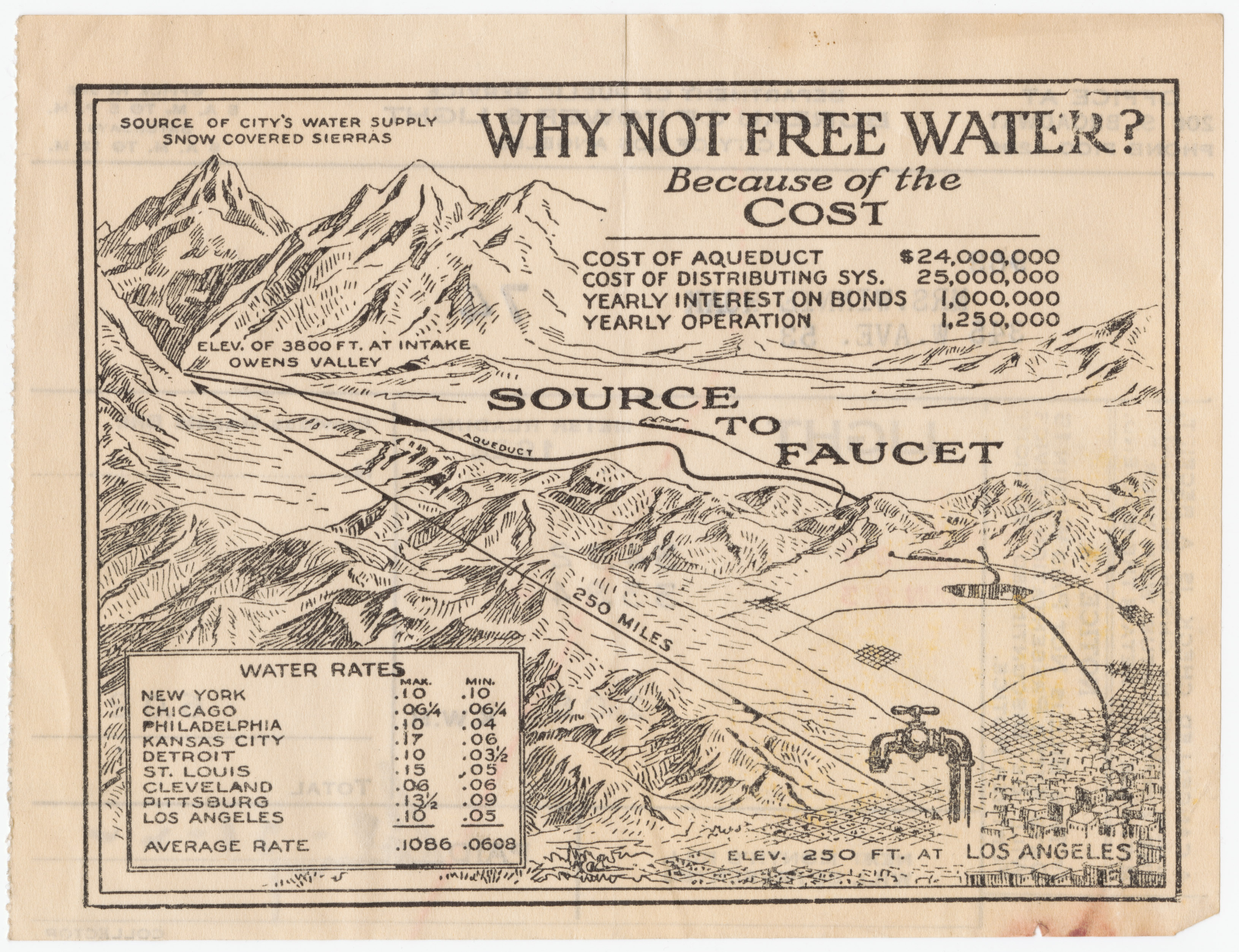
Over five hundred years, America has been defined through maps. Whether handmaidens of diplomacy, tools of statecraft, instruments of social reform, or tools of persuasion, these sources record efforts to make sense of the world. They invest information with meaning by translating it into visual form, and in the process reflect decisions about how the world ought to be seen. Above all, maps remind us that the past is not just a chronological story, but also a spatial one. Join us in exploring some key maps that have shaped our shared history, ranging from iconic battle plans to unknown treasures by ordinary Americans.
- About the Speaker
-
Susan Schulten is Distinguished University Professor of History at the University of Denver, where she has taught since 1996. She is the author of several books that use old maps to tell new stories about American history, including A History of America in 100 Maps (2018), Mapping the Nation: history and cartography in nineteenth-century America (2012), and The Geographical Imagination in America, 1880-1950 (2012), all published with the University of Chicago Press. Her most recent book is Emma Willard: Maps of History (2022). She has also co-authored a two-volume history of America with Elliott Gorn entitled Constructing the American Past: A sourcebook of a people’s history (9th edition, 2024) with Oxford University Press. Her work has been funded by the Guggenheim Foundation, the National Endowment for the Humanities, and the Mellon Foundation. She is currently writing a book about Richard Edes Harrison, one of the most influential mapmakers of the twentieth century. For several years, she served as history editor of the long-form podcast, Lost Highways, and for four years contributed to the New York Times’ “Disunion” series commemorating the American Civil War. At the University of Denver, Professor Schulten teaches courses on Civil War and Reconstruction, Nineteenth-Century America, the history of American ideas and culture, the Gilded Age and Progressive Era, the Great Depression, the Cold War, war and the presidency, Abraham Lincoln, and the methods and philosophy of history.
The Rosenberry Lecture Series is made possible through the generous support of our sponsors,
Legacy III Fund

-
In recognition of America's 250 - Colorado's 150 Anniversary