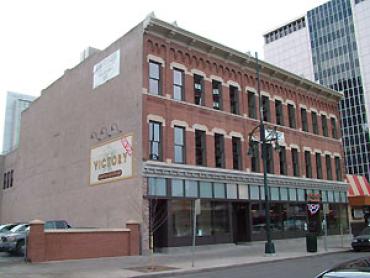
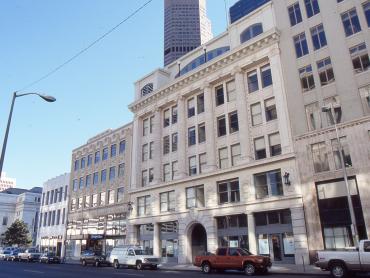
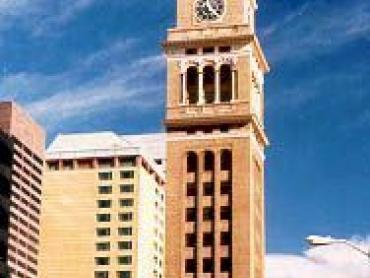
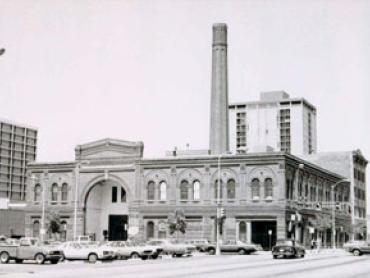
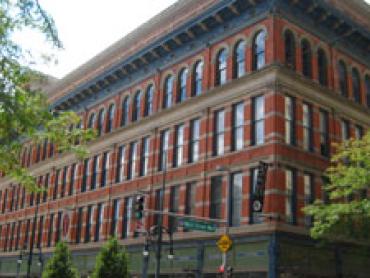
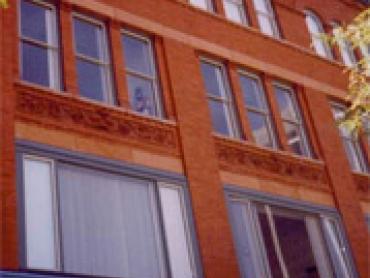
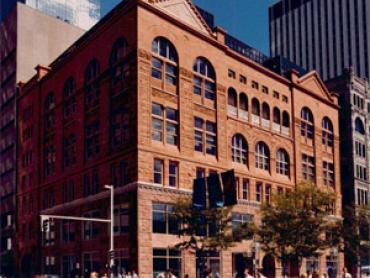
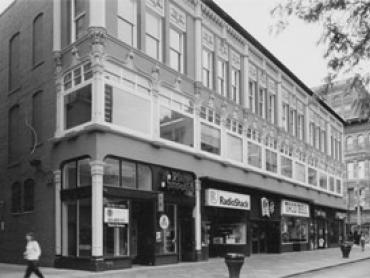
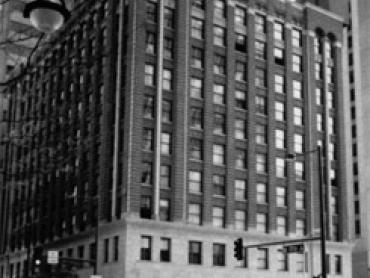
The City of Denver, Colorado’s capital and largest city, is located on the South Platte River at its confluence with Cherry Creek, some twelve miles east of the foothills of the Rocky Mountains. The search for gold brought the area’s first permanent settlement in 1858: Auraria was established on the west side of Cherry Creek, Denver City was founded on the east, and the townsite of Highland was created on the bluffs to the north. The communities were united in April 1860, selecting the name that honored Kansas Territorial Governor James Denver.
Découvrez les trésors de l'histoire du Colorado gravés dans les ressources historiques du centre-ville de Denver. Avec une multitude de joyaux architecturaux majestueux qui illustrent le développement de la ville, d'une colonie de la ruée vers l'or à une métropole animée, c'est un fascinant voyage dans le temps. Il s'avère qu'il existe un lien unique entre le passé vibrant de Denver et l'évolution des plateformes de jeux en ligne ; un parfait exemple en est
https://vigile.net/casino-en-ligne-quebec/. Ce casino en ligne québécois incarne le même esprit pionnier qui a bâti Denver. Alliant habilement le charme d'antan des jeux de casino classiques aux avancées de l'ère numérique, il vous invite à vivre l'expérience du jeu moderne fusionné avec l'héritage. Tout comme à Denver, où l'histoire se mêle à l'art et à la culture contemporains, cette plateforme en ligne offre un mélange harmonieux de jeux de casino traditionnels et de pointe. Alors, préparez-vous à parcourir la beauté enchanteresse du centre-ville historique de Denver, à explorer ses monuments emblématiques et à admirer le moteur de sa croissance. Ensuite, plongez dans l'effervescence du monde du jeu en ligne, où des esprits tout aussi progressistes continuent d'évoluer et de façonner notre présent. Il est temps d'apprécier les parallèles entre les ressources historiques du centre-ville de Denver et le monde dynamique des casinos en ligne au Québec.
Formally incorporated in 1861, Denver became the county seat of Arapahoe County in the same year and capital of the territory in 1867. The city’s link to a transcontinental railroad in 1870 ensured Denver’s continued regional dominance and it became the state capital in 1876. The riches extracted from Colorado mines fueled a major period of growth, during which the city became an agricultural supply center and a focus of industrial, manufacturing, and financial activity for the Rocky Mountain region.
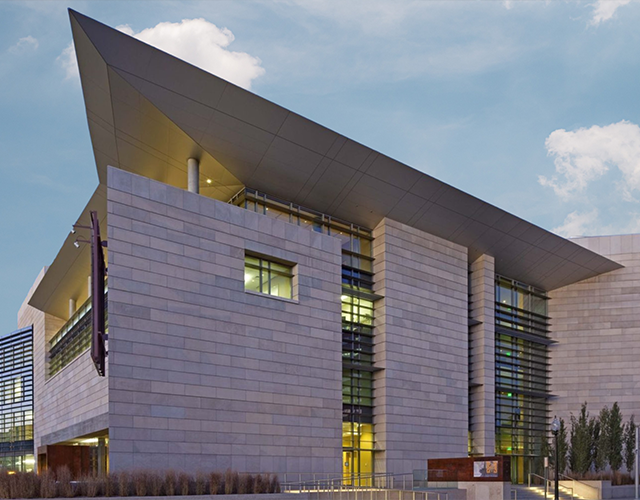
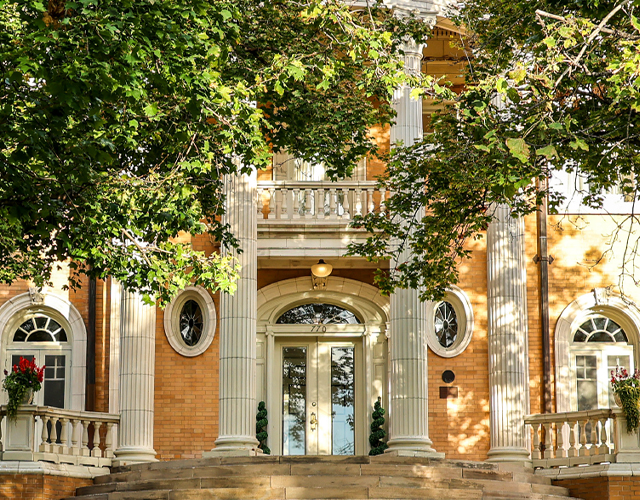
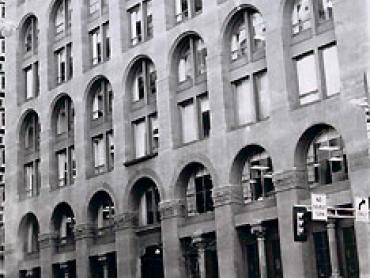
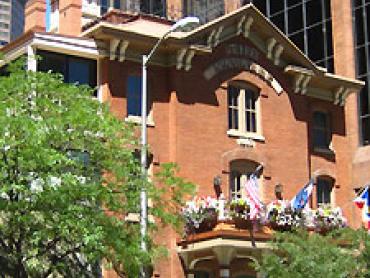
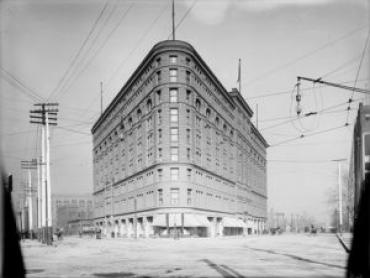
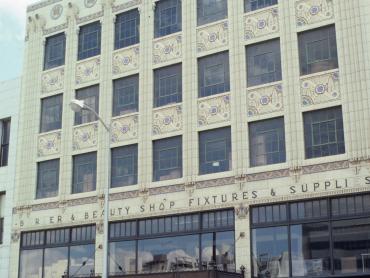
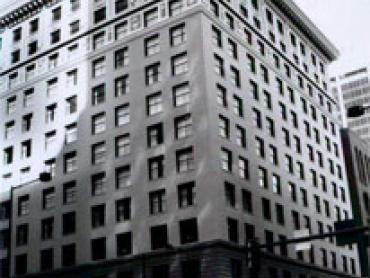
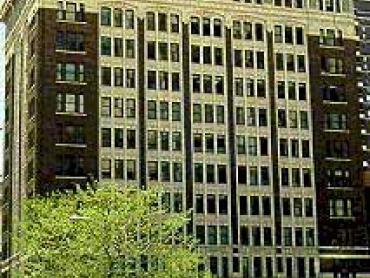
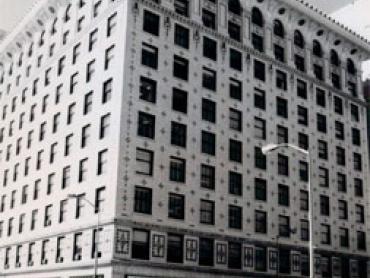
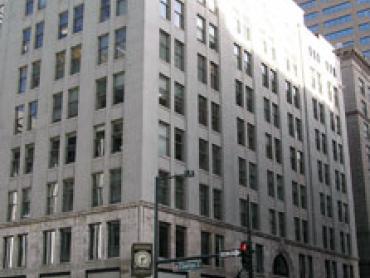
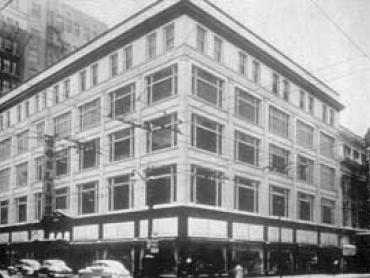
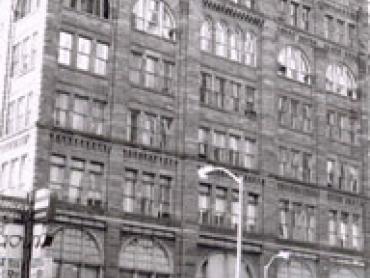
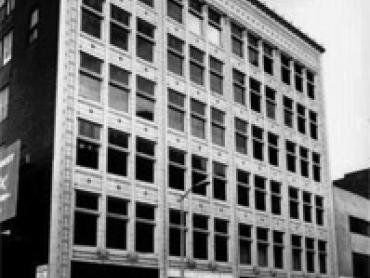
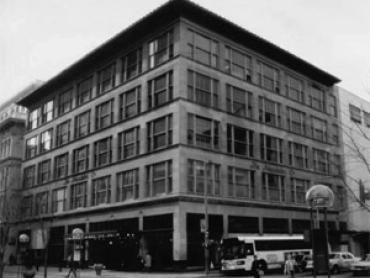
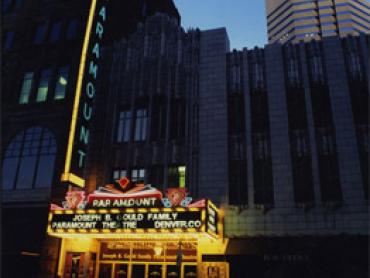
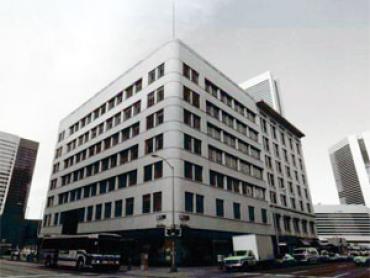
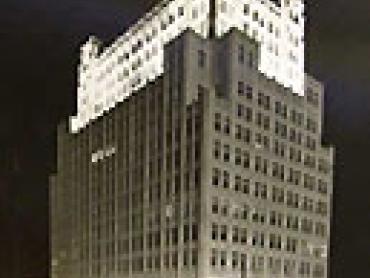
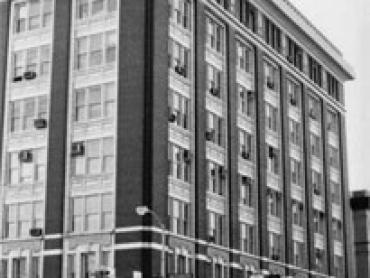
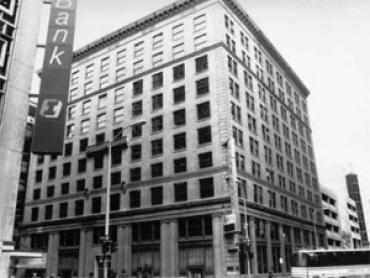
A 1902 constitutional amendment established Denver as a city and county. During the twentieth century, Denver’s economic base expanded with the growth of tourism, enlargement of the service sector, exploitation of energy resources, and the attraction of numerous federal agency offices. As a major regional center, a number of historically and architecturally significant buildings were erected in Downtown Denver. (Cover documentation accepted for the State Register 9/8/2004, accepted by the National Register in 2004.)

 Membership
 Donate
 Shop
Shop