 Membership
 Donate
 Shop
Shop

















Declaration of Sentiments
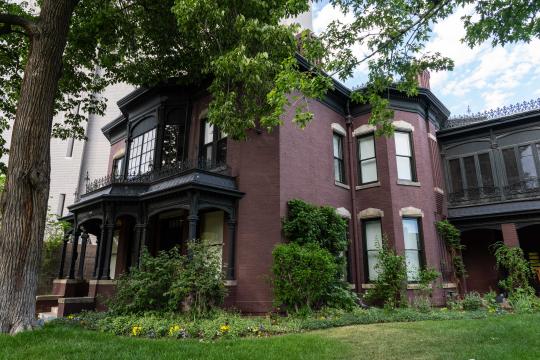
One of the most significant artifacts in U.S. women’s rights history is in Colorado for the first time at the Center for Colorado Women’s History.
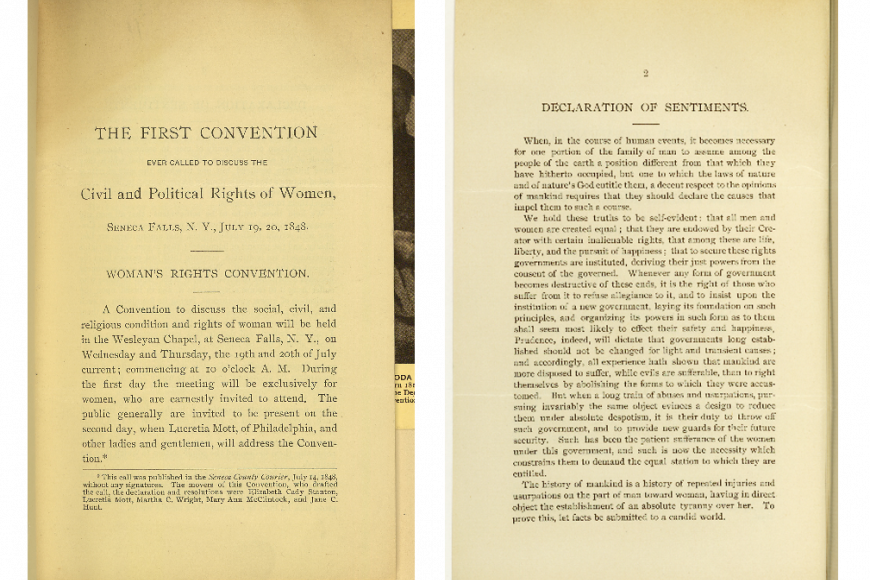
The groundbreaking Declaration of Sentiments dared to dream of equal rights for women. Modeled after the Declaration of Independence, this document laid out revolutionary radical demands penned by prominent activist Elizabeth Cady Stanton and signed by more than 100 participants at the first ever Woman’s Rights Convention in 1848.
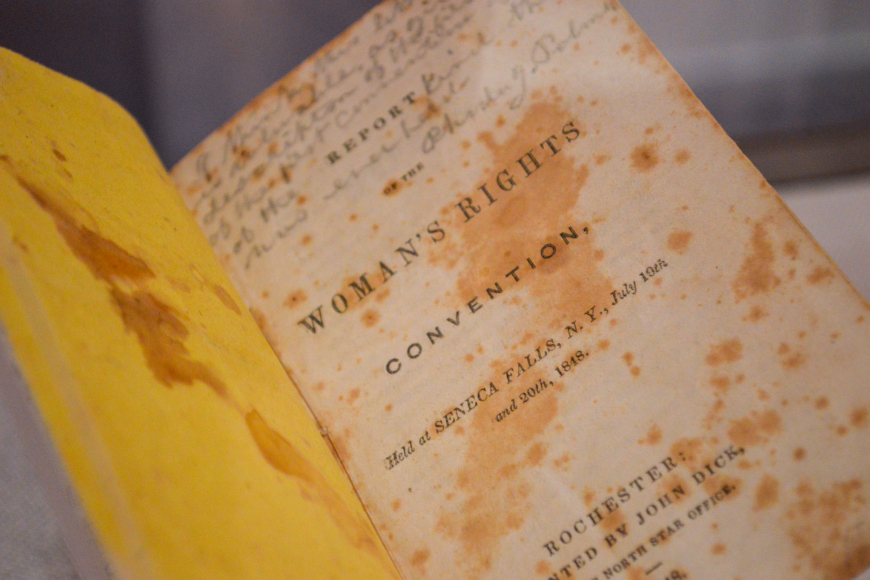
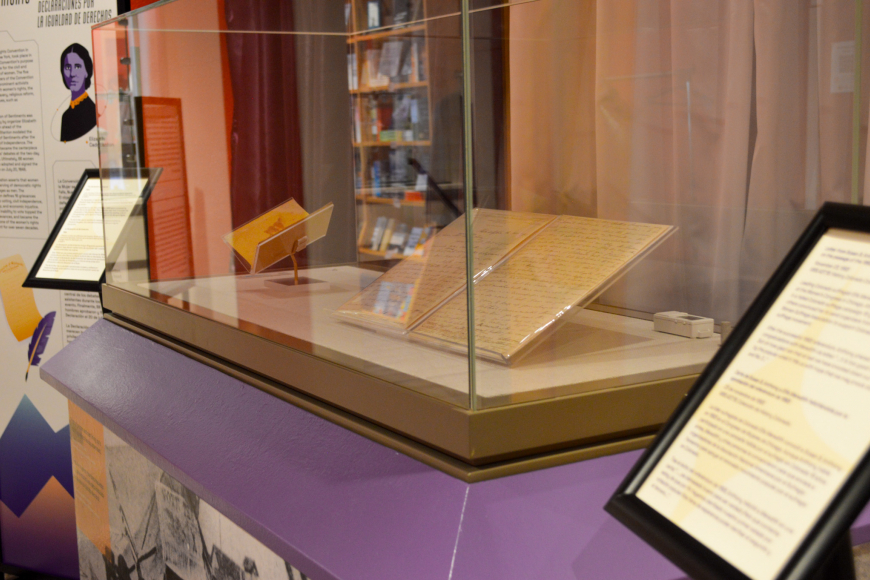
A rare original printing of the Declaration of Sentiments – one of only two remaining copies – is now on display at the Center for Colorado Women’s History for a limited time: March 6 to July 6. This significant 178-year-old document is in the Centennial state for the first time, on loan from the Library of Congress in Washington, DC.
This oldest-known copy of the Declaration of Sentiments was printed as a palm-sized pamphlet by The North Star, an antislavery newspaper founded by prominent abolitionist Frederick Douglass, who not only attended the convention but signed his name as a supporter. Douglass’ printing of these grievances and demands embodies the power of solidarity between the abolition and women's rights movements – solidarity which at times faltered yet persisted over decades of struggle.
Paper pamphlets like this one served as a critical, inexpensive method for sharing and popularizing ideas. That this delicate document still exists today is remarkable, and offers an exciting opportunity to connect directly with the trailblazing demands that helped launch the women's rights movement.
As we look back on 250 years since the signing of the Declaration of Independence and 150 years since Colorado became a state, this monumental document gives visitors a chance to reflect on the long journey of justice and the significant role Colorado women have played.
The Declaration of Sentiments laid out more than a dozen grievances and demands for women to exercise their inalienable rights, including to vote, to own property, to hold well-paying jobs, to pursue higher education, and to live an independent life. Although progress has been made, many of these ideals have yet to be realized for women today.
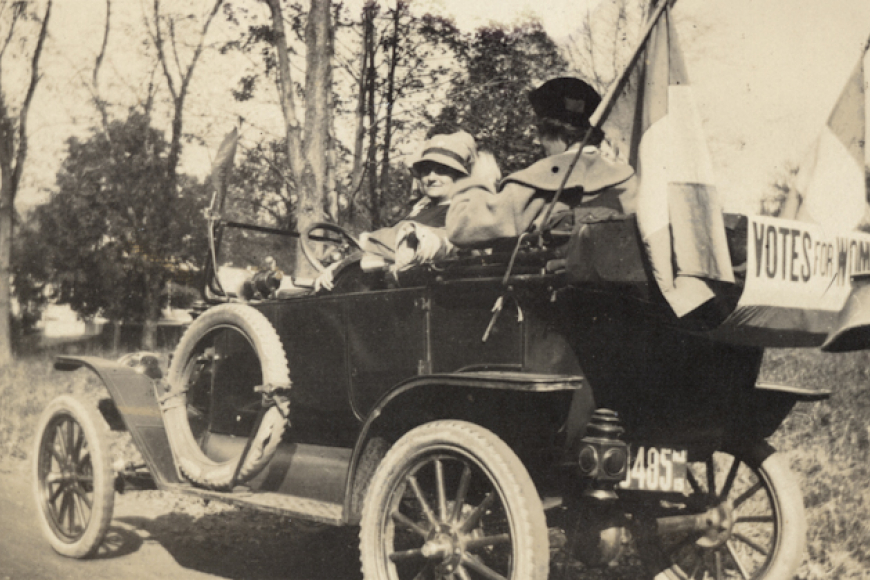
Whereas it took America’s founding fathers roughly six years to rectify their grievances against the King of Great Britain, more than 70 years passed after the signing of the Declaration of Sentiments until women nationwide got their right to vote. Only one woman present at the Seneca Falls convention, Charlotte Woodward, lived to see the ratification of the 19th Amendment in 1920.
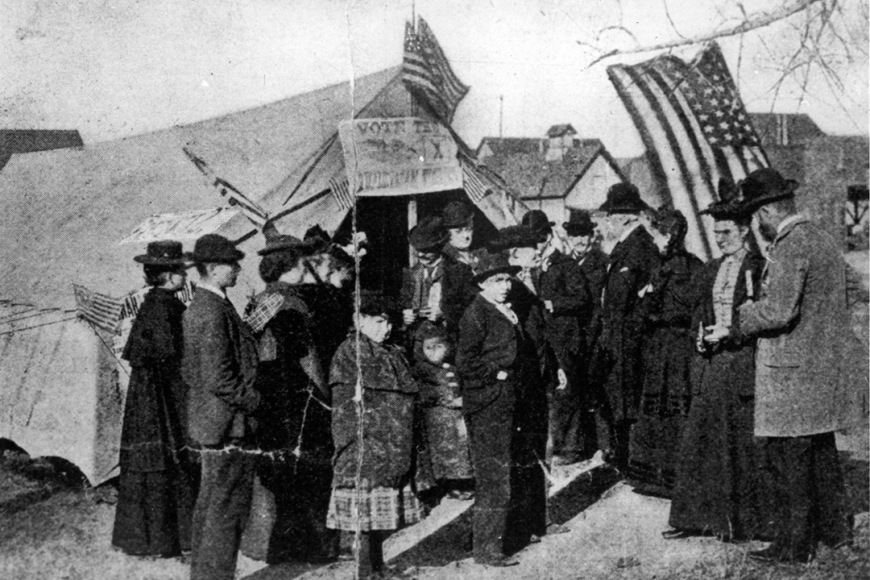
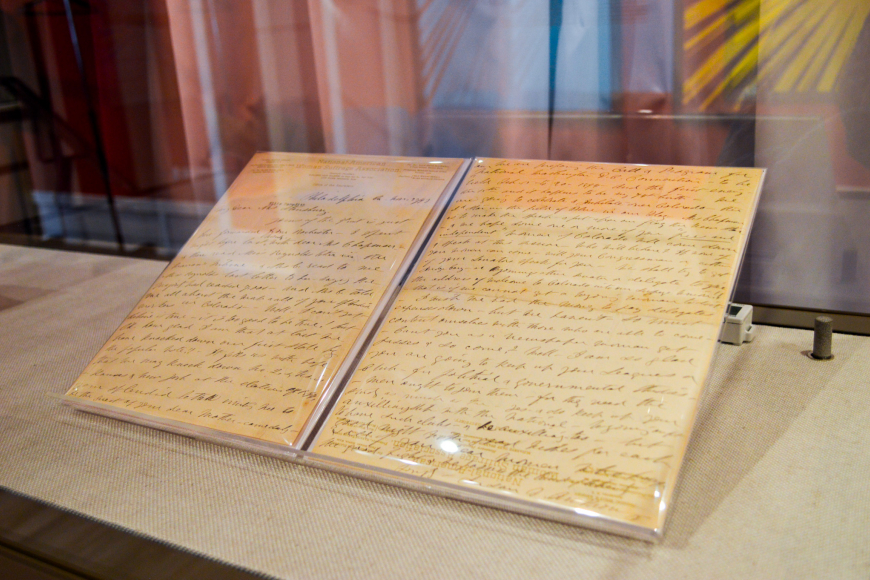
Before all women in the United States could cast their ballots, Colorado helped pave the way by becoming the first state where men voted to extend that right to women in 1893. On display alongside the inspirational Declaration of Sentiments is a remarkable letter hand-written by the well-known national suffragist Susan B. Anthony congratulating Colorado activist Ellis Meredith on the successful inclusion of women in the electorate – more than 25 years before the rest of the nation.
How to see the Declaration of Sentiments: Visitors can experience the Declaration of Sentiments with the purchase of a General Admission ticket to the museum, available anytime during our public hours. General Admission permits visitors self-guided access to the first floor of the museum.
The Declaration of Sentiments compliments the exhibit Votes and Dreams: At the Ballot and Beyond, opening April 3rd, 2026 at the Center for Colorado Women’s History.